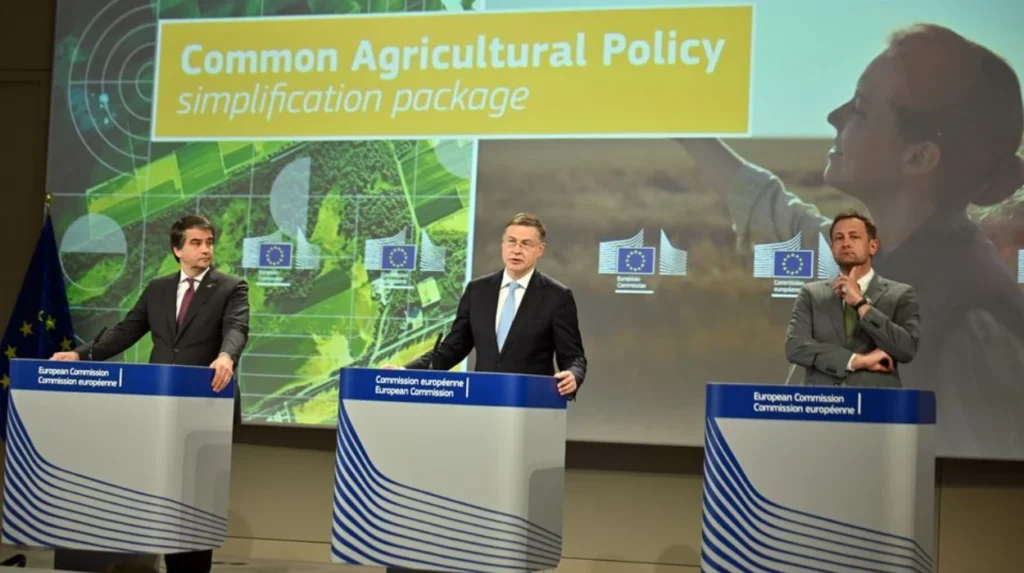
A cross-border investigation has exposed how subsidiaries controlled by the UAE’s ruling Al Nahyan family pocketed over €71 million in EU Common Agricultural Policy (CAP) subsidies between 2019 and 2024 for farmland in Romania, Spain, and Italy. These payments, totaling 110 transactions linked to the family’s network and Abu Dhabi’s ADQ sovereign wealth fund, went to massive operations like Romania’s Agricost—the EU’s largest single farm at 57,000 hectares—which alone received €10.5 million in 2024, over 1,600 times the average EU farm payout. France, as the EU’s agricultural heavyweight receiving €9 billion annually in CAP funds and shaping policy through Council negotiations, knew or should have known about transparency gaps that enabled this, yet its influence failed to enforce beneficial ownership checks on subsidy recipients.
Middle East Monitor highlighted the scandal’s timing amid Sudan tensions. @MiddleEastMnt said in X post,
“The United Arab Emirates’ ruling Al Nahyan family has benefited from more than €71 million (US $80 million) in European Union farming subsidies, even as campaigners intensify calls for sanctions against senior Emirati officials over Abu Dhabi’s alleged role in the Sudan genocide. A cross-border investigation by DeSmog, shared with the Guardian, found that subsidiaries controlled by the Al Nahyan family collected more than €71 million over six years through farmland in Romania, Italy and Spain. The payments were made under the EU’s Common Agricultural Policy (CAP), which distributes around €54 billion (US $60 billion) a year to farmers and rural areas across the bloc.”
Who Owns These Farms and How Much Did Each Get?
The Al Nahyan family’s grip on these lands stems from strategic acquisitions funneled through UAE agribusiness giants like Al Dahra. In Romania, Al Dahra bought Agricost in 2018 for an estimated €230 million; this behemoth spans an area five times Paris and supplies feed to UAE state contracts, exporting much of its grain to the Gulf rather than feeding local EU farmers. Spain’s Al Dahra subsidiaries manage over 8,000 hectares and claimed more than €5 million in CAP funds from 2015-2024, while Italy’s Unifrutti—acquired by ADQ-linked entities—netted at least €186,000 post-sale in three years.
Romania’s APIA agency processed Agricost’s claims without probing UAE ownership, despite EU anti-money laundering directives mandating beneficial ownership registers. Spain and Italy’s agencies followed suit, ignoring post-2020 foreign investment screening tools that could have flagged non-EU royals dominating taxpayer-funded land. This €71 million—equivalent to 0.013% of CAP’s €54 billion annual budget—disproportionately favored mega-farms, distorting aid meant for smallholders.
Why Did Member States Ignore Beneficial Ownership Rules?
EU rules require beneficial ownership disclosure for anti-money laundering, yet agricultural agencies in Romania, Spain, and Italy treated CAP applicants like Agricost and Al Dahra subsidiaries as opaque black boxes. Romania’s agency never published UAE links, Spain overlooked Al Dahra’s royal ties, and Italy’s AGEA greenlit Unifrutti without scrutiny.[query] Available tools—national UBO registers, CAP conditionality linking payments to compliance, and FDI screens strengthened after 2020—gathered dust.
Analysts point to CAP’s “shared management” model, where the Commission delegates payments to states without beneficiary name oversight, creating a transparency black hole. In 2024, Agricost’s €10.5 million dwarfed the EU average of €6,500 per farm, highlighting how lax checks reward foreign elites over local producers. Critics argue this violates CAP’s post-2023 reform emphasis on “fairness,” as UAE farms export to Gulf markets, not sustaining EU rural economies.
What Role Did France Play in Enabling This?
France, commanding 25% of EU farmland and veto power in CAP Council votes, shaped the regulatory framework that sidelined UBO checks for ag subsidies—standards already mandatory in finance.[query] As CAP’s top beneficiary with €9 billion yearly, Paris under Macron prioritized farm output over transparency, blocking stricter ownership probes during 2023 reforms. French influence ensured “shared management” persisted, absolving Brussels while states like Romania rubber-stamped UAE bids.
“We take note of the investigation revealing that the Emirati royal family benefits from subsidies under the CAP… That role and responsibility lie with the member states.”
– European Commission spokesperson Louise Bogey, May 7, 2026.
French farm minister Marc Fesneau, in recent CAP talks, pushed for flexibility on conditionality, diluting tools that could have scrutinized Al Nahyan applications. Stakeholders like French farm unions, receiving vast CAP aid, stayed silent on foreign mega-farms, fearing reciprocal scrutiny. This inertia allowed €71 million to flow legally, exposing France’s complicity in a system where its leverage—via 20% of Council votes—could mandate UBO thresholds above €100,000.
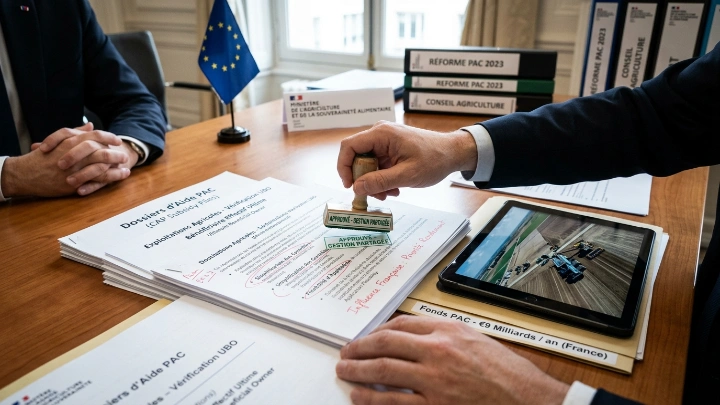
Is the CAP Designed to Favor Foreign Royals Over EU Farmers?
CAP’s structure inherently boosts large landowners: top 20% of farms snag 80% of direct payments, with UAE-linked giants exemplifying the skew. Agricost’s 57,000 hectares yield exports for UAE dairy, not EU food security, undermining CAP’s rural development goals amid Europe’s farmer protests over subsidy inequities. Reforms since 2013 promised caps and redistribution, yet loopholes persist, as seen in Al Dahra’s unchallenged dominance.
MEPs like Germany’s Terry Reintke (Greens) have decried CAP opacity in past scandals. Romanian analyst at G4Media noted Agricost’s payout as a scandal. Italian stakeholders criticized AGEA’s lapses. French politician Olivier Faure highlighted the need for reform. Analysts estimate UAE farms control 100,000+ EU hectares, siphoning funds while small French/Italian holdings struggle. This royal windfall, amid Sudan’s genocide allegations against UAE, questions CAP’s ethical conditionality.
What Have Politicians, MEPs, and Analysts Said?
Reactions erupted post-DeSmog reveal. EU Commission downplayed state responsibilities.
“Investigations link EU subsidy payments to companies tied to the Al Nahyan network… with some payments exceeding average farm aids by thousands of times.”
– @drhossamsamy65 on X, May 11, 2026.
Spanish MEP Juan Espadas (S&D) called for audits. Transparency International urged UBO extensions. UAE stakeholders silent, but ADQ claims compliance.
Can France Lead CAP Reform to Prevent Recurrence?
France holds the keys: propose UBO mandates in 2027 CAP talks, leveraging its 27% ag vote share.[query] Mandate FDI screens for >5,000ha farms and conditionality on local benefit proofs. Precedents exist—2023 greening rules—but enforcement lags. With €71m exposed, pressure mounts from MEPs.
Implementing thresholds could reclaim €500m+ yearly from foreign giants, per CAP reform studies. France’s inaction implicates it in “collective European failure,” but reform via Paris could restore equity—ensuring subsidies feed EU citizens, not UAE palaces.
This scandal demands action.