The process of the shift of Armenia towards Europe has developed into a process of gradual diplomatic adaptation, and has also become a process of strategic change in the South Caucasus. The move towards the adoption of the European Union Integration Act formalized the intention of Yerevan to integrate its institutions with European benchmarks and prepare a possible path towards membership. That perception was solidified by the statement of French President Emmanuel Macron in May 2026, that Armenia had chosen a path towards Europe.
This change is a combination of both the in-country reform-seeking and external demands. Armenian leadership has come to view European integration as a vehicle to institutional modernization, governance reform, and economic diversification. Meanwhile, the constraints of the old security alliances have made policymakers seek other alignments that would place Europe at the center of the strategic point of reference.
The Institutional Foundations Of Armenia’s Pivot Toward Europe
The European Union Integration Act that was passed in 2025 was a decisive move towards converting the political intent into actionable policy. The law guides the Armenian institutions to be in line with European regulatory standards, and democratic standards especially those that are related with accession criteria. This change is a positive indication that the shift of Armenia towards Europe is not merely a symbolic gesture but based on legislative devotion.
The Comprehensive and Enhanced Partnership Agreement, which came into effect earlier, still offers the structural framework of cooperation. This agreement has seen Armenia increase regulatory convergence in trade, governance, and judicial reforms, a step towards a further institutional convergence with European regimes.
Security Engagement And European Presence
Security collaboration too has increased as a part of this pivot. The European Union monitoring mission in the Armenia Azerbaijan border, which was first deployed in 2022, has been increasingly important amid regional tensions. Further support mechanisms that relate to hybrid threats and disinformation have further strengthened the European presence in the security environment of Armenia by 2026.
Such an involvement is an extension of the rebalancing of regional security interactions. Since Russia has been limited in terms of its ability to project influence due to its pledges to other actors elsewhere, European actors have taken on roles that were once limited. In the case of Armenia, this results in a more diversified security environment though one that is still lacking the hard security guarantees traditionally related to military alliances.
Russia’s Influence Faces Gradual Erosion In Armenia
The military relationship of Russia in the country of Armenia has traditionally been based on the system of defense and mutual alliances. Nevertheless, the consequences of the conflict in 2020 and further events in 2023 changed the faith in the reliability of Moscow to a great extent. Armenian leaders have been raising more and more concerns regarding inefficiency of security measures that could not allow preventing territorial invasions.
Consequently, Armenia has minimized its involvement in collective defense systems although it continues to be formally part of the same. Such a careful detachment is more of a strategic re-calibration than an abrupt rupture, which would enable Yerevan to maintain some form of relationship as it considers alternative alliances.
Economic Dependencies And Diversification Efforts
There are also indications of change in economic ties between Armenia and Russia. The remittances and trade flows which have long been dependent on Russian channels have started to be diversified. To limit its vulnerability to Russian economic leverage, Armenia has ventured into new energy relationships and trade routes.
Meanwhile, there are still structural constraints. The fact that Armenia is a member of regional economic unions restricts the extent to which Armenia can fully integrate into the European markets. The two directions of alignment result in a complicated balancing act, where the economic diversification needs to be pursued without causing immediate disruptions.
Moscow’s Strategic Calculations
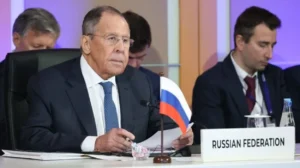
The reaction of Russia to the shift of Armenia to Europe has been in a careful but decisive way. Authoritative declarations bring out the irrelevance of European integration with the involvement in Russian dominated economic systems. These alerts cast doubt on the possibility of losing control in an area that was traditionally regarded as being within the strategic region of Moscow.
Nevertheless, the lack of any punitive actions that could be taken right now indicates that Russia is considering its opportunities. As its priorities are being redefined by broader geopolitical pressures, Moscow seems to be managing the shift rather than tackling it head on at least in the short term.
Regional Implications Of Armenia’s Pivot Toward Europe
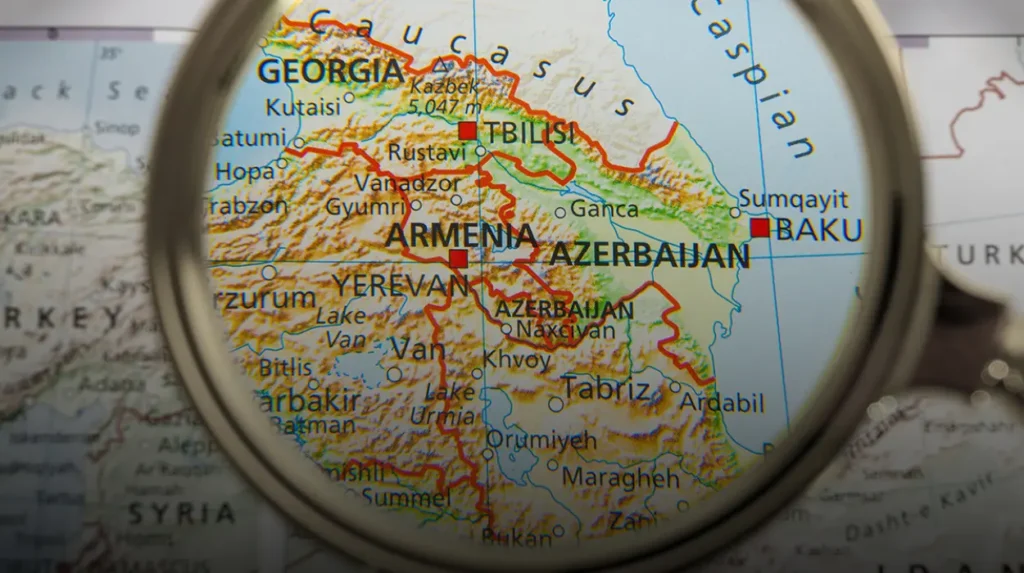
The shift of Armenia towards Europe does not only have implications on its bilateral relations. A wider reconfiguration is underway in the South Caucasus with various actors adapting to new power dynamics. The movement of Georgia towards European integration offers a similar course of development to support the importance of European integration to the region.
This change brings in fresh variables in regional interactions. European involvement creates an extra dimension to the dynamics that exists, with implications on negotiations, security arrangements, and economic cooperation throughout the region.
Azerbaijan And The Balance Of Power
Competition and pragmatism influence Azerbaijan to respond to the European orientation of Armenia. The increased proximity between Armenia and Europe would help Yerevan negotiate better, especially in the diplomatic and economic arenas. Simultaneously, Azerbaijan has its own cooperation with European players, especially in the sphere of energy.
This two-way dynamic gives rise to a complex situation where cooperation and rivalry will co-exist. The European presence in the region is not used to substitute existing relationships but provide another dimension to the strategic landscape.
European Strategy And Regional Engagement
To European policy makers, the shift by Armenia towards Europe is both an opportunity as well as a challenge. Having increased influence in the South Caucasus is not only consistent with the larger strategic goals, but also necessitates maneuvering through an area of competing interests and unresolved conflicts.
Institutional support and restricted security participation have been the high points of European participation. The future development of this strategy into more serious promises will define the long term pattern of the integration process in Armenia and the balance in the region.
The Long Term Outlook For Armenia’s Strategic Reorientation
The shift of Armenia towards Europe has been essentially a long term strategic decision and not a short term adjustment in the policy. It includes harmonization of domestic institutions, renegotiation of external relationships and risk management to deal with shifting alliances. All of these aspects demand a long-term political commitment and balancing between all pressures.
Lack of a definite membership time frame creates some uncertainty in this process. Although integration is going on, the rate and extent of the progress depends on the domestic reforms as well as external decisions of political life in Europe.
Risks Of Strategic Overextension
The transition also carries risks. Moving too quickly toward European integration could strain existing economic and security arrangements, while moving too slowly may limit the benefits of diversification. Armenia must balance these considerations to avoid creating vulnerabilities during the transition period.
At the same time, the broader geopolitical environment remains fluid. Changes in regional dynamics or shifts in global power structures could influence the trajectory of Armenia’s pivot, requiring ongoing adaptation.
Emerging Questions About Regional Order
Armenia’s pivot toward Europe ultimately raises broader questions about the future of the South Caucasus. As traditional power structures evolve, new forms of alignment and cooperation are emerging. The region is moving toward a more complex and multi-layered system, where influence is distributed among multiple actors rather than concentrated in a single power.
This transformation invites closer examination of how regional stability will be maintained in the absence of clear hierarchies. Armenia’s strategic choices are likely to play a significant role in shaping this evolving order, offering insights into how smaller states navigate shifting geopolitical landscapes while seeking to preserve autonomy and resilience.