France’s latest interception of a sanctioned ship involved in moving oil to Russia signals the start of a new era in Europe’s attempts to cut off Moscow from revenue generated by its war efforts, and also highlights the point at which the European enforcement action can be extended before crossing the line of outright hostility. It should be noted that this particular intercepting operation in the Mediterranean Sea does not stand alone – the French have recently begun treating suspicious ships more as enforcement vessels than simple sanctions list items due to the effectiveness of this method for the Russians.
The question remains simple: Russian oil sanctions will hurt when shipping becomes easy to manipulate. It is in this context that the current move by France gains meaning. The tanker was said to be carrying doubtful papers and involved in moving Russian oil and petroleum products using dubious means of hiding its true identity. The implication here is that the ship was more than a mere vessel sailing the seas; it was an opportunity for the EU to see how effectively it could manage the shipping route for Russian exports.
What France Says It Did
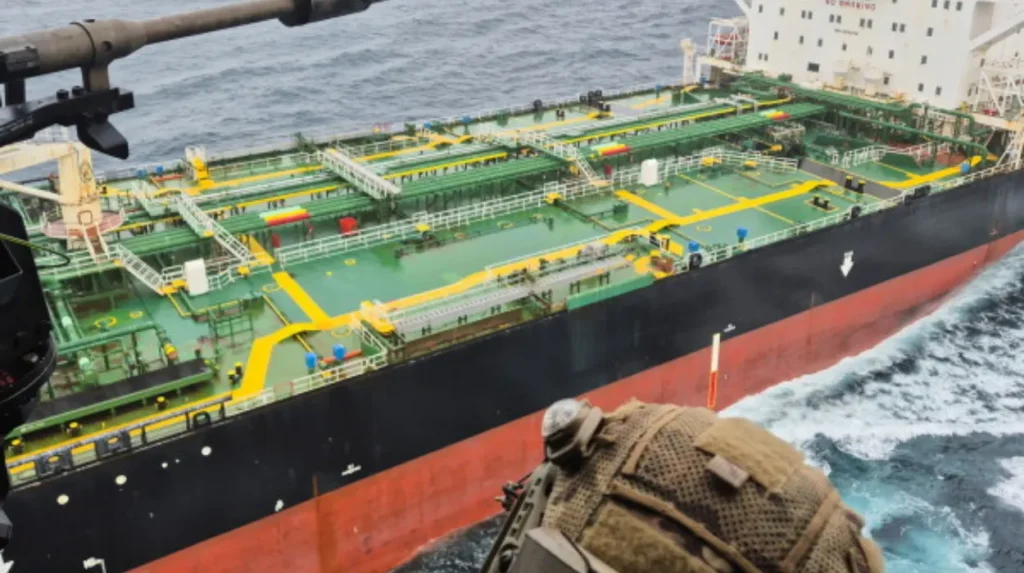
According to French authorities, the navy has detained the ship in the Mediterranean region after it came under the scrutiny of some investigation. The boarding of the ship could have been facilitated by the British Intelligence services as well, according to the news reports. The French justified their actions based on the need for inspection of the ship due to its country of origin and registration; however, from a broader perspective, the intent behind such actions is clear: the tanker belongs to the shadow fleet helping Russia evade sanctions.
The fact that the ship was coming from the city of Murmansk further confirms its involvement in Russia’s energy export strategy. Another important thing that was pointed out by officials was the presence of either a false flag or fraudulently maintained maritime credentials. Such indicators are the most common means through which members of the shadow fleet can be identified.
The French position, as reflected in the reporting, is that these boardings are lawful enforcement actions rather than symbolic political gestures. That framing helps Paris defend the move as a maritime security and sanctions-compliance measure rather than a unilateral attempt to disrupt shipping broadly. In a crowded sea lane like the Mediterranean, that distinction is essential.
The Shadow Fleet Problem
One such system that has emerged since the start of the conflict is known as the “shadow fleet,” which has been considered one of the most common systems of sanctions evasion related to the Russia-Ukraine War. Generally, ships from the shadow fleet are old tankers registered by a complicated ownership structure with various offshore intermediaries to hide the actual owner behind insurance, registration, and charters.
Sanctions implemented by Western countries were aimed at reducing oil revenues for the Kremlin, as it is considered to be among the main sources for the funds used for financing the war in Ukraine. However, the emergence of the shadow fleet introduced another bottleneck in the process of enforcing sanctions as it is easier to blacklist a company in the register than identifying vessels on the high seas.
This is why France’s recent move is important beyond one tanker. If a major European navy is willing to board suspect vessels and hold them to account, that can raise costs for the entire shadow-fleet ecosystem. It also signals that sanctions enforcement is shifting from passive monitoring to active disruption. That change, if sustained, could force Russia to rely on fewer ships, higher-risk routes, and more expensive logistics.
The Numbers Behind It
The scale of the shadow-fleet problem is substantial. Reporting cited by Reuters said the European Union had nearly 600 vessels under sanctions for suspected involvement in Russia’s oil-trade network. That number is striking because it shows the enforcement challenge is not marginal; it is a broad maritime system operating across multiple jurisdictions and shipping routes.
The behavior of France itself is indicative of such a position. It seems that up until the end of November, three ships were boarded by the French authorities since September because of their potential ties with shadow fleets. As was revealed in one particularly publicized example before, the ship was able to leave the jurisdiction of France after paying a large penalty amounting to “several million euros”.
The point about these figures is that they highlight the fact that Europe is not just sanctioning the shadow fleet companies from the outside but is testing its strategy of employing fines and boarding vessels in order to create visible deterrence at the high seas. Indeed, shadow fleet companies operate under a veil of uncertainty, so an increase in boarding probability would mean less profit for them.
Macron’s Political Message
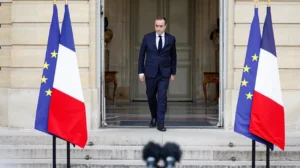
These operations have been framed by French President Emmanuel Macron as being part of France’s greater effort to put pressure on Russia’s war economy. This is logical because if Europe really wants its sanctions to have any effect, then it needs to be prepared to enforce those sanctions, even if this means challenging shipping vessels in contested areas.
This position can be explained by another strategic reality. Oil shipments from Russia are being used to finance a war that Europe has tried to manage using diplomacy, aid to Ukraine, and sanctions. By drawing attention to the fact that these ships were intercepted, Paris is sending a signal that the enforcement of sanctions is not a mere formality in this ongoing war.
French officials have avoided describing the operation as an act of aggression, instead treating it as a legal boarding and inspection. That careful language matters. It reassures allies and shipping markets that the purpose is targeted enforcement, not arbitrary interference with global trade. It also helps France maintain credibility if the case later becomes part of a legal or diplomatic dispute.
Why Britain Matters Here
The reporting noted that the interception was carried out with intelligence provided by the United Kingdom. That detail is important because it suggests the operation was not purely national, but part of a wider allied intelligence and enforcement picture.
British involvement implies that shadow-fleet tracking is becoming a shared European security task rather than a French-only initiative. Intelligence sharing can help identify hull changes, false flags, suspicious routing, and ownership networks that are otherwise hard to see from a single country’s perspective. In practice, this improves the odds of successful boarding and reduces the chance that suspect ships simply slip through under a different identity.
That cooperative element also strengthens the political case for action. If multiple allies are sharing information, France can present the interception as part of a collective sanctions regime rather than an isolated or improvised move. That matters in any diplomatic follow-up, especially if shipowners or flag states contest the legality of the boarding.
A Pattern, Not an Exception
This is not the first time France has moved against a suspect tanker. Earlier reporting described the seizure of the tanker Grinch, which was also linked to the shadow fleet, detained in the Mediterranean, and later released after a payment was made. Another reported case in March involved the tanker Deyna, which French authorities said was linked to the same network.
Taken together, these incidents show a pattern rather than a one-off. France appears to be building a practical doctrine: inspect suspicious tankers, verify nationality and paperwork, detain if necessary, and seek penalties where possible. That approach does not eliminate the shadow fleet overnight, but it raises the operational cost of evasion and forces shipping actors to factor in the risk of interception.
The repetition also suggests that Europe is learning by doing. Each boarding generates intelligence, legal precedent, and operational confidence. Over time, that may produce a more consistent enforcement model across the Mediterranean and beyond. If that happens, the shadow fleet may become less “shadow” and more exposed.
What This Means for Russia
For Russia, the shadow fleet is a critical pressure valve. It helps maintain export volumes, preserve revenue, and soften the impact of sanctions on state finances. Every vessel intercepted, detained, or fined adds friction to that system. Even when a ship is eventually released, the delay and cost matter.
The deeper issue is reputational as well as financial. If major European states become more aggressive in boarding vessels, buyers, insurers, and intermediaries may become more cautious about participating in the trade. That could shrink the pool of willing service providers and make shipping Russian oil more expensive and risky. Over time, sanctions enforcement can work not only by stopping cargoes, but by making the entire trade harder to sustain.
Still, Russia has adapted before, and the shadow fleet exists precisely because Moscow and its commercial partners have found ways around pressure. That means France’s action is meaningful, but not decisive on its own. The real test is whether this becomes a sustained European campaign with enough consistency to alter shipping behavior at scale.