With regards to the highly charged atmosphere surrounding Eastern Europe’s security issues, one drone attack now threatens to spark yet another diplomatic row between France and Russia. On the 29th of May, 2026, France’s foreign minister Jean-Noël Barrot revealed that his country planned to summon the Russian ambassador to explain the situation after the use of a drone against an apartment block in Romania. This latest development is just one part of the increasing number of cases of Russian drones flying into NATO and EU territory.
The move by France is important both in terms of diplomacy and timing. France has a very strong military footprint in Romania, with about 1,500 troops, as part of NATO’s eastern flanks defense policy. The fact speaks volumes regarding how serious the Paris government is about NATO’s collective security defense policy and how intolerant it would be toward any acts threatening civilian facilities and/or national sovereignty of an ally.
The Incident: What Happened and Where
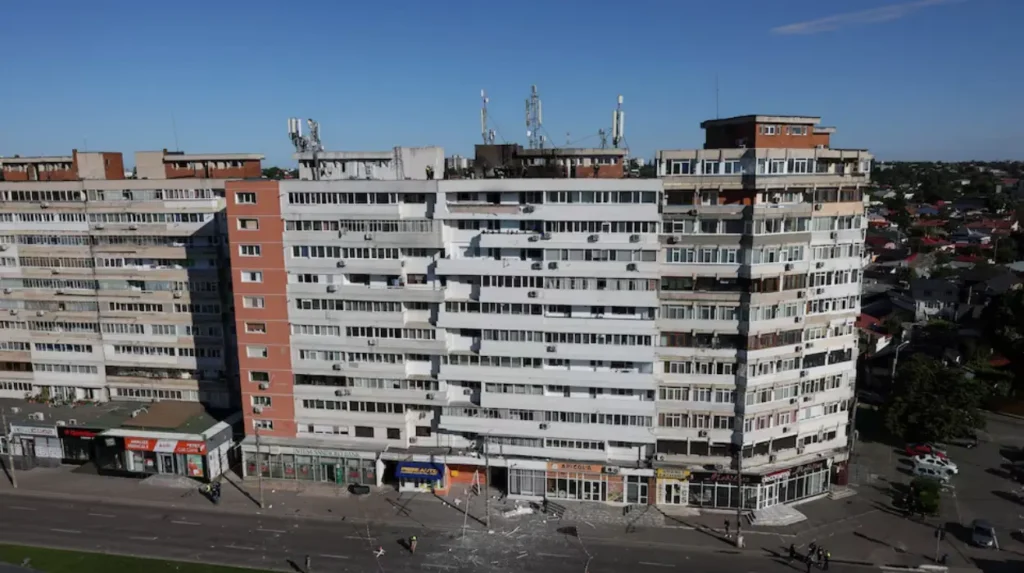
A drone attack took place at an apartment block in Romania, causing destruction and raising alarm bells in Bucharest along with its supporters. Although there is still uncertainty about the number of deaths caused by the incident, French authorities have already criticized the attack as being highly irresponsible. This is one of the many drone attacks carried out by Russia against Ukraine, which also targets other countries near Ukraine.
Romania’s response was swift: Bucharest summoned the Russian ambassador to protest the airspace violation. France’s decision to follow suit and demand explanations from Moscow amplifies the diplomatic pressure on Russia and signals a unified Western front on the issue.
France’s Stance: Accountability and Diplomatic Pressure
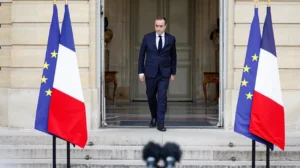
Foreign Minister Jean-Noël Barrot was unequivocal in his condemnation.
“The strike on a Romanian apartment building is irresponsible and cannot go unaddressed,”
Barrot said in a statement broadcast on France Inter radio. He stressed the fact that such instances should not be considered as one-offs and rather as part of a worrying trend of drone flights by Russia which poses a threat to civilian lives as well as breaches international standards.
The comments by Barrot were no mere rhetoric. France has shown its intention to seek consultations with Romania and other NATO partners over the coming days. The objective will be to analyze the security situation and take appropriate action if required.
The French position reflects a broader strategy of combining diplomatic pressure with military readiness. By summoning the Russian ambassador, Paris is sending a clear message: actions that endanger NATO civilians or violate sovereignty will be met with coordinated responses from the alliance.
Russia’s Position: Denial and Deflection
An official response from Russia to the drone incursion in Romania has not yet been delivered; however, in light of previous experience with similar allegations, it is safe to predict how Moscow will respond to the event. In the past, Russian diplomats have argued that such cases can be interpreted as “provocation” on behalf of Ukraine, or attributed to technical failures.
It goes without saying that the Russian ambassador to France will comply with the request and give an explanation; however, it remains unknown whether he will manage to deliver a credible one. Previously, Moscow had demonstrated a tendency to deny its involvement in cross-border flights of military drones.
NATO’s Role and the Eastern Flank Security Challenge
Implications from the event can be quickly noted for NATO’s security strategy on its eastern flank. This is because Romania serves as home to one of the most vital military bases in NATO and France’s deployment of troops to this location is the cornerstone of the NATO strategy against aggression. A drone attack on civilian infrastructure has serious consequences for the preparedness of air defenses among NATO allies.
NATO leaders have been warning the alliance for many years now regarding the danger of drone strikes in NATO’s airspace.
The Broader Pattern: Repeated Violations of EU and NATO Airspace
This incident is not an anomaly. Over the past year, there have been multiple reports of Russian drones and aircraft entering EU and NATO airspace, sometimes causing damage or forcing emergency responses. These incidents have occurred in Poland, Romania, and other neighboring countries, creating a persistent security challenge for the alliance.
French officials have highlighted this pattern in their statements.
“Russian drones repeatedly violate European Union and NATO airspace, and this is a growing threat to civilian safety,”
Barrot said, emphasizing the need for a coordinated response.
The frequency of these violations has raised concerns that Russia may be testing NATO’s resolve or deliberately creating destabilizing situations along the alliance’s eastern border. Each incident erodes trust and increases the risk of miscalculation or escalation.
Diplomatic Fallout and the Path Forward
This approach by France to call in the Russian ambassador shows a serious level of diplomacy on its part, without going into more serious measures such as sanctions or military moves. It shows that France wants to get answers from Moscow on the issue without allowing further violation of NATO territory.
In the days to come, France is expected to consult with Romania as well as other NATO members on how to enhance security levels and make further steps. This might involve deploying additional air defenses, joint patrol missions, or diplomacy in order to prevent future drone missions.
The diplomatic fallout will also be felt in bilateral relations between France and Russia. While direct dialogue has remained open even during times of heightened tension, incidents like this strain diplomatic channels and make cooperation on other issues more difficult.
Civilian Safety and the Human Cost
At the heart of this diplomatic crisis is the safety of civilian populations. The drone strike on a Romanian apartment building is a stark reminder of the human cost of the conflict in Ukraine and its spillover effects on neighboring countries. Civilian infrastructure is not a legitimate target, and attacks that endanger non-combatants violate international humanitarian law.
French officials have emphasized that protecting civilians is a top priority.
“We cannot allow civilian areas to become collateral damage in this conflict,”
Barrot stated, calling for accountability and action to prevent further incidents.
Geopolitical Stakes and the Risk of Escalation
The Romanian drone case comes during a pivotal time in the wider geopolitical contestation between Russia and the Western world. Now that President Donald Trump is again in power and the United States is again actively engaged in European security affairs, there is potential, but also the possibility of disaster, should tensions continue to escalate.
The position taken by France fits into a larger strategy aimed at putting sustained pressure on Russia without resorting to the use of force. Nevertheless, the likelihood of such a scenario is still present. Every incursion and verbal dispute brings the parties closer to a dangerous situation that may get out of hand.
What Comes Next?
The immediate next steps will be shaped by the outcome of France’s diplomatic engagement with Russia, the response from NATO, and the results of ongoing investigations into the drone’s origin. Key questions include:
- Will Russia provide a credible explanation or continue to deny responsibility?
- Will NATO announce new security measures or air defense deployments?
- Will France and its allies pursue additional diplomatic or economic sanctions?
- How will Romania balance its alliance commitments with its own national security priorities?
The coming days and weeks will be critical in determining whether this incident becomes a turning point in NATO-Russia relations or simply another chapter in an ongoing cycle of tension and diplomacy.
The France Romania drone incident is a microcosm of the broader challenges facing Europe today: the threat of asymmetric warfare, the fragility of civilian safety, and the tests of alliance cohesion. France’s decision to demand an explanation from Russia’s ambassador is a clear signal that Paris will not tolerate actions that undermine NATO sovereignty or endanger civilians.
As the diplomatic process unfolds, the focus will remain on accountability, deterrence, and the protection of civilian populations. The world is watching to see whether diplomacy can contain the damage or whether the risk of further escalation will continue to rise.