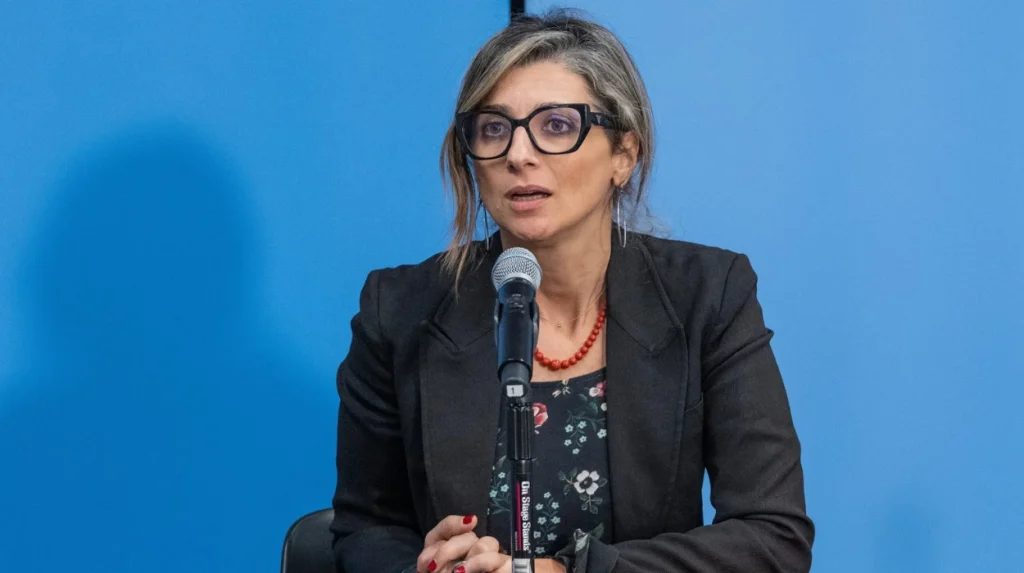
France has withdrawn its intention to seek the resignation of Francesca Albanese during discussions at the United Nations. The retreat follows weeks of controversy surrounding allegations that she made antisemitic remarks, claims that were amplified through edited video clips circulated online. French officials initially signaled support for resignation demands but ultimately refrained from pursuing the initiative formally.
The decision reflects Paris’s effort to balance its diplomatic influence within the United Nations Human Rights Council with broader geopolitical considerations. France’s recalibration also underscores the sensitivity of Palestine-related debates within multilateral institutions in 2025 and early 2026, where polarization has intensified and procedural constraints limit personnel actions against mandate holders.
From Allegations to Withdrawal
The controversy originated from clips of an online forum hosted by Al Jazeera, where Albanese was portrayed as describing financial systems, algorithms, and weapons as humanity’s “common enemy.” Subsequent verification of full recordings indicated that the footage had been selectively edited, altering the context of her remarks. Albanese has consistently stated that her comments referred to structural systems, not religious or national identities.
French lawmakers, including members referencing the clips in parliamentary exchanges, initially cited the material as justification for pursuing resignation. However, the revelation of contextual distortion weakened the legal and diplomatic rationale for escalation. The episode illustrates how digital manipulation can quickly shape political narratives within sensitive international forums.
Broader Political Context
Albanese, appointed in 2022 and reconfirmed in 2025, has produced multiple reports addressing developments in the occupied Palestinian territories. Her assessments have included claims regarding violations of international law and allegations of systemic discrimination, positions that have drawn sharp criticism from Israel and several Western governments. Supporters argue that her mandate requires independent scrutiny of human rights conditions without political interference.
The debates surrounding her work have intersected with ongoing discussions at the Human Rights Council in 2025, where resolutions on Palestine have consistently generated divergent voting blocs. France’s withdrawal from the resignation effort reduces immediate institutional tension while avoiding deeper procedural confrontation within the Council framework.
Competing Narratives Over Bias and Mandate Independence
The dispute surrounding Albanese highlights recurring tensions over how UN special rapporteurs interpret their mandates. Critics argue that some language used in reports risks crossing into political characterization, while supporters maintain that robust findings are essential for accountability. France’s retreat reflects an institutional preference for addressing disagreements through dialogue rather than removal attempts.
The situation also illustrates the structural protections afforded to independent experts under UN procedures. Special rapporteurs are not directly appointed or dismissed by individual states, and their tenure is reviewed through established multilateral mechanisms rather than unilateral national decisions.
Legal and Procedural Constraints
Under existing UN frameworks, resignation demands require significant support within the Council, and removal mechanisms are limited. Albanese’s reconfirmation in 2025 by a majority vote demonstrated continued backing among member states, particularly within the Global South voting coalition. This context made unilateral efforts politically complex and procedurally unlikely to succeed.
France’s reconsideration may therefore reflect an assessment of institutional realities rather than a change in substantive disagreement. By stepping back, Paris avoids a scenario in which its initiative fails to gain traction, which could have diminished its broader influence in Council negotiations.
Divergent International Responses
Reactions to the controversy have varied across states and civil society actors. Some European governments, including Germany and the Czech Republic, had previously expressed concern over statements attributed to Albanese. Meanwhile, a range of non-governmental organizations and advocacy groups defended her independence, arguing that criticism risks undermining UN special procedures more broadly.
Organizations such as Human Rights Watch have cautioned against conflating substantive disagreement with allegations of bias absent clear evidence. These differing perspectives demonstrate how human rights discourse concerning Palestine remains deeply contested within international institutions.
France’s Strategic Considerations
France’s decision to retreat should also be viewed within the context of its broader diplomatic engagements in 2025 and 2026. Paris has sought to maintain credibility across multiple regional dossiers, including Middle East security discussions and nuclear diplomacy initiatives. Maintaining institutional cohesion within the Human Rights Council likely factors into its calculation.
French policymakers may also be weighing relationships with partners outside Europe. Taking a hardline stance against a UN mandate holder could complicate cooperation with states that view rapporteur independence as essential to multilateral legitimacy.
Balancing Alliance Expectations
France must navigate expectations from allies while preserving its identity as a mediator in multilateral institutions. The withdrawal from the resignation push reduces potential friction with states that strongly defend special rapporteurs’ autonomy. It also avoids escalating disputes that could spill into other Council negotiations.
In 2025 sessions, polarization over Palestine-related texts demonstrated how quickly procedural disagreements can block consensus. France’s restraint may therefore aim to preserve its capacity to broker compromise in future resolutions.
Managing Public Perception
The episode has also unfolded in a digital environment where edited clips and rapid dissemination can intensify diplomatic pressure. French officials’ reliance on contested material prompted reassessment once verification questions emerged. This underscores the importance of evidentiary rigor in parliamentary debates concerning international figures.
By withdrawing the resignation demand, France may seek to limit reputational risks associated with advancing claims later shown to be incomplete or misleading. Such recalibration reflects standard diplomatic practice when new information alters the factual foundation of an initiative.
Implications for UN Governance and Palestine Reporting
The controversy comes at a time when reporting on the occupied Palestinian territories remains one of the most debated areas within the Human Rights Council. Albanese’s mandate extends through 2028, and her reports continue to attract both endorsements and objections.
France’s retreat reduces immediate pressure on the rapporteur but does not resolve underlying disagreements about terminology, legal framing, or scope of analysis. These issues are likely to persist in upcoming Council sessions, particularly as member states evaluate how to balance accountability mechanisms with concerns about politicization.
Institutional Stability Versus Political Fractures
The Human Rights Council relies on voluntary state cooperation, making consensus essential for long-term credibility. Efforts to remove mandate holders can deepen divisions, especially when states interpret findings through competing geopolitical lenses.
By stepping back, France contributes to short-term procedural stability, even as broader debates over Palestine reporting remain unresolved. The decision suggests a preference for engagement within institutional frameworks rather than confrontation over personnel.
Future Oversight Dynamics
Going forward, Albanese’s work will likely continue to face scrutiny, particularly regarding allegations of bias and the application of antisemitism definitions in political contexts. At the same time, her supporters will monitor whether criticism affects the independence of other special procedures.
France’s recalibration demonstrates how rapidly evolving evidence and diplomatic calculations can reshape positions within multilateral institutions. As discussions proceed in Geneva and New York, the balance between accountability, freedom of expression, and institutional neutrality will remain central.
The episode ultimately reflects the complexity of managing human rights debates within a polarized international system. Whether this retreat signals a broader shift in France’s approach or represents a tactical adjustment within a single dispute will depend on how future Council negotiations unfold and how stakeholders interpret the boundaries between criticism and institutional independence.