France’s commination of Algeria’s new law labeling French colonization as a crime has boosted longstanding pressures between the two nations. This development underscores deep literal grievances and challenges to political dialogue. The law demands justifications, restitutions, and prohibits social glorification, egging Paris to advise of simulated bilateral ties.
Historical context
French colonization of Algeria gauged 132 years from 1830 to 1962, marked by brutal subjection, land appropriation, and systemic exploitation. The subjection began with the irruption of Algiers, leading to wide resistance and butcheries, including the ignominious El Ouffia couloir bloodbath where thousands of Algerians decomposed. During the social period, France assessed unstable citizenship, expropriating over 3 million hectares of rich land for European settlers while relegating Algerians to poverty.
The War of Independence( 1954- 1962) redounded in an estimated 1.5 million Algerian deaths, wide torture, and atrocities like the Sétif and Guelma butcheries in 1945, where up to 45,000 civilians were killed. Post-independence, issues persisted, including France’s nuclear tests in the Sahara from 1960- 1966, polluting vast areas and causing long- term health headaches for Algerians. These events energized Algeria’s narrative of undetermined shafts, with the new law framing colonization as a” state crime” to institutionalize memory and responsibility. Chroniclers like Benjamin Stora note that while Macron conceded certain crimes, full restitutions remain fugitive, immortalizing a cycle of resentment.
Details of the new law
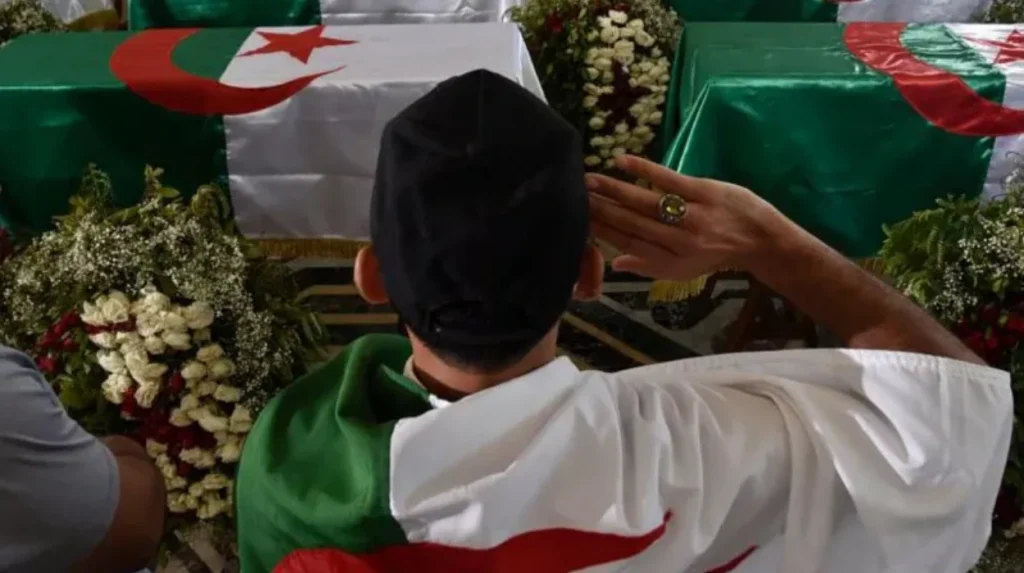
Algeria’s congress unanimously passed the law on December 24, 2025, declaring French colonization a crime against humanity and assessing legal responsibility on France for associated atrocities. Crucial vittles include demands for sanctioned justifications, restitutions for material and moral damages, reparation of social libraries, and compensation for nuclear test victims. The legislation criminalizes glorification of colonialism, including praise for” Harkis” (Algerians who banded with France), with penalties up to captivity rulings for celebratory acts, attacks on resistance symbols, or colonialist reflections. President Brahim Boughali emphasized it targets the social system, not the French people, situating it as a frame for justice rather than revenge. State media reported lawgivers chanting” Long live Algeria” while wearing public flag scarves, pressing public concinnity. Experts like Hosni Kitouni argue its emblematic power outweighs enforceability, as it lacks transnational governance but signals a rupture in literal conciliation sweats.
France’s official response
The French Foreign Ministry fleetly labeled the law a” manifestly hostile action” that risks dangerous political dialogue and formerly fragile relations. A prophet expressed remorse over its unilateral nature, differing it with President Emmanuel Macron’s enterprise, similar as common annalist commissions addressing memory work.
Paris reaffirmed commitment to dialogue on participated precedences likecounter-terrorism, migration, and security, despite the strain. This response echoes previous conflicts, including Macron’s 2024 recognition of Morocco’s Western Sahara autonomy plan, which Algeria views as a treason given its support for the Polisario Front. French officers stressed that while admitting once wrongs, they reject fairly binding restitutions, prioritizing realistic cooperation over literal action.
Diplomatic implications
Bilateral relations, formerly at apost-independence low, face further corrosion from this law. Profitable ties remain robust, with France as Algeria’s top trade mate(€12 billion annually), but political distrust dominates. Recent heads include visa controversies, where France elided issues, egging Algerian retribution, and energy rows amid Europe’s gas reliance on Algeria. The Western Sahara rift aggravated divides, with Algeria expelling French diplomats and recalling its minister.
Judges advise the law could buoy anti-French sentiment, complicating Macron’s Mediterranean strategy and EU- Algeria pacts on migration. Security cooperation against jihadists in the Sahel persists but tenuously, as Algeria pivots toward Russia and China. Long- term, it may inspire analogous legislation across former colonies, challenging France’s postcolonial influence.
Broader international reactions
The recent passage of Algeria’s groundbreaking law on December 24, 2025, declaring French colonization a crime against humanity has thrust the longstanding Franco-Algerian rift into the global spotlight, eliciting a spectrum of international reactions that range from cautious silence to opportunistic endorsements and measured critiques. This legislative move, unanimously approved by Algeria’s parliament amid chants of national pride, not only demands official apologies, reparations, and restitution of archives from France but also criminalizes any glorification of colonial figures or acts, marking a seismic shift in how post-colonial memory is institutionalized.
While the international community has predominantly adopted a stance of muted observation reflecting the delicate balance of France’s influence in Europe and Algeria’s strategic role in North African energy geopolitics, subtle fault lines have emerged that underscore broader debates on colonial accountability, reparative justice, and decolonization in the 21st century.
Morocco, Algeria’s regional rival, has implicitly welcomed the development, viewing it as a timely distraction that diverts Algiers’ focus from the contentious Western Sahara issue, where France under President Macron endorsed Rabat’s autonomy plan in 2024, further straining ties. This opportunistic positioning highlights how the law reverberates through Maghreb politics, potentially emboldening Morocco to advance its claims while Algeria grapples with domestic nationalist fervor.
Future prospects
The recent passage of Algeria’s groundbreaking law declaring French colonization a” crime against humanity” has thrust the longstanding Franco- Algerian relationship into a profound extremity, with France sprucely denouncing it as a” hostile” act that threatens to unravel fragile political vestments. Unanimously approved by Algeria’s congress on December 24, 2025, the legislation not only criminalizes the glorification of social rule but also authorizations sanctioned justifications, restitutions for decades of exploitation, reparation of libraries, and compensation for victims of France’s nuclear tests in the Sahara echoing 132 times of brutal occupation from 1830 to 1962 that claimed millions of lives through subjection, land seizures, and the savage War of Independence.
Paris’s Foreign Ministry response was nippy and stern, advising that this unilateral move undermines President Emmanuel Macron’s vision of” demanding dialogue” on participating memory, while risking cooperation on pressing issues likecounter-terrorism, migration, and energy security amid Europe’s reliance on Algerian gas. This clash revives deep- seated traumas the Sétif butcheries of 1945, where knockouts of thousands of Algerians were massacred; systemic acquisition of rich lands for European settlers; andpost-colonial nuclear impurity affecting generations, all framed by Algiers as unatoned” state crimes”.