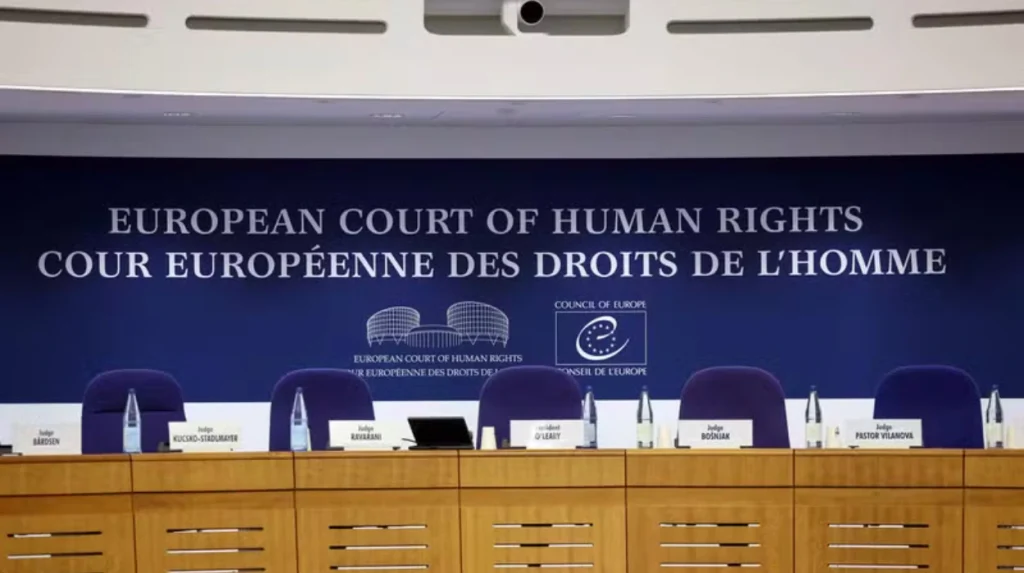
The European Court of Human Rights (ECHR) has ruled in favor of three French girls who alleged they were raped at ages 13, 14, and 16, claiming that the French authorities failed to provide adequate protection for them.
The decision, which was rendered, is intended to put further pressure on France’s national discussion over whether to include consent in the law in cases of sexual offenses that was sparked last year by the trial of Dominique Pelicot and 50 other men over the systematic rape of Pelicot’s wife, Gisèle, who had been drugged.
France has moved to strengthen sentences for rape and sexual abuse, such as establishing the age of consent at 15, but the definition of rape in the French criminal code continues, not to mention a lack of consent. In each of the three cases before the ECHR, applicants contended that their youth and vulnerability at the time ought to have been taken into account by the authorities.
The court concluded that neither the officials who analyzed the alleged assaults nor the French courts did enough to guard the women who claimed they were raped. The court further stated that in two of the cases, criminal trials were not conducted hastily or painstakingly enough.
The court found France guilty of breaching parts of the European Convention on Human Rights that ban suffering and cruel or derogatory treatment and the right of females to respect their personal lives.
“The court viewed that the national courts had failed to properly determine the effect of all the factors involved in the circumstances; nor had they fully taken into account, in ascertaining whether the applicants were able to grasp and of granting consent, of the specially exposed circumstances in which they had seen themselves, notably in light of their ages,”
the ECHR stated in its decision.
The court further recorded the “absence of timeliness and effort in the pursuit of the offender proceedings” in two out of the three cases.
The duty of care has been neglected
The first case involved a teenager who alleged that she had been sexually assaulted in 2009 by two 21-year-old firefighters who were posted in quarters close to her residence. The girl portrayed herself as psychologically vulnerable and a target of bullies at school and reported that she had taken drugs and been admitted to a children’s psychiatric community on many occurrences.
She said that she had sexual contact with one of the firefighters at a few events. She went on to say that her connection information had then been “circulated” among other firefighters at a number of fire placements, who had texted her or contacted her on Facebook.
A second claimant stated that she was raped by two guys who were 21 and 29 years old when she was 14. The third lady stated that she was raped at the age of 16 by an 18-year-old man in her house after a reception. In the instance of the girl who claimed that she was raped by firefighters, the court similarly concluded that French officers were unable to “rescue the applicant’s dignity, by allowing the employment of demeaning and guilt-inducing words, which spread gender stereotypes and could damage victims’ faith in the justice system.”.
The court added that it had not been requested to determine if the individuals accused of perpetrating the offenses were regretful and that its determinations cannot be construed as judgments in the cases in question.
How rapes are described and charged under criminal law continues to differ considerably across Europe. While a few states employ consent-based descriptions, numerous other states continue to necessitate a showing that the offenders applied material force or threats. Under current French law, an act is considered rape if it involves “an act of sexual penetration or an oral-genital act performed on a person through violence, coercion, threat, or surprise.”