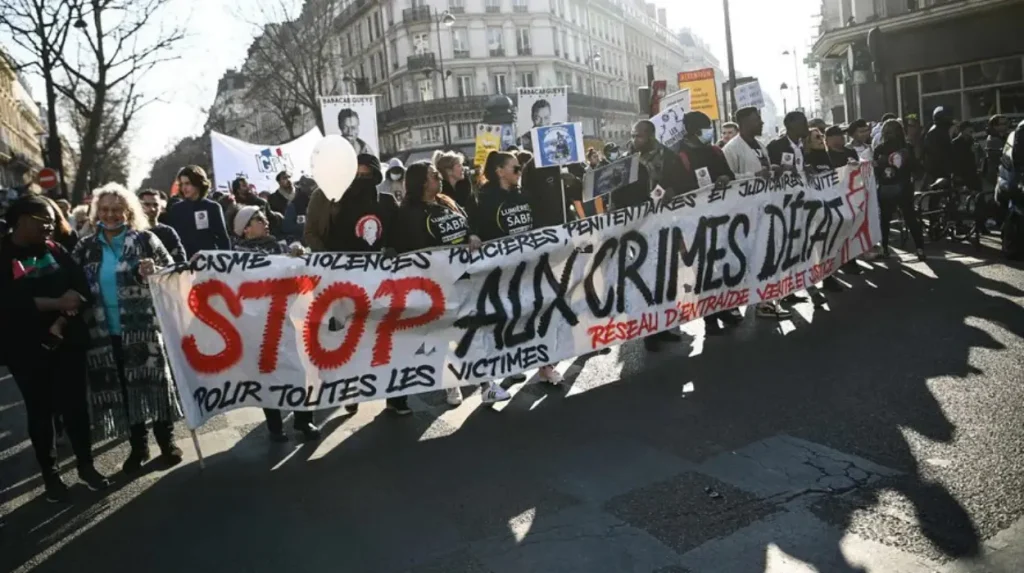
The multi-ethnic neighborhoods of France, especially the Paris banlieues and the Marseille districts are still recording increased tensions as 2025 unfolds. The city officials are reporting increased tensions associated with institutionalized socioeconomic inequalities, with unemployment among immigrant youth approaching 25 percent in certain departments. The weakness of social cohesion was rediscovered with fresh national focus in mid-2025, when several days of youth riots occurred in the region of Seine-Saint-Denis as a result of heightened police activity. According to officials, inter-community confrontation rose about 15 percent since the beginning of 2024, which was reflected in Lyon, Toulouse and Montpellier pockets.
In a November 2025 briefing, Interior Minister Bruno Retailleau underlined that targeted mediation will help to prevent larger-scale unrest, as being more localised in conflict management. The attitude of the government is indicative of the realization that the national level instructions seldom work with the grievances of the neighborhood. With regional leaders trying to stabilize the situation in affected districts, the pursuit of lasting, neighborhood-based solutions becomes one of the leading concerns.
Community Mediation Initiatives
Grassroots mediation has become one of the key pillars of localized conflict resolution in France particularly in the communities characterized by different linguistic and cultural identities. Mediation centers in Grenoble (Villeneuve, the neighborhood) run by the multilingual facilitators on a monthly basis, organize dialogue forums to resolve conflicts over the use of public space, housing issues, and youth-police relations. Mid-2025 assessments indicate that the number of incidents reported has dropped by almost 30 per cent. in neighbourhoods that have been part of such forums with residents attributing the decrease to the cultural fluency of the mediators who had earned them fresh confidence.
The neighborhood NGOs work hand-in-hand with local imams, community elders, as well as youth leaders and form an ecosystem of collective responsibility. The national cohesion plan implemented in the previous year of 2025 strengthened many programs providing funding towards training of facilitators with focus on cultural humility and conflict-deescalation strategies. Interaction increased further when centers began to offer Arabic, Somali and Wolof interpretation, based on the demographic facts of districts that underwent tension following the 2023 Nahel Merzouk protests.
Role of Civic Associations
Civic associations have continued to play a key role in changing the youth participation particularly in those areas where gang allegiances are established or where school attendance is minimal. France Terre d Asile increased its 2025 Conflict management workshops that are part of the after-school programs in the La Duchere district of Lyon. Local prefecture reports indicate a reduction in youth related altercations with the participants tend to embrace peer-mediation strategies that are taught during weekly sessions.
The 2025 Social Inclusion Fund of the European Union helped these associations to develop digital reporting platforms on which the residents can report tensions in breweries in a confidential manner. The timeliness of mediator intervention has also been enhanced by faster dispute identification and this has reduced response time and minimized the need to use formal police responses.
Policing Reforms and Technology Integration
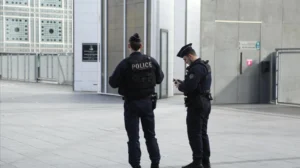
The reestablished experience of proximity policing in France has reinvented the way the officers engage with the residents of the multi-ethnic communities. Rediscovered in a number of banlieues in the middle of 2025, the model sets the police in community centers and residential complexes to create a sense of familiarity and bridge the perception gap. In Seine-et-Marne, the time in which Local arguments within the neighborhood were responded to fell by almost 40 percent as officers tended to mediate on an argument before it exploded.
This approach is shaped through the mandatory training in cultural awareness and anti-profiling frameworks. Although there is some good news, unions are concerned that staffing shortages might hamper implementation in the long term, particularly as budget issues come to the fore before the 2025 legislative year. However, as the leaders of the community in Marseille and Lille observe, the tension that could be observed in everyday interactions is indeed being diminished, which makes the idea of predictable and empathetic policing justified.
Digital Tools for Early Warning
In 2025, conflict detection was even more technologically supported with the help of AI, which analyzes the content of social media posts to identify an increase in the number of hostile speech. These devices in the Marseilles north neighbourhoods (managed by the CNIL privacy watch) inform the municipal mediators in the time of sentiment peaks in situations related to the youth and neighbourhood disputes. There is early evidence that about every four cases that are flagged are resolved prior to becoming public disturbances.
Even though there is still a controversy about the use of digital monitoring in the discriminated population, the local authorities present the tools as the addition to human interaction and not its replacement. The work with the neighborhood watch groups run by residents increases the contextual interpretation, which allows differentiating between tensions and misinformation or the spread of rumors.
Interfaith and Cultural Exchange Efforts
Interfaith coalitions are still instrumental in reducing tension where cultural identity is overlapped with economic disappointment. In 2025, Strasbourg interfaith councils held a number of common events to solve conflicts concerning common shared resources. In the course of meditating in a disputed community hall in the early part of the year, Rabbi David Meyer noted that unbreakable bonds are formed between the community in the midst of divisions and it is because of the symbolic nature of unity in work.
These alliances follow a secular, community-based model that is in line with the principles of laixicite found in France and allows such cooperation without religious support. Lille increased such interfaith working groups based on the success of the initiatives of Strasbourg with the assistance of local cultural departments towards the end of 2025.
Cultural Festival Diplomacy
The informal tensions are relieved by cultural diplomacy activities, especially the micro-festivals in Roubaix and Toulouse. The programs are supported by events funded by 2025 cultural ministry grants which include music, storytelling, and workshops that help participants to describe their personal experience. According to the organizers, conversation circles created during such festivals tend to continue throughout the year making it possible to keep the situation stable even after the events have ended.
There are difficulties in maintaining funding because departments reconsider their 2026 budgets, but the community involved in such projects say that the interpersonal networks have been reinforced and it becomes less vulnerable to radical ideas.
Youth Empowerment Frameworks
Vocational training with conflict resolution education has also demonstrated potential in Clichy-sous-Bois where employment barriers breed tensions in the area. In early 2025, programs are initiated that provide apprenticeships with courses on community mediation. The municipal tracking data shows that employment rates among the participants increased approximately by 20 percent during the first six months after the program commencement, which indicates that the stability increases when the young residents of the area have both economic and interpersonal opportunities.
Corporate sponsors like Renault have a part to play in this by incorporating mediation-trained graduates into teams in the workplace to ensure further practice of the de-escalation skills in the workplace.
School-Based Prevention
Schools still remain as one of the stalwarts of early prevention. A pilot project of an education ministry ushered in peer-mediation coursework in primary schools in selected banlieues and the outcomes were enormous in the reduction of conflicts in the playgrounds. Educators observe that students are more likely to run de-escalation measures at home, which have spillover effects in the wider family relationships.
Studies to be undertaken in late 2026 will focus on the long term nature of the study to determine whether early intervention is associated with reduced adolescent engagement in neighborhood-related conflicts.
The multi-ethnic neighborhoods in France can be a good example of how localized conflict resolution is successful in France when it is associated with the human-driven mediation, reforms in police organization, and cultural exchange. With budgets becoming tighter and an election-related environment, the sustainability of such models raises even deeper concerns regarding the partnerships and new solutions yet to be harnessed in creating stronger urban futures.