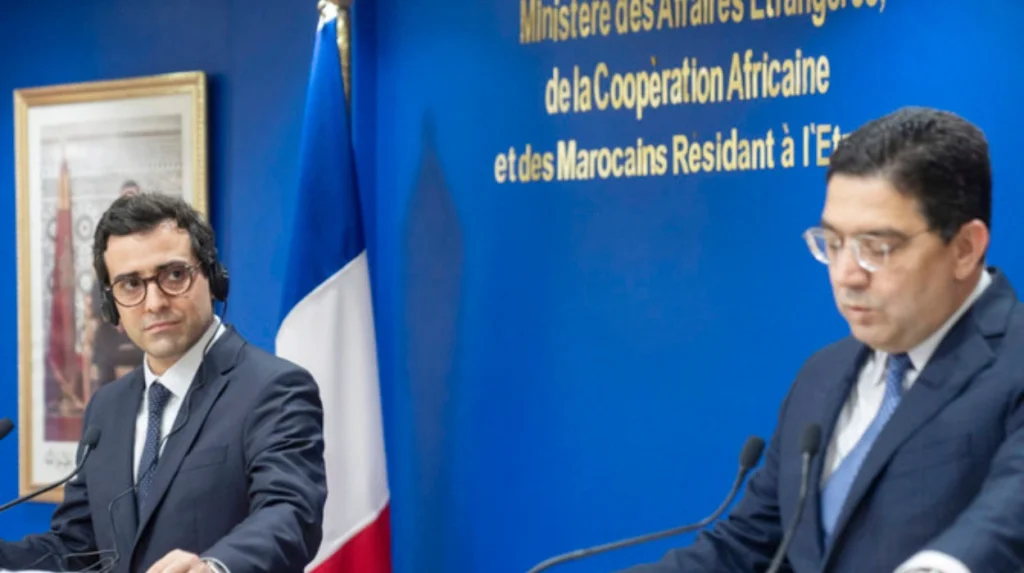
On Monday, 24 February 2025, French Foreign Minister Stephane Sejourne restated French support for Morocco’s autonomy plan for the disputed Western Sahara during a visit to Morocco to mend strained relations. The Algeria-backed Polisario Front, which began a “war of self-defense” in 2020 and seeks independence, claims the former Spanish colony, mostly under Moroccan administration. While previously ambiguous, France’s new stand has now joined increasing international support for Morocco’s claim.
Western Sahara has long been embroiled in a conflict. It was a Spanish colony, but today it is under Morocco’s preliminary administration and partial control by the Polisario Front, backed by Algeria and claiming to represent the native Sahrawi people and to have independence. Morocco and Algeria were formerly both colonized by France. It backs Morocco’s plan along with other countries, including the United States, Israel, and Spain.
What kind of tense relationship between Morocco and Algeria?
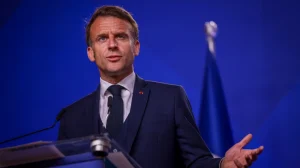
France’s pivot towards supporting Morocco’s claim is a move to remedy tension between the two nations, which soured after France raised visa restrictions for Moroccan nationals traveling abroad. Rabat, which is the capital of Morocco, was alleged to have some sort of spy plan against President Macron. Relations between Morocco and Algeria have been under tension in recent years, particularly after Algeria declared in 2021 that it had severed diplomatic ties with its western neighbor, Morocco. French President Emmanuel Macron expressed support for the Moroccan autonomy plan, stating, “The fate of the present and future of Western Sahara is certainly a matter falling under the sovereignty of Morocco.”
Geopolitical and economic relations with Morocco, a principal partner for North Africa, will benefit from this one, experts believe.
France’s choice is therefore in line with statements made by states, including Spain and the US, in support of Morocco’s initiative.
French economic interests are what have brought it to support Morocco. In addition to this, during Macron’s trip to Morocco, French companies signed contracts worth over €10 billion, including considerable investments in infrastructure and renewable energy projects in Western Sahara. The economic engagement reaffirms French geopolitical interests in befriending Moroccan territory.
Should Algeria and the Polisario Front oppose autonomy?
Algeria condemned France for supporting Morocco, not the Polisario Front. The very fact reveals the strife of an ongoing hostility between Morocco and Algeria over Western Sahara. These conflicts, linked to Western Sahara, have long characterized North Africa. This conflict may receive further attention from Western powers,” which will bolster any further unrest in the area in the hopes of finding a solution or resolution to the conflict.
With the cumulative nature of global support for Morocco’s claims to sovereignty, a resolution to the long-standing dispute might pressure the Sahrawi and Algeria into consideration for conditions stabilizing the peace. Long have the Polisario Front, representing the Sahrawi people, envisioned independence.
Under Moroccan sovereignty, it stands possible that Sahrawis will have to settle for a system of functional autonomy with French backing for Morocco under the plan, as this would take away from the chance for outright independence. Certainly, such a situation would rekindle the long-standing discontent and resistance of the Sahrawi people. Since the ceasefire of 1991, the UN has conciliated the conflict. Given France’s shift in position, the UN may explore alternative models like free association.
EU’s Limited Role in the Western Sahara Conflict
Even though some member states, chief among them Spain, have supported Morocco’s proposed autonomy, it is unlikely that the EU would have attempted mediation between those two factions given its stance on the issue.
With France intently supporting Morocco’s autonomy plan for Western Sahara came great changes to the situation on the ground. Still, such support might historically pan out to resolve contention, yet a high chance does persist of a retort with aggravation from Algeria and jettisoned Saharawi independence.
The Sahrawi right to self-determination and Moroccan sovereignty can both be equally handled after encouraging dialogue between Algeria, Morocco, and the Polisario Front. The UN must follow up with the mediation and begin to explore alternative approaches such as “free association,” which may serve both Moroccan and Sahrawi interests. The international community should oppose any kind of disturbance from any of the parties involved so that the parties may enter into satisfactory talks plentiful enough to ensure that any agreement incorporates international law and human rights obligations.