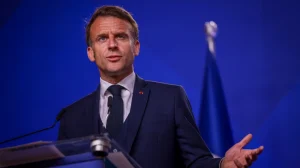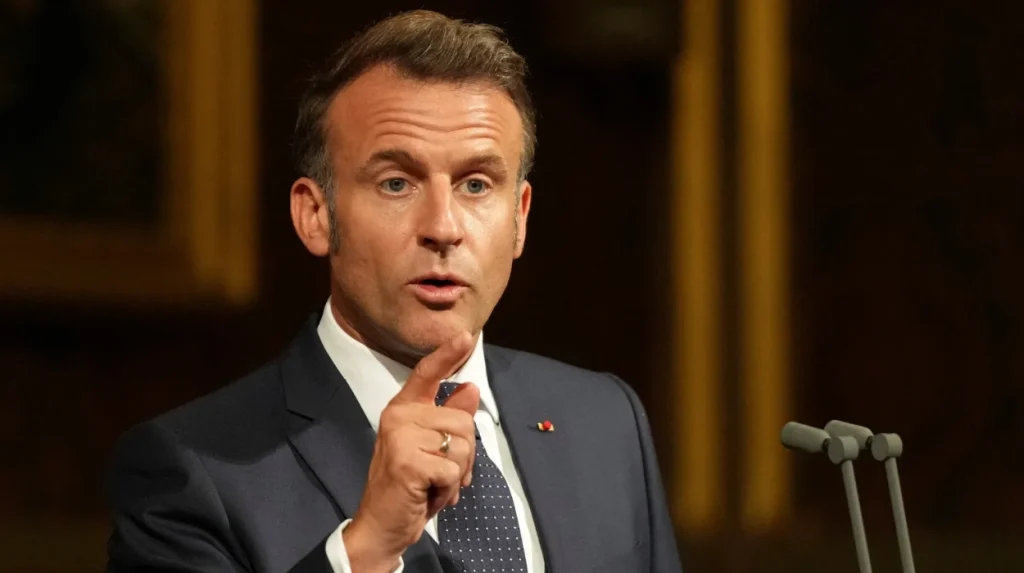
In September 2025, the French president announced during the next meeting of the United Nations general assembly plans to formally recognize the State of Palestine. This statement, which brings France in agreement with the majority of the 145 other UN member states, who already acknowledge the presence of the Palestinian state, is a major shift regarding diplomatic matters in Europe. Macron has defended the action as a rational and moral response to the ongoing humanitarian catastrophe in Gaza in which more than 63,000 Palestinians have been killed since the crisis exploded in October 2023.
This recognition is an indication that France is once again given a new boost in trying to back the two state solution that considers an independent Palestinian state to co-exist with Israel in peace. The Macron administration has described this as an attempt to legitimize moderate Palestinian leadership, deprive it of its ties to militant groups and establish diplomacy as the sole alternative to continuing violence. The French Ministry of Europe and Foreign Affairs stressed that recognition did not amount to an endorsement of Hamas but instead an attempt to empower Hamas-denouncing institutions that promised political reform.
Macron’s calculated diplomatic timing
By selecting the UN General Assembly as the venue where the announcement can be made, Macron puts Palestinian statehood squarely in the global context. France complains that diplomacy has been frozen for a long time and a hallmark thrust is required to get negotiations moving. The French government has also made the argument that their recognition will help to isolate Hamas, which has already been declared as a terrorist organization by the EU and France, and give stronger pressure on more moderate forces willing to engage in peace talks.
Israel’s diplomatic pushback and strategic messaging
France has made a decision, which Israel has reacted strongly against. The Foreign Minister, Gideon Saar, had made it quite clear that President Macron would not be welcome in Israel, as long as there were recognition plans. Prime Minister Benjamin Netanyahu refused to permit Macron to visit Israel ahead of the UN accusing him of putting Palestinian political factions at ease at a time when Israel is grappling with rocket assaults and security threats. Israeli officials have described the move as a betrayal of trust where France undermined the terms and conditions under which meaningful negotiations could take place.
According to the government of Israel, recognizing Palestine unilaterally bypasses the already existing mechanisms including the Oslo Accords and causes a threat to Israeli security. The Netanyahu government has proposed that this action offers diplomatic immunity to enemies and undermines any motivation to Palestinian groups to denounce violence or participate in bilateral negotiations.
National security at the forefront of Israeli concerns
Israeli leadership continues to frame the conflict in existential terms and any recognition of the Palestinian state to exist is perceived as a threat to the state’s self-defense. The way France announced it is during a war in Gaza, has further added Israel perceptions that their security concerns are being compromised. Governments warn these groups that the West Bank and Gaza can retaliate by taking more actions rather than less due to premature recognition.
Implications for Western diplomacy and international law
The United States is reported to have raised an alarm over the course taken by France. The American diplomats have threatened to retaliate by condemning Israel to take preemptive action by annexing more territories in the West Bank. These would engender further destabilization of the two-state structure and make future peace-building efforts difficult.
The Biden administration, though sympathetic to Palestinian ambitions, believes they should be achieved by a negotiated settlement. Such one-sided action by France may play against the role of transatlantic cohesion in Middle East politics, particularly at a time when other EU member states are splitting over whether to be like France and take up a liberal position or adopt a conservative one.
Fragmentation within the European Union
The policy of recognition by France may further divide the European states that are members of the European Union, consensus over Middle East policy has not been strong. Other countries such as Ireland, Spain and Sweden have been seen to lead the pack with regard to Palestinian statehood only to discover how unrestful the area is and how unilateral recognition would turn out.
France too is hostile and this would be carried into internal discussion on how to solve the problem of Israel and Palestine in the EU and whether the member states should balance their future recognitions so as not to sabotage the overall foreign policy of the EU.
The humanitarian and moral argument
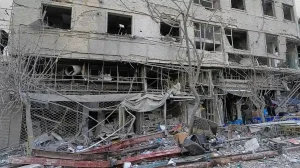
The Gaza humanitarian crisis has contributed greatly towards the new France position. By October 2023, Israeli military operations and civil war had demolished infrastructure in Gaza, displaced hundreds of thousands of people and mass-murdered civilians. The proportions of devastation and distress have awakened requirements of political remedy more than the alleviation of symptoms of warfare.
According to French officials, the move to grant Palestine its statehood is a symbolic yet important gesture of solidarity with Palestinian people. It sends the message that the international community cannot afford to continue overlooking protracted statelessness and occupation when the situation on the ground is deteriorating with each passing day.
Political momentum for Palestinian leadership reform
The French authorities also opine that recognition would stimulate political change in the Palestinian territories. The Macron administration is currently negotiating with the Palestinian Authority heads who have made guarantees of openness, democracy and fresh dialogue with Israel. In this sense, recognition is depicted as an instrument of diplomacy in order to amplify moderate voices and marginalize the actors that refuse to renounce violence and embrace peaceful coexistence.
Political analysis and future outlook
Political observer Nyra Kraal has commented that the diplomatic escalation “sharpens the diplomatic fault lines but could also catalyze renewed conversation on viable paths to peace if managed with care.”
Israel has rejected French President Emmanuel Macron’s planned visit, demanding he abandon his initiative to recognize Palestinian statehood, arguing it jeopardizes their security and vilifies Mahmoud Abbas as an unreliable dialogue partner. pic.twitter.com/9J9L3rudyO
— Nyra Kraal (@NyraKraal) September 5, 2025
The irony of what she is saying is that the recognition of Palestine already has created a political backlash in France, but it can also create some energy in a dead debate, providing a sense of urgency to a diplomatic process that has stalled. Whether this urgency will be transformed into positive impetus, or further entrenchment will depend in large part on how France and Israel play chess over the next few months.
The result of the next UN general assembly would amount to a worldwide referendum on whether Palestine ought to be a state and whether or not the international community ought to continue to take part in Middle East matters. The French recognition policy could also make other states follow suit, or could rock other states by making them assume that it is an isolationist policy.
Strategy and morality are at odds now. The French project has reduced the international to a tense condition in order to demystify its positions not only in Palestine but also in other similarities of sovereignty, self determination and international responsibility.