In October 2025, France took a key diplomatic center stage when it hosted a high-profile summit about the transition of Gaza as a part of ongoing ceasefire talks. That summit, which was in Paris, gathered the stakeholders of European and Arab Quints, the United States, Turkey, Indonesia, Canada and Israel. It was formulated to facilitate ceasefire efforts and influence the post conflict governance and humanitarian system of Gaza.
This conference focused on alignment with continued negotiation efforts by Egypt and included major aspects of the ceasefire plans of the Trump administration which included humanitarian corridors and long-term reconstruction plans as well as gradual security reforms. The energetic activity of France shows that it aims to reestablish its presence in Middle East diplomacy and seize opportunities that arise due to changing priorities in Washington and internal conflicts within the European Union.
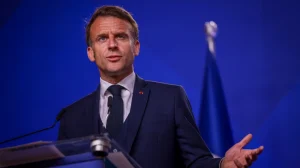
The French Foreign Minister Catherine Colonna cited the summit as the necessary step towards having an organized international role to play in rebuilding Gaza. The time frame and the desire behind this initiative are not only that there is geopolitical urgency, but also the humanitarian crisis that is happening following years of periodical conflict.
Tensions between regional players and diplomatic frameworks
The reaction of Israel towards the summit organized by the French was quite heavy. The organizing of the conference without Israeli coordination led to rejection of the conference by the foreign Minister Gideon Saar as unilateral and counterproductive. This represents the Israeli fears about foreign powers foisting systems that will weaken their very security interests.
Tel Aviv still focuses on the total demilitarization of Hamas and protection against rockets. Since renewed fighting broke out at the end of 2023, Israeli authorities have taken a hard-line position on any plan that they consider to not account adequately to the need of national security.
The resultant tension has put France in an awkward diplomatic situation, having to promise the security of Israel and at the same time propose a transition model that includes Palestinian political entities and international control.
US participation amid domestic distractions
The United States though was the one that co-coordinated the structure of the summit but it was not certain whether it would take part in the summit as there was a federal government shutdown in Washington. The US Secretary of State Marco Rubio had not yet made confirmation of his participation by the time the summit opened and this posed doubts as to the solidity of the American commitment to the changing peace process.
The lack of predictability of the US involvement makes the work of France of introducing the summit as a question propagated internationally a little more complicated. Any proposal that may arise out of the Paris meeting and be consistent on a long term basis is also at risk of being diluted by the lack of the steady American contribution.
To most participants, especially smaller Arab and European countries, the consistency of US support is critical in the process of instating any diplomatic advantages into future stages of the ceasefire and transition process.
Humanitarian planning and post-conflict governance
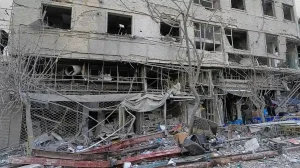
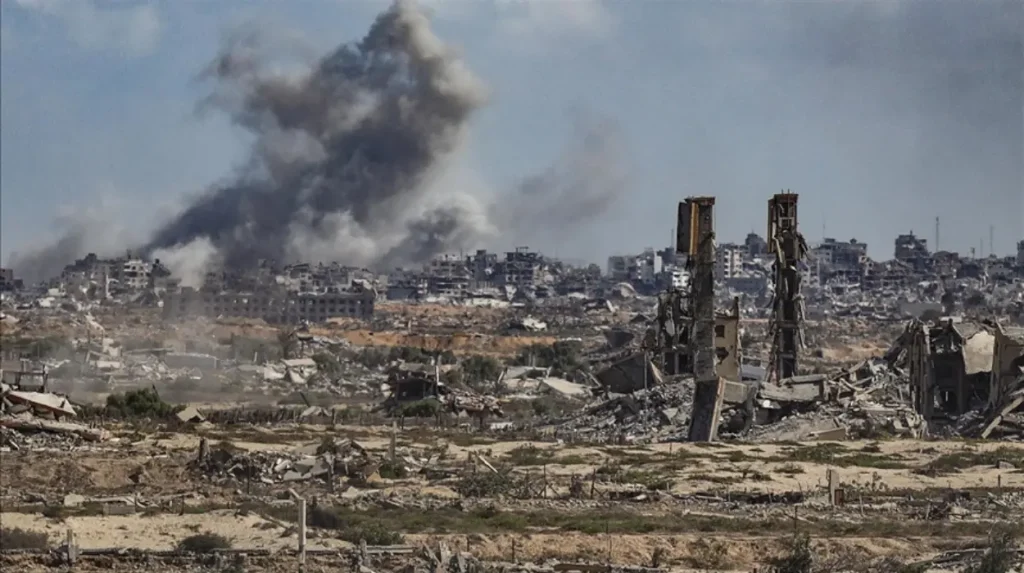
The creation of viable mechanisms of rebuilding Gaza was a key objective of the summit. A large portion of the basic infrastructure in Gaza: electricity grids, water, hospitals, and public housing has been damaged through continued military action and shortages created by the blockade.
The respondents suggested the establishment of a multilateral aid coordination platform that will ensure transparency, elimination of funds diversion, and directing aid to vetted non-governmental organizations. The inclusion of Palestinian Authority (PA) in this framework was extensively debated though it is still a matter of concern that its legitimacy is limited in Gaza.
France promoted a practical approach that aimed at rescuing civic services, and then proceeded to make more sweeping political reforms. French diplomats stressed on the idea that humanitarian recovery is a precondition of sustainable governance and that local credibility depends on real life changes in the everyday life of Palestinians.
Security mechanisms and multinational oversight
Security is one of the key obstacles to implementation. Delegates discussed the proposals of a multinational force, which will work under a possible UN Security Council mandate. The roles of this force would be ceasefire monitoring and training Palestinian security personnel in non-military zones.
Israel is also not convinced with any third-party security releases which do not have direct enforcement mechanisms. Hamas on its part has been willing but under conditional cooperation but it has not been willing to disarm fully, which has resulted in a stalemate over the long-term issue of stability.
The suggested plans of gradual disarmament include steps of confidence building, third party mediation and gradual withdrawal of military capabilities yet lack of trust pervades negotiations. The French building is based on compromise with gradual implementation as opposed to immediate resolution.
Geopolitical context and global balancing acts
The Paris summit too had the purpose of showing a certain level of Arab and Muslim legitimacy to the transition process. Adding of the Arab Quint that included Egypt, Jordan, Saudi Arabia, the United Arab Emirates, and Qatar with Turkey and Indonesia was aimed at balancing the gap between Western diplomatic interests and regional sensitivities.
The inclusion of Turkey, with its long-standing ties to Hamas, and Indonesia, as the country increasingly uses its muscle in the diplomatic activities of Muslim majority countries, indicates an even larger objective to diversify the coalition in favour of Gaza. These actors can facilitate the relationship between the internal Palestinian groups and external power brokers.
The fact that France orchestrated a group of such diverse individuals highlights why it desires to be a credible mediator especially at a period when other Western powers are occupied with domestic or international economic problems.
Europe’s search for influence and competing global interests
The Gaza transition meeting is indicative of the wider strategic re-calibration by Europe. As the United States is experiencing internal political stalemate, with Russia and China gaining power through other arenas, Middle Eastern involvement becomes an option by European capitals in order to boost their diplomatic representation.
The action of France can be interpreted as a desire to seal the gap created by American unpredictability and exude EU soft power in the areas that have previously been at the core of its foreign policy. But credibility in the long run comes with actual follow up and not tokenism hosting of multilateral meetings.
These developments have been followed by the observers in Moscow and Beijing. Although Russia and China were not officially involved in the summit, the two nations are still establishing bilateral relations with the players in the region and can implement similar peace measures that can undermine the Western-led model.
The Gaza transition summit hosted in France in 2025 shows the multifacetedness of contemporary diplomacy where the interplay between conflict management, humanitarian needs, and international competition occurs. The group conference, albeit a single step in a long and puzzling process, indicates an emergency effort to bring together a fragmented global response into a strategy. The capacity of France to negotiate solutions to the Israeli security issues, Palestinian political contexts and multilateral humanitarian interests is likely to either make this initiative a lasting success or place it alongside other failures of peace initiatives in the region among many others.