In the middle of 2025, conflicts between Israel and Iran escalated, leading to a worldwide evacuation effort. France is actively working and mobilizing French citizens abroad. This study assesses the scope of the operation, reflection on the context, techniques used in planning and executing it along with troubles faced prior towards executing official statements.
Scale of the French Repatriation Effort
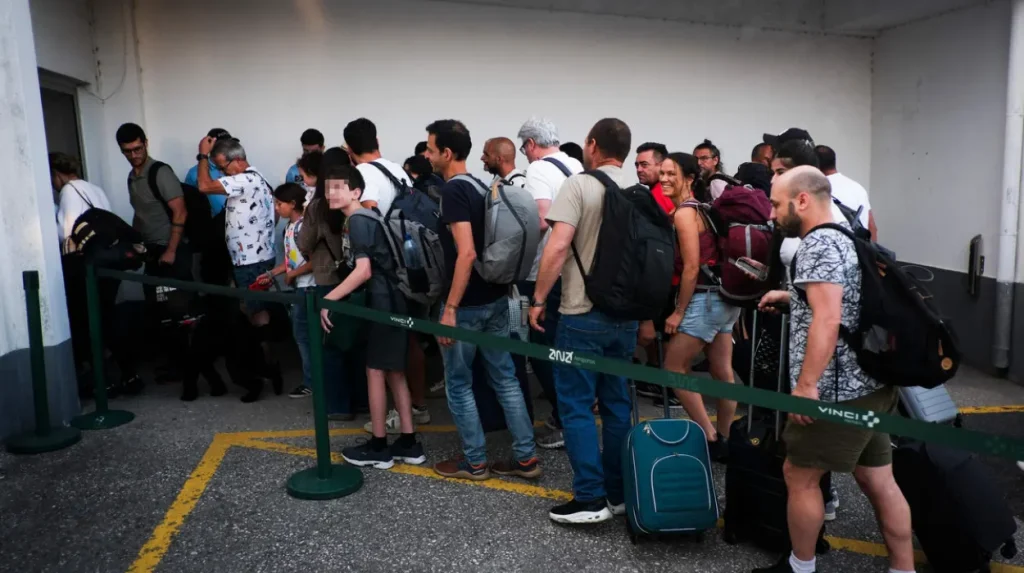
As of June 23, 2025, nearly 200 French citizens had arrived safely back in France from Israel, marking a critical milestone in the government’s evacuation campaign. This figure follows a series of coordinated flights and ground transports beginning days earlier. For instance, on June 22, 160 French nationals—primarily those in emergency or vulnerable situations—were repatriated from Amman, Jordan, accompanied by medical personnel from the Ministry’s Crisis and Support Centre. Further flights were scheduled to continue the repatriation, including a commercial flight from Amman on June 23 expected to carry 150 nationals, and a chartered flight on June 24 aimed at transporting more than 150 vulnerable individuals.
The data highlights the extent of the French presence in the region: nearly 250,000 French citizens living within Israel’s borders and close to 100,000 of them listed on consular records. The growing population of expatriates requires a constant and multifaceted evacuation strategy in light of the worsening security conditions.
Evacuation Methods and Routes
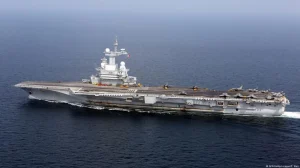
To mitigate some of the severe logistical hurdles caused by both the conflict as well as Israeli airspace restrictions, the French government has implemented a structured multi-modal approach. Military A400M aircraft have been proposed to move French nationals from Ben Gurion Airport to Cyprus as they await Israeli clearance for these flights. Given these limitations, surface transport became indispensable: bus shuttle services are provided for French citizens from Tel Aviv, Jerusalem, Netanya to airports in other countries like Jordan’s Amman City or Egypt’s Sharm el-Sheikh where flights to France are available.
For the French nationals residing in Iran, the situation is more challenging because of existing strains and few direct flights. France is organizing land convoys to take people from Iran to the Turkish or Armenian borders, where they can access flights back home. Private travel companies have also been contracted to facilitate evacuations through Egypt, indicating that all options must be utilized for this purpose.
This strategy demonstrates not only how far some French nationals are from consular facilities but also the limitations presented by the conflict and closed regional air routes.
Ministry Support and Crisis Management
Following the outbreak of conflict on June 13, 2025, the French Ministry for Europe and Foreign Affairs has been managing the situation strategically. For instance, The Ministry’s Crisis and Support Centre has received more than four and a half thousand phone calls from citizens requesting help. Because of this, the departments are using their embassy channels to provide information updates alongside offering emergency contacts. Vulnerable evacuees have also been provided medical accompaniment, as seen by repatriation flight doctors.
This in-depth support structure is essential not only to assist with coordinating logistics but also dealing with the anxiety that comes with dire circumstances for those trapped in the crossfire.
Retialisation
The Iranian military threatened to impose “serious, unpredictable consequences” on the United States in reaction to Trump’s move on sites in Isfahan, Natanz, and the underground uranium enrichment complex at Fordo.
“This hostile act … will widen the scope of legitimate targets of the armed forces of the Islamic Republic of Iran and pave the way for the extension of war in the region,” said armed forces spokesman Ebrahim Zolfaghari on state television.
Context and Drivers of the Evacuation
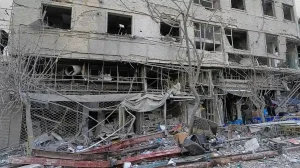
The evacuation efforts take place against the backdrop of a quickly escalating conflict started by then-U.S. President Donald Trump’s choice to send warplanes against Iranian nuclear sites. The subsequent Israeli air and missile assaults have aimed at Iran’s military leadership and nuclear infrastructure, therefore causing substantial casualties and damage. Civilian losses inside Israel from Iranian retaliatory missile strikes have amplified worries of a bigger regional war.
Commercial flight choices have been greatly restricted by Israeli airspace closure, therefore governments have turned to land and maritime pathways for evacuations. This has made repatriation missions more urgent and complex, therefore calling for worldwide cooperation and creative logistical solutions.
International Evacuation Efforts: A Comparative Perspective
France’s evacuation efforts are part of a wider international response to the conflict. Numerous countries have mobilized to repatriate their citizens from both Israel and Iran:
Australia evacuated a small group from Israel via land border crossings and is assisting thousands of nationals in both Israel and Iran.
China has evacuated over 1,600 citizens from Iran and hundreds from Israel, reflecting the large Chinese expatriate population in the region.
European countries such as the Czech Republic, Slovakia, Greece, Italy, Portugal, Romania, and Serbia have repatriated hundreds of their nationals through a combination of government flights and ground transports. For example, the Czech Republic and Slovakia evacuated 181 people from Israel via neighboring countries due to airspace closures.
The United States has announced plans for evacuation by air and sea, including the use of cruise ships to transport citizens out of Israel.
India launched “Operation Sindhu” to evacuate nationals from Iran.
This international effort underscores the global scale of the crisis and highlights the shared challenges faced by governments in protecting their citizens abroad amid rapidly evolving conflict dynamics.
Prioritization and Vulnerable Groups
A key feature of the French evacuation strategy has been the prioritization of vulnerable groups, including the sick, those requiring urgent medical care, and unaccompanied minors. This focus is reflected in the medical accompaniment on flights and the organization of convoys and bus transports specifically designed to assist those unable to travel independently.
French Foreign Minister Jean-Noël Barrot has emphasized the importance of these measures, announcing plans for convoys and bus transports to facilitate evacuation from both Iran and Israel. This approach balances the imperative to evacuate as many citizens as possible with the need to provide special care for those most at risk.
Logistical and Diplomatic Challenges
The evacuation operation faces numerous logistical and diplomatic hurdles. The closure of Israeli airspace has forced reliance on neighboring countries’ airports and land borders, requiring diplomatic coordination with Jordan, Egypt, Turkey, Armenia, and Cyprus. Securing authorization for military flights, arranging safe passage through potentially volatile border areas, and coordinating with private tour operators add layers of complexity.
Additionally, the volatile security environment, including ongoing missile strikes and the risk of escalation, complicates movement and heightens risks for evacuees and personnel involved in the operation.
Complexity and Scale of the French Evacuation Operation
The repatriation of French citizens from Israel and Iran amid the 2025 Israel-Iran conflict represents a large-scale, complex humanitarian and logistical operation. Nearly 200 French nationals had been repatriated by June 23, with multiple flights and ground convoys planned to continue evacuations. The operation leverages military and commercial air transport, land convoys, and international cooperation to overcome the challenges posed by closed airspace and active hostilities.
France’s efforts are part of a broader international response, with many countries evacuating their nationals through similarly complex arrangements. The prioritization of vulnerable groups and the provision of medical support underscore the humanitarian focus of the operation.
Overall, the French government’s coordinated response highlights the critical role of diplomatic agility, logistical innovation, and crisis management in protecting citizens abroad during rapidly unfolding conflicts.