A new diplomatic spat has erupted between France and Iran over Tehran’s denial of charges against Iran security forces of harassing two employees of the French Embassy, despite assertions by Paris that the individuals were harassed and abused. This incident goes beyond an ordinary consular issue and becomes one of testing the scope of diplomatic immunity.
What Triggered The Dispute
The confrontation began after France said two of its embassy officials in Tehran were detained for several hours by Iranian security services and then returned to the embassy. French Foreign Minister Jean-Noël Barrot described the incident as an “extremely serious act of intimidation” and said it was a
“flagrant violation of diplomatic immunity”.
Dimanche soir deux agents de l'ambassade de France en Iran ont été la cible d'une action d'intimidation extrêmement grave de la part des services de sécurité iraniens, en violation flagrante des immunités diplomatiques dont ils bénéficient.
— Jean-Noël Barrot (@jnbarrot) July 20, 2026
Détenus sans raison pendant plusieurs…
According to Barrot, both diplomats were unjustifiably arrested, interrogated and beaten. They were stripped off their cell phones, not allowed to contact the embassy, threatened, and intimidated. France subsequently called on the chargé d’affaires of Iran based in Paris and sought accountability. It is clear that things spiraled out of control very quickly to the point of an official diplomatic complaint being made.
Iran’s Counterclaim
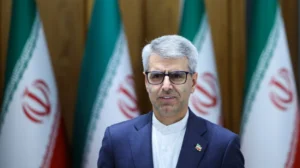
Iran’s foreign ministry has rejected France’s version of events and says the two staff members were not ill-treated. According to Iranian Foreign Ministry official Mohammad Tanhaei, the security personnel questioned the two French embassy staff after they met with individuals under security investigation, then handed them over to diplomatic police once their embassy link was recognized. Tanhaei said there was no intimidation, directly challenging the French narrative. Tehran’s position is that the episode involved a lawful security inquiry rather than harassment of diplomats, and Iranian officials have also criticized the behavior of the French diplomats as “unconventional” and “unprofessional”.
The Phone Call Between Ministers
The issue did not end there. In an act that would see tensions continue, despite all the above, both Iranian Foreign Minister Abbas Araghchi and French Foreign Minister Jean-Noël Barrot engaged in discussions over the phone Tuesday regarding bilateral, regional and international issues. The discussion came after Mr Araghchi had criticized the manner in which the French diplomats had conducted themselves saying that their conduct was “unconventional and unprofessional” and “unacceptable,” as reported in the Iranian state-related media and regional media.
Competing Accounts Of The Incident
The hardest part of this dispute is that the two sides are telling fundamentally different stories. France says the diplomats were detained, questioned, intimidated, and that one was physically assaulted; Iran says they were briefly questioned, transferred to diplomatic police, and not mistreated.
French reporting also places special emphasis on the fact that one of the officials was the cultural attaché, with France arguing that the staff were carrying out civil society support work linked to Iranian artists and scientists. That detail matters because France is using it to argue the officials were performing normal diplomatic duties, not anything that would justify coercive treatment.
Why France Reacted Strongly
The response of France was particularly vigorous since this situation was viewed as an open violation of diplomatic protocol rather than just another security event. Barrot made clear that “this cannot go without consequences,” thus showing that Paris was prepared to take further actions depending on how satisfied it was with Iran’s explanations. In addition, France emphasized the fact that two staff members were in no danger and were going to be back in France very soon. This did not diminish political tensions between the two countries since the crux of the problem was whether Iran’s security service violated a certain red line by harassing diplomatic personnel of the embassy.
Diplomatic Stakes For Both Sides
The incident is important because it touches one of the most sensitive areas in international relations: the protection of diplomatic staff. Even a short detention can be seen as a serious violation if phones are taken, embassy contact is blocked, or physical force is used. That is why France has framed the event as an intimidation campaign rather than a simple questioning by police.
For Iran, the risk is reputational and political. By insisting that the diplomats acted inappropriately and that its officers did not mistreat them, Tehran is trying to preserve the argument that its security services acted within legal boundaries. But because France has elevated the issue publicly and summoned Iran’s representative, the controversy now carries broader implications for bilateral dialogue.
What Each Side Wants
It seems that there are two objectives of France: an explanation from the Iranian side and some kind of punishment if their account of the events turns out to be true. It looks like Paris has successfully argued that this incident is grave enough for diplomatic repercussions and an official complaint at the highest levels. As far as Iran is concerned, it looks like they want to divert the attention from the mistreatment to the conduct of the French personnel. The use of the word ‘unacceptable’ by Araghchi clearly shows that Tehran views the matter as a bilateral affair rather than a unilateral affair of the security agencies of Tehran.
Broader Context In Relations
The latest row comes at a particularly sensitive period for Franco-Iranian relations, where their connection is quite tenuous and vulnerable to shocks. The fact that the foreign ministers had a conversation on Tuesday demonstrates that communication channels between the two countries are still open, but the nature of the conversation implies that neither side is ready to acknowledge the other party’s version of events. It also follows a certain trend where diplomats are used as instruments of wider political struggles. The rhetoric employed by France regarding support of civil society initiatives, cultural exchanges, and diplomat immunity shows that it regards this issue not only as a matter of one security check point.