The Strait of Hormuz, a vital route for energy shipping, is getting a major update. The UK and France finished planning a multinational mission to remove mines there. They want to start it soon after a US-Iran agreement aimed at boosting maritime safety. This signals a crucial effort in post-conflict sea security. It also highlights Europe’s coordinated push to protect global energy supply routes and ships from mine threats.
This isn’t a spur-of-the-moment mission; it came from months of tough diplomatic work, planning, and team building among many countries. It signals a move toward more defensive naval operations, focusing on autonomy, mine-clearing tech, and bringing lots of nations together. As folks worldwide keep watching, both the UK and France are demonstrating that they’re leading players. They’re not just followers; they’re taking charge to make the Persian Gulf safer.
Exclusive: The UK and France have finalised operational planning for a mine-clearing mission in the Strait of Hormuz
— Alex Wickham (@alexwickham) June 4, 2026
Military planners say they can now generate a “credible force” for the operation, sources tell Bloomberg
*It means British personnel are set to be deployed to…
The Strategic Imperative: Why Hormuz Matters
The Strait of Hormuz isn’t just a geographic passageway; it’s vital for the global economy. Right now, around 20 million barrels of oil can’t get through each day because of mining and security issues. That’s almost 20% of what the world needs daily. Any problem here hits energy markets, supply chains, and political stability worldwide hard.
Countries that import oil, especially in Asia and Europe, face serious economic trouble when shipments slow down. The situation demands quick action since even a minor blockage could set off price hikes, inflation, and shortages in various industries. The UK and France get that securing Hormuz isn’t just about one region—it affects everyone globally.
Operational Design: Drones, Mother-Ships, and Phased Clearance
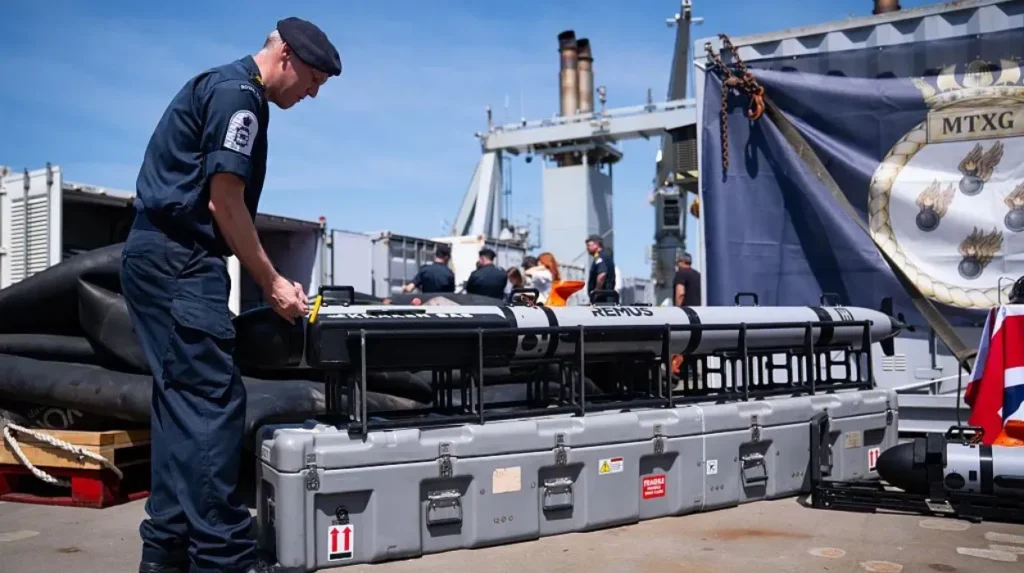
At the heart of the mission is a technological Edge: the use of autonomous mine-hunting drones deployed from a mothership. This approach minimizes risk to human crews while maximizing coverage and precision in mine detection and neutralization. The plan envisions a two-phase operation:
- Phase One: Survey and neutralization of mines in primary shipping channels using unmanned surface and underwater vehicles.
- Phase Two: Broader clearance operations and establishment of escorted safe passage corridors for commercial vessels.
The mothership, which is either a Royal Navy vessel or a leased commercial ship, will act as the command and logistics center. It lets crews operate from safer areas away from the dense threat zones. This plan came about from lessons learned during previous mine-clearing tasks and includes the latest in autonomous technology for these risky tasks.
According to a senior British defense official involved in the plans, “We are rolling out the best mine-countermeasure systems around.” This shows a strong defensive stance and dedication to low risk to personnel while still meeting their goals. They’re focusing on keeping crews safe while making their work more efficient.
Coalition Building: From 22 to 40+ Nations
Starting under British leadership, the effort is now a big mix of countries working together. At first, people thought around 22 nations were part of it. Yet, the numbers grew when the UK and France stepped up; now over 40 countries are involved. From Albania to South Korea, members include Albania, Australia, Bahrain, Belgium, Canada, Germany, Japan, Qatar, and lots more.
This shows how worried the world is about shipping lane safety and their readiness to chip in. With NATO friends, Gulf collaborators, and Asian markets all in, it emphasizes how much everyone has at stake.
“Freedom of navigation is not negotiable. We are united in protecting the right of all nations to trade safely through international waters,”
said French President Emmanuel Macron during a joint press briefing with UK Prime Minister Keir Starmer. Their joint statement, issued on May 12, 2026, formally outlined the mission’s defensive mandate and the coalition’s commitment to safe passage.
The Diplomatic Architecture: Macron, Starmer, and the Push for Reopening
The mission’s political groundwork comes from the high-level talks between Paris and London. In April 2026, Macron and Starmer gathered allies to plan for post-conflict operations in Hormuz. They aimed to support free passage, protect stranded crews, and set up a defensive maritime operation. This meeting really helped get broad international support for clearing mines.
Their efforts are linked to US negotiations with Iran to reopen the waterway. The UK and France are ready to move as soon as things allow, based on a deal that makes the waters safer and stops more mining.
“This is not about confrontation. It is about ensuring that commerce can flow, that families can keep their lights on, and that the global economy does not pay the price of regional conflict,”
Prime Minister Starmer emphasized, reinforcing the mission’s non-offensive, humanitarian-friendly framing.
Defensive Mandate: Clarity on What the Mission Is—and Is Not
Official statements often emphasize that the mission is purely defensive. The UK, France, and their coalition buddies always highlight that they’re focused on clearing mines and safeguarding navigation. They aren’t targeting Iran or pursuing other military goals in the region. This point is key to keeping international backing and avoiding any escalations.
“Our mandate is clear: protect navigation, clear mines, and ensure safe passage. We are not there to engage in hostilities or to take sides in regional disputes,”
a coalition spokesperson stated during a briefing in Brussels. This clarity helps differentiate the mission from past military interventions in the Gulf and aligns it with international maritime law and safety norms.
Coalition documents stress that their operation will follow rules to protect civilians and avoid trouble. The goal is simple: remove mines and get shipping lanes back to normal. It’s not about showing off military might or changing regimes.
Technology and Innovation: The Role of Autonomous Systems
The mission’s reliance on autonomous systems marks a significant evolution in mine-countermeasure operations. Unmanned surface vehicles (USVs) and unmanned underwater vehicles (UUVs) will conduct the majority of detection and neutralization tasks, reducing exposure of human crews to high-risk environments.
These systems have advanced sonar, AI navigation, and precise neutralization charges, which make fast and safe mine clearing possible. Using drones lets operators run missions in different areas at once, cutting down the time needed and keeping commercial ships safer.
“Autonomy is not the future—it is the present. These systems allow us to operate faster, safer, and more effectively than ever before,”
said a Royal Navy technical director overseeing the deployment of mine-hunting drones.
Regional Reactions and Strategic Implications
The mission’s gotten mixed reactions around the region. Bahrain and Qatar, part of the Gulf Cooperation Council (GCC), are on board, seeing the threat mines pose to their exports and economy. Oman, sitting close to the Strait, could help out logistically. As for Iran, they haven’t officially said much. Based on previous statements, Tehran likely sees foreign navies there as a provocation. Yet, since the mission is defensive and timed with a potential U.S.-Iran deal, a direct clash might be avoided.
What Comes Next: Timeline, Challenges, and Outlook
The mission kicks off during planning, but its start depends on diplomatic progress. If the U.S. and Iran agree, the coalition plans to deploy quickly – within days. Ahead, though, lie tough challenges: defusing minefields, teaming up multinational troops, and keeping everyone politically unified as things move forward.
“The road ahead is difficult, but the cost of inaction is far greater. We will not let the strait remain closed while the world waits,”
concluded Prime Minister Starmer, underscoring the mission’s urgency and resolve.
A New Chapter in Maritime Security
When the UK and France lead a post-war mine-clearing mission in Hormuz, it’s more than just tactical – it’s strategic. They’re showing off multilateral teamwork, advanced technology, and the defense of global commons. Since so much of the world’s energy passes through this tiny strip of water, their mission could redefine how countries come together for maritime security in the 21st century.
This isn’t just about clearing mines; it’s about setting a precedent for uniting when global interests are on the line. If they succeed, it’ll show that nations can join forces for defensive goals. This collaboration would highlight the importance of working together to protect vital resources across the globe.