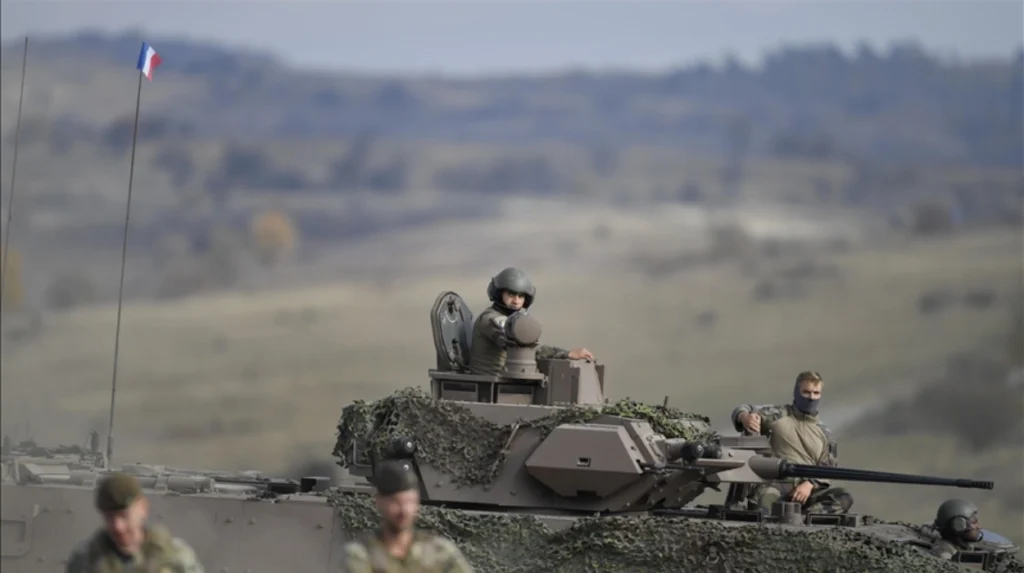
France’s base access offers signals support without soldiers in the Iran war at a moment when European powers are recalibrating their military roles in volatile Middle Eastern conflicts. President Emmanuel Macron has framed the policy as a deliberate balance between alliance obligations and national restraint, emphasizing that Paris neither initiated nor directly participated in the early phases of military escalation. This framing reflects a broader doctrine in French foreign policy that prioritizes strategic autonomy while maintaining operational flexibility within allied frameworks.
The decision to grant logistical access to overseas bases, rather than deploy combat troops, reflects both constitutional limitations and political calculation. French officials have underscored that enabling allied operations through infrastructure does not equate to direct participation in hostilities. This distinction allows France to remain engaged in the evolving security architecture of the region while avoiding the domestic and international consequences of frontline military involvement.
Operational scope of overseas base access
France’s global military footprint provides the structural backbone for this approach, allowing Paris to influence operational outcomes without committing forces to direct combat.
Djibouti and UAE as logistical hubs
French bases in Djibouti and the United Arab Emirates have emerged as critical nodes for allied logistics. Djibouti, hosting approximately 1,500 personnel, offers proximity to key maritime routes, while the UAE base provides rapid access to Gulf airspace. These installations enable refueling, surveillance coordination, and emergency staging for allied aircraft engaged in operations linked to the Iran conflict.
This logistical contribution significantly reduces transit times and enhances operational efficiency for partners such as the United States and the United Kingdom. The arrangement mirrors patterns established during Red Sea tensions in 2025, when French facilities supported maritime security operations without direct combat engagement.
Intelligence and surveillance contributions
Beyond physical infrastructure, France contributes intelligence-sharing capabilities that enhance situational awareness for allied forces. This includes satellite data, reconnaissance inputs, and coordination through multinational command frameworks. French officials describe this as a “force multiplier” that strengthens allied effectiveness while remaining within the bounds of defensive cooperation.
Such contributions highlight a hybrid model of engagement in which information and logistics replace direct military action. The approach aligns with France’s long-standing emphasis on technological and intelligence capabilities as instruments of influence in modern conflict environments.
Economic pressures shaping restraint
France’s base access offer signals support without soldiers in Iran war is deeply influenced by economic realities that constrain the scope of military engagement.
Energy shock and inflationary impact
The Iran conflict has disrupted a significant share of global oil flows, particularly through the Strait of Hormuz, leading to sharp increases in energy prices. Brent crude exceeding $118 per barrel has contributed to rising inflation across the euro area, with France experiencing noticeable pressure on household costs and industrial inputs.
French economic authorities estimate losses between €4 billion and €6 billion since the onset of the conflict. These figures reflect not only direct energy costs but also secondary effects on supply chains, manufacturing output, and consumer demand. The economic burden reinforces the government’s preference for limited military exposure, as deeper involvement could exacerbate fiscal strain.
Fiscal discipline and policy tradeoffs
France’s fiscal position, already tested by previous crises including the COVID-19 pandemic and the Ukraine war’s aftershocks in 2025, leaves limited room for expanded defense spending. Finance officials have resisted calls for broad subsidies or tax relief, arguing that such measures could intensify inflationary pressures in an already constrained supply environment.
This economic context shapes strategic decision-making, pushing policymakers toward options that minimize financial risk while preserving geopolitical relevance. Base access offers a comparatively low-cost means of maintaining influence without triggering the higher expenditures associated with combat operations.
Domestic political considerations
Internal political dynamics further explain why France has opted for logistical support rather than direct intervention.
Public sentiment and political opposition
Public opinion in France has shown increasing sensitivity to economic pressures, particularly rising energy costs and inflation. Opposition parties have leveraged these concerns to criticize the government’s foreign policy, with some arguing that even indirect involvement in the Iran conflict risks entangling France in a prolonged and costly confrontation.
The legacy of domestic unrest following pension reforms in 2025 continues to shape the political environment. Against this backdrop, the government’s cautious approach seeks to avoid triggering additional public backlash that could undermine political stability.
Constitutional and doctrinal constraints
France’s constitutional framework imposes limits on the deployment of military forces, particularly in offensive operations without clear parliamentary oversight. These legal constraints reinforce the government’s preference for indirect forms of engagement.
At the doctrinal level, the policy reflects a modern interpretation of Gaullist principles, emphasizing independence of action and resistance to automatic alignment with external powers. By providing support without committing troops, France maintains its strategic identity while contributing to collective security efforts.
Allied expectations and operational implications
France’s base access offer signals support without soldiers in Iran war also shapes the dynamics of cooperation with key allies.
Benefits for US and UK operations
For allies such as the United States and the United Kingdom, access to French bases enhances operational reach and flexibility. The ability to refuel and stage operations from strategically located facilities reduces logistical constraints and increases the tempo of military activities in the region.
This arrangement allows allies to sustain pressure on adversaries while benefiting from France’s geographical advantages. It also underscores the interdependence of Western military capabilities, where infrastructure and logistics play as crucial a role as combat forces.
Limits of indirect engagement
Despite these benefits, the absence of French combat troops introduces limitations. Allies must rely on their own personnel for frontline operations, potentially increasing their operational burden. Questions also arise بشأن the long-term sustainability of a model that separates logistical support from direct participation, particularly if the conflict intensifies.
This dynamic highlights the inherent tension in France’s approach: while it provides valuable support, it stops short of full integration into allied military efforts. The balance between contribution and restraint remains a defining feature of the policy.
Broader geopolitical implications
France’s base access offer signals support without soldiers in Iran war reflects wider shifts in global security dynamics and European strategic thinking.
Strait of Hormuz and global energy security
The Strait of Hormuz remains a critical chokepoint for global energy supplies, with disruptions affecting markets far beyond the Middle East. France’s logistical support contributes to efforts to secure maritime routes and deter further escalation, even as it avoids direct confrontation.
The fragility of ceasefire arrangements underscores the importance of maintaining readiness without escalating tensions. Base access provides a mechanism for rapid response while preserving diplomatic space for de-escalation efforts.
European strategic autonomy debate
Within Europe, France’s approach feeds into ongoing debates about strategic autonomy and the continent’s role in global security. By offering support on its own terms, Paris reinforces the idea that European powers can shape outcomes independently of broader alliance structures.
At the same time, differences among European states regarding the appropriate level of engagement reveal underlying divisions. Some countries advocate for deeper involvement, while others align more closely with France’s cautious stance. These debates are likely to influence the future trajectory of European defense policy.
Long-term outlook and policy trajectory
France’s base access offer signals support without soldiers in Iran war illustrates a broader trend toward hybrid forms of military engagement that prioritize flexibility and risk management. The policy allows France to remain a relevant actor in the conflict while minimizing exposure to its most volatile aspects.
The sustainability of this approach will depend on several factors, including the duration of the conflict, the stability of energy markets, and the evolution of domestic political pressures. If tensions persist or escalate, France may face increasing demands to deepen its involvement, testing the limits of its current strategy.
At the same time, the model offers a potential blueprint for other states seeking to balance alliance commitments with national constraints. By leveraging infrastructure and intelligence capabilities, countries can contribute meaningfully to collective security without incurring the full costs of direct military engagement.
As the Iran conflict continues to reshape regional and global dynamics, France’s calibrated response raises broader questions about the future of warfare and alliance politics. Whether logistical support can remain a substitute for direct action, or whether it gradually evolves into deeper involvement, will depend on how the interplay between economic pressures, political realities, and strategic imperatives unfolds in the months ahead.