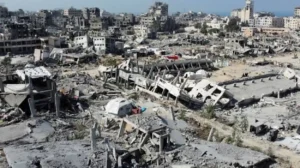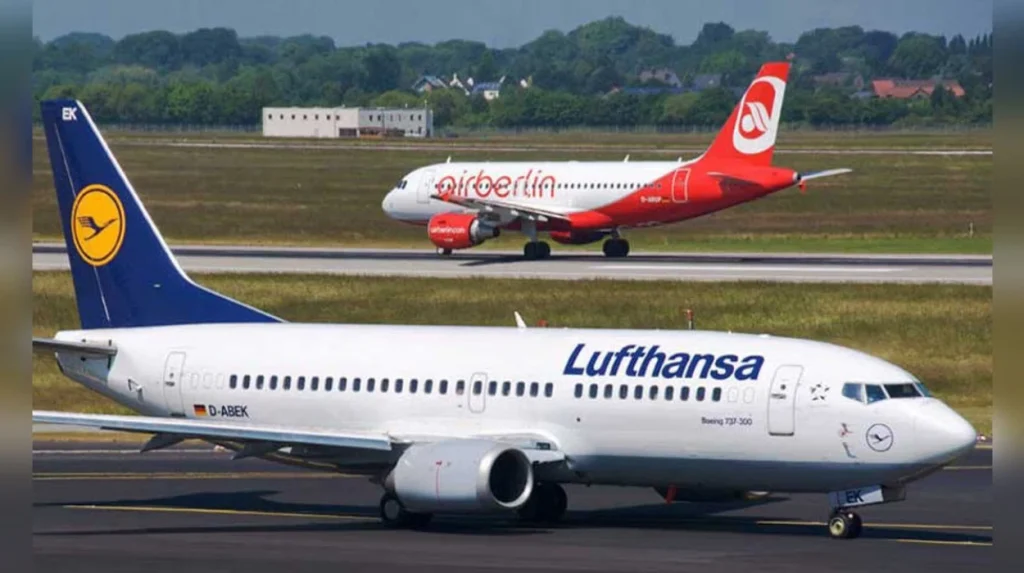
Air France-KLM flight halts to destinations including Tel Aviv, Dubai, Riyadh, Dammam, and Beirut illustrate the rapid transmission of geopolitical shocks into commercial aviation networks. The suspension, extending through followed intensified regional hostilities after US and Israeli strikes and subsequent Iranian retaliation. Airspace closures across parts of the Middle East forced carriers to adjust routing strategies, prioritizing safety while absorbing operational disruptions.
The decision reflects standard aviation risk protocols in conflict zones. When airspace becomes restricted or unpredictably contested, airlines shift schedules, reroute aircraft, or suspend services to minimize exposure. In this case, the scale of simultaneous overflight closures across multiple countries amplified the economic consequences.
Airspace Closures and Rerouting Pressures
Regional airspace restrictions across Iran, Iraq, Jordan, Lebanon, and Israel altered long-established corridors connecting Europe and Asia. These routes typically handle a significant share of Europe–Middle East passenger and cargo flows, meaning even temporary suspensions produce cascading delays.
Rerouting adds flight time, increases fuel consumption, and complicates crew rotations. Longer flight paths also affect aircraft utilization rates, reducing daily efficiency and pressuring profitability.
Passenger Rebooking and Revenue Implications
Air France-KLM has offered rebooking, vouchers, or refunds to affected passengers. While such measures comply with European passenger rights regulations, they introduce short-term liquidity strain, particularly during extended suspensions.
The Middle East represents both a premium leisure and high-value business travel corridor. Disruptions therefore affect not only volume but also yield, as long-haul and corporate segments typically generate higher margins.
Economic Ripple Effects Beyond Aviation
The impact of Air France-KLM flight halts extends beyond ticket sales. Aviation serves as an infrastructure layer for trade, tourism, and corporate mobility, and interruptions in connectivity reverberate across sectors.
The Middle East functions as a central node for Europe–Asia traffic, particularly via Gulf hubs that serve as interchange points for freight and passengers. When these nodes experience disruptions, global routing patterns adjust accordingly.
Cargo Network Reconfiguration
Dubai and other Gulf hubs process a substantial share of regional freight connecting Europe and Asia. Flight suspensions therefore affect not only passengers but also high-value cargo such as pharmaceuticals, electronics, and time-sensitive industrial components.
Cargo delays can force rerouting through alternative hubs, increasing handling time and operational complexity. For perishable goods, such adjustments may reduce shelf life and increase spoilage risks.
Trade and Just-In-Time Supply Chains
Modern supply chains rely on predictable transit times. When aviation corridors shift, manufacturers may face inventory delays or require temporary stockpiling, raising storage costs.
European exporters with strong exposure to Gulf markets can experience shipment backlogs. Similarly, Middle Eastern firms dependent on European components may encounter production interruptions.
Lessons from 2025 Regional Disruptions
The current wave of Air France-KLM flight halts reflects patterns seen in 2025 during heightened maritime and geopolitical tensions. Earlier disruptions in the Red Sea region forced airlines to adjust routes, increasing fuel burn and operational complexity.
Such precedents demonstrate how conflicts can reshape transport economics even without direct attacks on aviation assets. Overflight restrictions and regional instability alone are sufficient to alter network efficiency.
Fuel Costs and Extended Flight Paths
In 2025, rerouting around contested areas increased fuel consumption for long-haul flights, particularly on Europe–Asia routes. Even small detours can raise costs due to the high fuel intensity of intercontinental operations.
Sustained rerouting also influences carbon emissions metrics and fleet scheduling. Airlines must balance economic efficiency with regulatory sustainability targets.
Recovery Timelines from Past Crises
Historical patterns suggest that aviation recovery depends on conflict duration and airspace stability. In previous regional escalations, route normalization required weeks or months.
The longer airspace restrictions persist, the more airlines recalibrate long-term network structures rather than merely restoring prior schedules.
Broader Industry Response
Air France-KLM is not alone in suspending Middle East routes. Several European and Asian carriers have adjusted schedules, demonstrating that network disruptions are industry-wide rather than carrier-specific.
Such coordinated responses reflect shared risk assessments issued by aviation authorities and insurers. When airspace security conditions change, collective adjustments reduce exposure and liability.
Competitive Positioning and Market Share
Temporary suspensions can redistribute passenger flows among carriers operating alternative corridors. Airlines serving less-affected hubs may gain short-term volume increases.
However, prolonged instability typically suppresses overall demand, limiting potential competitive gains. Business travelers may postpone trips entirely, reducing aggregate traffic.
Alliance and Codeshare Adjustments
Airlines often rely on codeshare agreements to maintain partial connectivity during disruptions. Such partnerships allow rerouting through partner hubs, preserving some service continuity.
Yet widespread regional closures limit these options, as multiple partners may be affected simultaneously. This constrains network flexibility.
Financial Exposure and Operational Strain
Air France-KLM flight halts contribute to revenue pressure at a time when the airline industry remains sensitive to fuel prices and demand volatility. Long-haul routes are capital-intensive, and disruptions quickly affect quarterly performance.
Beyond ticket revenue, airlines face fixed costs associated with aircraft leasing, crew salaries, and maintenance schedules. When aircraft remain grounded or rerouted, utilization efficiency declines.
Cargo Revenue Sensitivity
Freight operations often provide a stable income stream during passenger volatility. However, when major cargo hubs are disrupted, this buffer weakens.
High-value goods routed through Gulf hubs may experience delays, leading to temporary contract adjustments or alternative logistics arrangements.
Insurance and Risk Premium Adjustments
Conflict-related airspace restrictions typically increase insurance premiums for operations in or near affected regions. War-risk clauses may become more prominent in leasing agreements.
These adjustments can alter cost structures across the industry, influencing pricing strategies and route viability.
Regional Economic Consequences
Middle Eastern economies rely heavily on aviation-driven tourism and business connectivity. When international carriers suspend services, visitor flows decline sharply.
Tourism-dependent cities experience immediate revenue slowdowns, affecting hotels, retail, and service industries. Business travel disruptions can delay investment meetings and commercial negotiations.
Energy Sector Connectivity
Energy companies operating in Gulf states often depend on international air links for executive travel and technical coordination. Flight halts can complicate project timelines and operational oversight.
Given the region’s role in global energy markets, any sustained connectivity disruption may indirectly influence broader economic stability.
Investment and Trade Meetings
Air access is critical for trade missions and foreign direct investment engagements. Reduced connectivity can delay negotiations or reduce participation in regional conferences.
Such effects are typically temporary but can accumulate if instability persists.
Strategic Outlook for Network Resilience
Air France-KLM flight halts highlight the importance of flexible network design in a geopolitically volatile environment. Airlines increasingly incorporate contingency planning into route architecture, enabling rapid shifts between corridors.
Diversification of hubs and partnerships may become more central to long-term resilience strategies. Multi-hub operations allow airlines to reroute traffic efficiently when regional corridors close.
Adaptation Through Alternative Corridors
When Middle Eastern airspace is constrained, carriers often rely on southern or northern detours. While longer, these routes preserve connectivity.
Sustained adaptation, however, requires careful fuel management and crew planning to remain economically viable.
Monitoring and Dynamic Decision-Making
Airlines maintain close coordination with aviation authorities, defense agencies, and international regulators during crises. Real-time monitoring enables incremental adjustments rather than abrupt system-wide changes.
This dynamic management approach reflects lessons from prior regional disruptions.
As the Iran conflict continues to shape regional airspace conditions, the duration of Air France-KLM flight halts will depend on diplomatic developments and security assessments. Whether corridors reopen quickly or require prolonged adjustments, the episode underscores how swiftly geopolitical tensions translate into measurable economic effects across aviation, trade, and tourism networks.