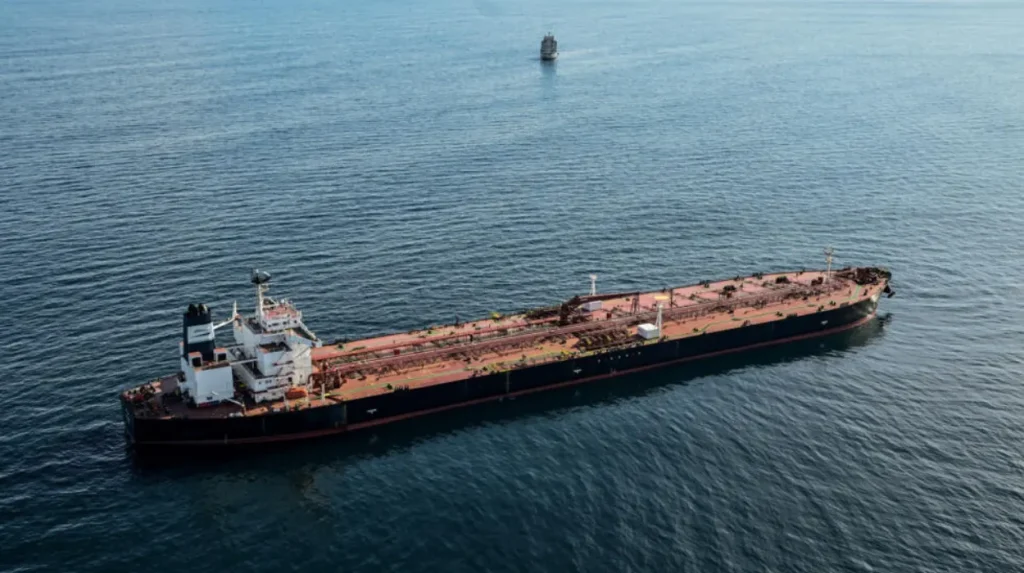
One of the most far reaching maritime enforcement actions in the recent months, was the interception of the oil tanker Grinch by France in the Alboran Sea. The French navy boarded the ship due to a suspicion that it was part of the growing shadow fleet of Russia which was a system used to bypass sanctions that were in place since the beginning of the war in Ukraine. The French government stressed that the operation took place in a manner that is compliant with the international maritime law and thus was done not as an act of aggression but as a measure of compliance.
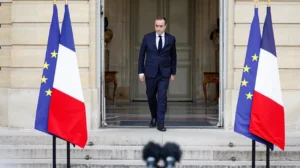
The statement of President Emmanuel Macron highlighted the determination by the state with an indication being clear that the ships suspected to be evading the sanctions would be inspected. The tanker was diverted to be investigated without any reports of injuries or environmental losses, which shows an attempt to regulate the risks of escalation and declare the enforcement power. This moderation and restraint are the key elements of the comprehension of the bigger geopolitical context.
Allegations of False Flag and Enforcement Legitimacy
The officials of France mentioned that the tanker was operating under a questionable flag, which was illegitimate after it was checked. This kind of flag-switching is typical of the shadow fleet industry where there is an opaque ownership structure and a lack of jurisdiction which makes it difficult to enforce. Boarding was limited to the law through the aspects of compliance and verification instead of territorial claims.
France reinforced the message that actions of enforcement are the actions against violations of regulations and not national identity by publicly confirming the exposure of the vessel to sanctions. This is a framing that aims to reduce the rise of diplomatic tensions and tailor it to alignment with international sanctions regimes.
Allied Coordination and Operational Scope
It was reported that the operation was coordinated with the allied partners, one of whom was the support of the United Kingdom. It has become more applicable in Mediterranean enforcement operations by multinational cooperation, especially when shadow fleet vessels are transferring routes out of Northern waters which are heavily monitored. The interception indicates that enforcement has moved beyond traditional chokepoints.
The coordination is also an indicator of a greater Western policy to stifle the Russian sources of maritime revenues. France and its allies are expanding the range of sanctions enforcement to operational sea routes that have in the past been subjected to minimum intervention by attacking non-port vessels instead of solely attacking vessels at ports.
Russian Security Personnel and Escalation Thresholds
The fact that the Grinch has Russian security officers on board also complicates the incident. Reports that two Russian nationals were in the crew indicate that also the shadow fleet has started to deploy their own or affiliate security teams to prevent inspection or attempts to board their ships. This is one of the developments that can be attributed to increased pressure of enforcement.
There is also the question of escalation thresholds as a result of the inclusion of Russian security staff. Although their presence does not change the legal ground on the basis of checkup, it might affect diplomatic response and consular involvement. These situations add new layers to the procedure, and could delay the solution to a problem and make it more sensitive to the international community.
Diplomatic Reactions and Rhetorical Escalation
Similar interdictions have been described by past statements of Moscow as unlawful seizures. Russian leadership in previous commentary has characterized enforcement against shadow vessels as the same as piracy, which creates an indication that it is willing to challenge legitimacy narratives. These rhetorical theories influence the anticipation of a Russian response, diplomatically or operationally.
The fact that Russian security personnel are in the country would probably heighten such tensions, as Moscow might claim that its citizens need direct access to the consul and security measures. Although France has already mentioned that the boarding was in line with maritime norms, the diplomatic part will most probably be played via official channels.
Legal and Operational Implications
International maritime law sets certain compliance standards in regard to boarding activities in international waters. The rationale of France was focused on sanctions, and checking the identity of the vessels. But, the legal aspect of the situation is complicated as the crew members belong to one of the world giants who has always been able to challenge such behavior.
The management of the captain and members of the crew of the vessel will also be an area of procedural scrutiny. The result of inspections and documentation examinations will convert into the possibility of subsequent legal action or fines.
The Shadow Fleet and Sanctions Adaptation
The shadow fleet of Russia has grown significantly after the escalation of sanctions. Hundreds of tankers are estimated to be part of the network in reflagged registries with opaque ownership structures. These ships carry crude oil which forms a major part of the fiscal incomes of Russia.
The case of the development of this fleet shows that the regime of sanctions creates adaptive reactions. Ships are regularly renamed, reinsured, and the beneficial ownership structure is altered in order to minimize traceability. With this system, it is possible to continue exportation even when there are price caps and embargoes.
Revenue Flows and Strategic Financing
The central budget of Russia and its military spending are still based on oil revenues. The shadow fleet assists in the preservation of finances by keeping the export routes open in Western restricted maritime channels using alternative routes. Measures like seizure of the Grinch to intercept these routes are meant to interfere with them.
Attacking transit vessels makes the process of evading sanctions more expensive. And this is also an indication to insurers, port authorities and middle-man brokers that compliance oversight is becoming more stringent under various jurisdictions.
Mediterranean Route Significance
The change in the enforcement geography can be seen in the Alboran Sea location. With the increased monitoring of the northern European waters, more and more of the traffic of the shadow fleet was forced southwards. This geographic diversification makes it more difficult to enforce but it also expands the area of allied cooperation.
The Mediterranean intervention by France complements the Western wide maritime surveillance. This expansion of inspections to this corridor is an attempt by authorities to seal the loopholes in the implementation of sanctions.
Geopolitical and Strategic Implications
The interception is not limited to the enforcement on the spot. It reaches on the NATO cohesion, transatlantic coordination and the maritime stability at large. The solid position of France supports compliance with the frameworks of allied sanctions, which add to the coordinated pressure on Russia.
There is also the overlap of the operation into energy market dynamics. The volatility of oil prices can be affected by any view that there is a heightened maritime risk. Although the actual event was not disruptive, such activities in future will impact freight charges and shipping insurance rates.
Alliance Coordination and Policy Convergence
The posture adopted by France is in line with the wider Western goals to curb Russian funding of the war. Co-ordination between allies increases the effectiveness of sanctions regimes through the ability to show commitment. This kind of cooperation minimizes regulatory arbitrage.
Nevertheless, strengthened enforcement also presupposes long-term intelligence sharing and sea patrol. The long-term success will be based on the regular coordination among jurisdictions and legal structures.
Risk of Countermeasures
The issues of escalation are connected with the asymmetric responses. Russia can seek diplomatic protest, cyber attacks or rerouting measures in reaction to ship seizures. The maritime conflicts may easily escalate to wider strategic conflicts unless well handled.
Concurrently, enforcement actions indicate the existence of compliance mechanisms which are in place and active. This can either discourage future offenses or make the shadow fleet operators run at higher costs.
Broader Sanctions Environment and Enforcement Trends
The interception fits within a wider pattern of expanded sanctions enforcement in 2025 and beyond. Western governments have increasingly targeted maritime logistics as a pressure point. This includes enhanced monitoring of insurance compliance and ship-to-ship transfers.
The growth of guarded vessels reflects an adaptation to inspection risks. The deployment of security personnel onboard may become more common as enforcement intensifies. Such developments could redefine norms around commercial shipping in contested geopolitical environments.
The balance between deterrence and escalation remains central. France’s approach emphasizes legal compliance while signaling willingness to act decisively. The outcome of this case will likely influence future enforcement decisions in Mediterranean waters.
As investigations proceed, the strategic question remains whether maritime enforcement will meaningfully disrupt sanction-evasion networks or instead accelerate adaptation within Russia’s shadow fleet. Observers will be watching closely to determine whether this intercept marks a sustained turning point in Mediterranean enforcement or simply another phase in an evolving contest over maritime economic pressure.