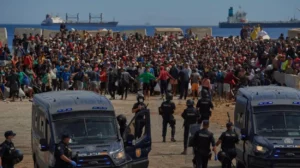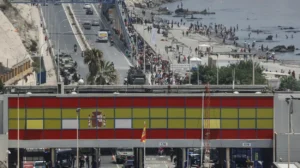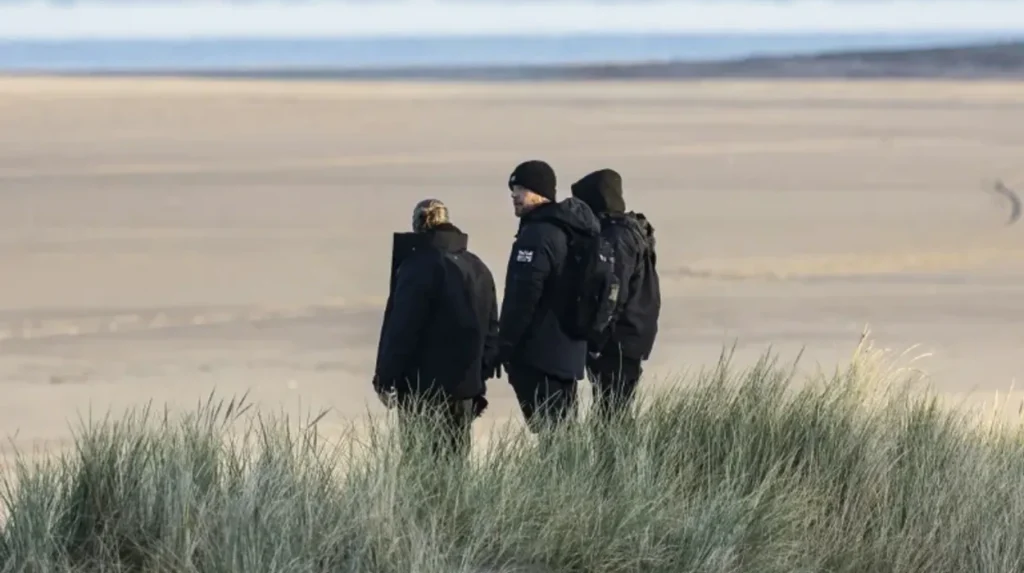
Once again, the French government has resorted to an interdepartmental decree to ban the “Overlord” protest organized by the far-right vigilantes for Saturday. Such actions by the French government show the growing concerns about the rise of far-right vigilantes along the French coast. Raise The Colours, a far-right extremist group based in the UK, has planned to coordinate a move to “replace the French police” by stopping the migrants heading to the UK. Such actions on the part of the far-right vigilantes have crossed the political activism border to enter the realm of criminal activities.
A Growing Pattern of Far-Right Intimidation
French local governments in different prefectures have repeatedly reported the presence of far-right activists from Britain in the northern coast regions. Some of the regions include Dunkirk, Calais, Boulogne Sur Mer, Montreuil Sur Mer, and Lille. The activists have been reported for intimidating migrants, harassing humanitarian organizations with aggressive conducts online and via other social media platforms. This is not the first reported case. The ban has been issued as a result of a series of far-right agitations and violence recorded over the area.
Why Authorities Banned “Overlord”
The French prefectures justified the ban on the grounds of clear risk of public disorder, threat to the safety of migrants and residents, potential clashes between far-right activists and migrants, and direct intent to substitute state authority with vigilante action. The authorities have announced that law enforcement will be fully mobilized to enforce the ban and protect migrants, including the forced escorting of identified activists back to the border.
Operation “Overlord” — A Symbolic and Dangerous Provocation
The name “Overlord” is also seen as a reference to the Battle of Normandy in France (1944) during World War II, when Allied Forces crossed into France to free it from German oppression. This name also gives us insight into extremist ideology and activities under this umbrella since it seeks to portray this extremist movement as going on a sort of “rescue mission,” when in fact what they aim at is stopping and intimidating the migrants who are either helpless or otherwise. The decree quoted in this report also indicates that these extremist activists sought to replace the police authorities in France with a view to stopping migration into the UK. This is illegal and extremely dangerous behavior in any free society.
Escalation of Hostility and “Border Vigilantism”
Moreover, on January 13, ten British far-right extremists were banned from French territory on charges of carrying out aggressive acts against immigrants. This is an indication that the French government is dealing with a situation where aggression is systemic rather than dealing with a protest. Further, there is a suggestion of division within Raise The Colours, with a radical splinter faction headed by Daniel Thomas, one of those involved with the banned rally. This is another alarming situation because when radical movements split, the more radical faction is more aggressive and hard to control.
Why This Matters — Human Rights and Rule of Law
The attempt to “replace police” is not merely symbolic; it represents a dangerous drift toward extrajudicial enforcement, which undermines rule of law, state sovereignty, human rights protections, and international humanitarian standards. France’s decision to ban the event is therefore a necessary defense of democratic order. The state cannot allow private groups to conduct border policing or enforce immigration policy.
The Human Cost
The coastal region is already a humanitarian crisis zone, with migrants facing harsh weather conditions, smuggling networks, physical violence, and systematic harassment. Allowing far-right activists to intervene would only worsen the humanitarian crisis and increase the risk of injury or death among migrants.
The “Overlord” demonstration was not a simple protest; it was an organized plan for vigilante enforcement, backed by far-right ideology and a clear intention to provoke violence. The French authorities acted correctly in banning it, and the decision highlights a broader issue: the rise of far-right cross-border activism and the danger it poses to migrants and democratic institutions.