France has publicly condemned the Iranian government’s use of deadly force against anti-regime demonstrators, joining other European leaders in criticizing Tehran’s crackdown.
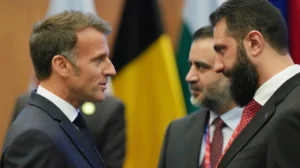
- French President Emmanuel Macron denounced “state violence” targeting Iranian protesters, emphasizing that respect for fundamental freedoms is a universal requirement and expressing solidarity with those defending their rights.
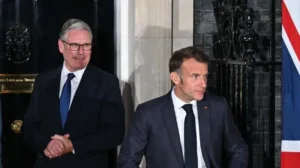
- France, along with the United Kingdom and Germany, jointly condemned the “killing of protestors” and urged Iranian authorities to exercise restraint in handling the unrest.
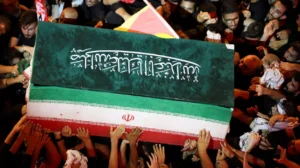
These statements underscore a clear diplomatic rebuke by Paris of Iran’s security forces’ actions, particularly amid reports of hundreds of deaths and thousands of arrests during demonstrations that began in late 2025. Independent monitors and rights missions have described these crackdowns as involving disproportionate force and human rights abuses.
Human Rights and Diplomatic Messaging
France’s foreign ministry has also responded to Iran’s own criticism of Western protests and rights critiques, defending its positions and spotlighting Tehran’s poor human-rights record.
Historically, Paris has stressed that Iran must respect peaceful protest and fundamental human rights—calling out executions and mistreatment of demonstrators as unacceptable violations.
While France condemns violence, it also advocates diplomacy over escalation with Iran. Paris has previously emphasized that negotiation remains the only viable path for addressing broader tensions, including nuclear and regional security issues, rather than military confrontation.
In earlier rounds of nuclear talks with Iran, France and its European partners (E3: France, Germany, UK) tried to engage Tehran and mitigate conflict, though progress stalled amid mistrust and geopolitical tensions.
U.S. Signals Potential Military Options
Against the backdrop of intensifying protests and brutal crackdowns, U.S. President Donald Trump and senior administration officials have publicly signaled that military options are on the table.
- The White House stated that Trump is “ready to use military force on Iran” if deemed necessary, though diplomacy remains the preferred route.
- Trump has also publicly voiced support for Iranian protesters, indicating that “help is on its way” and warning Tehran of consequences for violent repression.
News reports indicate that Trump is actively weighing strong options, including potential strikes, in response to Iran’s crackdown on protesters and broader threats posed by Tehran’s activities.
Strategic and Political Context
The discussions around potential U.S. military involvement arise at a moment of heightened tension:
- Iran’s leadership has warned that any foreign military action would be met with retaliation, branding U.S. and allied sites as legitimate targets if attacked.
- Tehran’s government describes foreign intervention as unacceptable interference in its internal affairs, vowing preparedness for conflict.
These dynamics reflect a perilous escalation risk, where diplomatic channels and political incentives are strained between Washington and Tehran.
France’s response to Iranian repression strongly emphasizes human rights and universal freedoms. Vatican-style appeals to restraint and respect for protest rights frame much of Paris’s public messaging, aligning with broader European concerns.
Aversion to Military Escalation
Unlike the more hawkish language from Washington, Paris has consistently pushed for diplomatic solutions even amid heightened crises:
- French officials have stressed that negotiation—not force—remains the responsible pathway to address not just the current crisis but Iran’s nuclear ambitions in the long term.
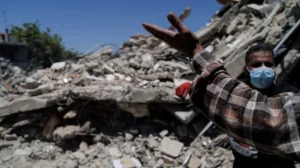
- France previously expressed concern over U.S. strikes on Iranian territory as potentially destabilizing and urged restraint from all parties.
This cautious stance reflects France’s broader strategic calculus: supporting international norms and human rights while avoiding an outright military confrontation that could spiral into wider regional war.
European Allies & International Law
France is part of broader European Union efforts that combine condemnation of human-rights abuses with pushback against militarized solutions. EU diplomacy—often in coordination with the UN—seeks to mobilize sanctions and diplomatic pressure rather than encourage U.S. strikes.
Geostrategic Risks
Should the U.S. pursue military action and France remains opposed or cautious, this could strain trans-Atlantic coordination and raise complex questions about:
- International law and the legality of strikes without UN mandate,
- Civilian safety and humanitarian consequences,
- Long-term stability in the Middle East.
In sum, France condemns Iran’s crackdown and calls for respect for rights, but simultaneously advocates for diplomacy and cautions against the very military options that the United States is publicly discussing.