France’s decision in late November 2025 to authorize maritime gendarmerie units to intercept small boats before departure reflects a strategic shift shaped by unprecedented migration pressures. The policy adjustment followed UK Prime Minister Sir Keir Starmer’s written warning to President Emmanuel Macron that current deterrence mechanisms were not preventing departures. The scale of 2025 crossings reinforced the urgency: nearly 40,000 people reached the UK by small boat, already exceeding the previous year’s total, while mid-year figures surpassed 16,500, representing a 45 percent rise from comparable 2024 periods.
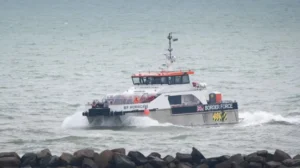
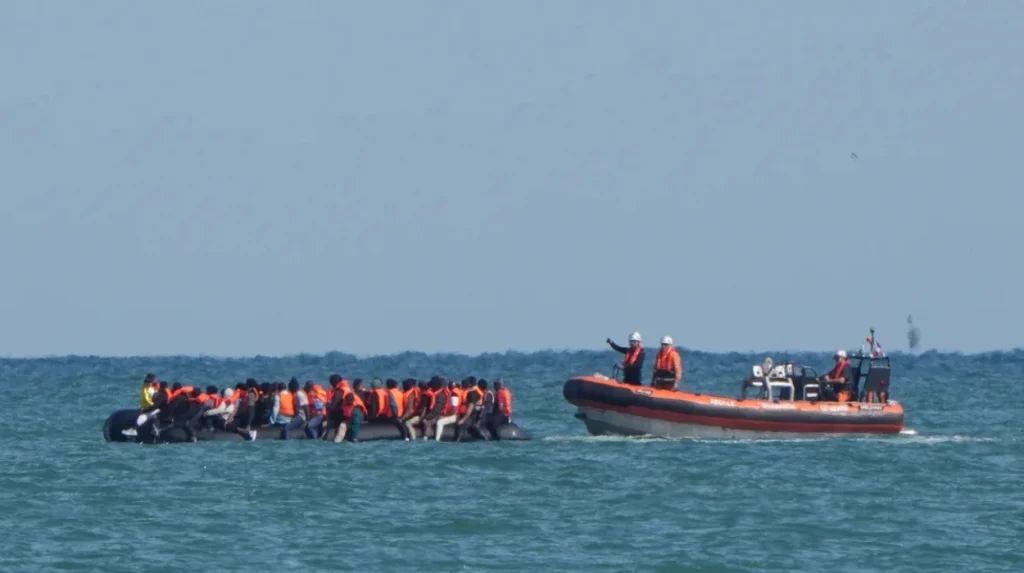
French maritime units now issue verbal stop orders, immobilize suspect craft, and attempt diversions before boats leave shallow waters. Heavy winds repeatedly delayed early operations, and the French government confirmed that nets or entanglement devices were explicitly ruled out because of safety risks. Officials emphasized interventions would apply only to empty vessels, with the priority remaining life protection and prevention of hazardous at-sea chases.
Evolution Of Interception Tactics Under Bilateral Pressure
France’s early-2025 shallow-water interception plan faltered during domestic political strains, limiting capacity to respond to escalating departures. By June, new permissions extended enforcement within 300 meters from shore as crossings surged 42 percent. July saw an experimental “taxi boat” strategy targeting vessels that picked up waders moments before departure, but smugglers exploited shoreline gaps and timed launches to avoid patrols. September’s protocols introduced a more assertive model similar to operations around Mayotte, enabling boarding of outbound craft before they passed into deeper, risk-heavy waters.
Operationalization Of The UK-France Treaty In 2025
The August 6 “Dangerous Journeys” treaty added another layer to the tactical landscape. It created a “one-in, one-out” system allowing the UK to return irregular arrivals to France while accepting an equivalent number of legally sanctioned migrants. Detentions began on September 2, although returns required post-arrival checks and verification from both sides. Starmer pressed for accelerated deployment, arguing that consistent enforcement needed to be in place by November when crossings typically surge due to calmer weather windows.
Safety Concerns Temper Tactical Advancements
Humanitarian groups expressed immediate reservations about the new approach. Care4Calais CEO Steve Smith warned that “interceptions at sea remain among the most dangerous moments of attempted crossings,” adding that even trained responders face unpredictable conditions. France previously restricted maritime pursuit to cases of imminent peril because of the historical risks tied to confrontations with overloaded inflatable boats. July’s leaked documents revealed that attempts to disable vessels by cutting inflatable chambers had not reduced UK arrivals, prompting doubts about the viability of methods that increase instability.
Precautionary Measures In Operational Protocols
French authorities outlined strict precaution standards to mitigate danger. A dedicated rescue vessel accompanies each operation, and teams avoid engaging with occupied boats. UK officials reported continuing joint assessments of shallow-water intervention rules and acknowledged that even improved coordination cannot fully eliminate risks created by sudden weather shifts, vessel overcrowding, or tactical maneuvers by smugglers seeking to trigger rescue obligations.
2025 Channel Crossing Trends Intensify Policy Urgency
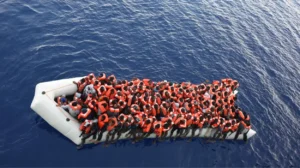
The summer of 2025 set new records, with more than 1,700 crossing attempts logged in a single week of June. Dense passenger loading, narrow launch windows, and the use of sturdier inflatable designs contributed to the volume. Home Office figures indicated consistently high throughput into November, prompting renewed Franco-British discussions during regional security forums.
Smuggling groups adopted wading tactics, escorting groups from wooded staging points to the shoreline to minimize the time vessels remained visible to drones or patrols. French officials described the trend as a “moving border,” arguing that each new tactic forced reactive policy shifts and justified expanded maritime powers.
Franco-British Coordination Under Renewed Political Pressure
Macron highlighted the need for stronger joint capabilities during his 2025 UK state visit, referencing several recent coordinated stops in northern coastal zones. The French interior ministry attributed rising crossings to increasingly sophisticated smuggling operations that exploit gaps in local patrol coverage. Meanwhile, UK officials noted logistical strain from detaining arrivals under the new returns treaty and called for speedier French verification steps to manage holding capacities.
Bilateral Dynamics And Operational Challenges
French enforcement posture hardened following governmental instability earlier in the year, when regional prefectures saw fluctuating leadership and budget constraints. Former Interior Minister Bruno Retailleau, who returned to heightened public visibility in mid-2025, pushed for a more assertive cross-Channel stance amid increasing scrutiny from local authorities in Calais and Dunkirk. In the UK, No 10 confirmed that Starmer and Macron held regular calls throughout autumn to align migration measures, with the Channel repeatedly described as a “shared operational burden.”
Environmental And Logistical Factors Complicate Implementation
Heavy winds across the Channel in October and early November hampered France’s ability to execute consistent maritime operations. Officials reported multiple instances where planned interceptions were delayed or redirected due to safety calculations. Despite these constraints, more than 31,000 individuals had already reached England by September 2025, reinforcing the political pressure surrounding the new bilateral strategy.
France’s maritime police also faced staffing shortages, requiring shifting personnel from other coastal regions. UK observers noted that even minor disruptions such as equipment malfunctions or delayed fuel deliveries for patrol craft—could reduce operational windows enough for smugglers to advance departures unnoticed.
Balancing Tactical Gains Against Emerging Humanitarian Risks
The tactical evolution embodied in the France Channel boat deal marks a shift from reliance on beach patrols toward deterrence through pre-departure at-sea action. Yet operational guidelines tightly restrict interventions to empty vessels, acknowledging the limits of enforcement without increasing drowning risks.
As 2025’s record crossings intensify political incentives for tougher policies, both governments confront the unresolved question of whether incremental tactical gains can withstand the pace of smuggler adaptation. The next phase of Channel cooperation may hinge on whether emerging enforcement methods meaningfully alter crossing patterns or simply prompt a new cycle of responses shaped by the evolving dynamics of the Channel’s migration routes.