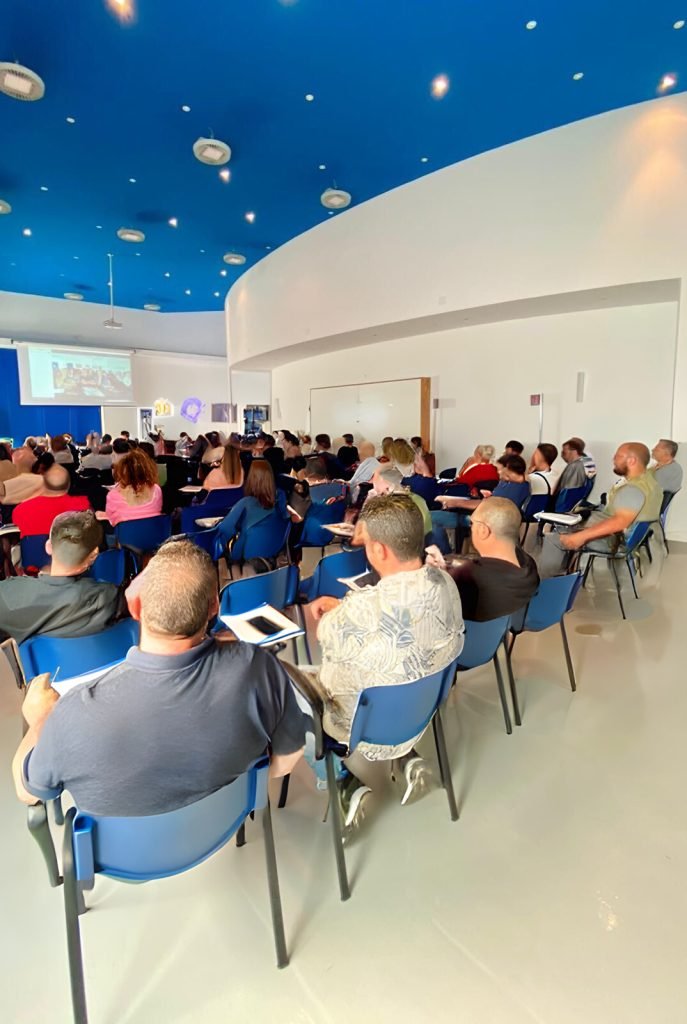
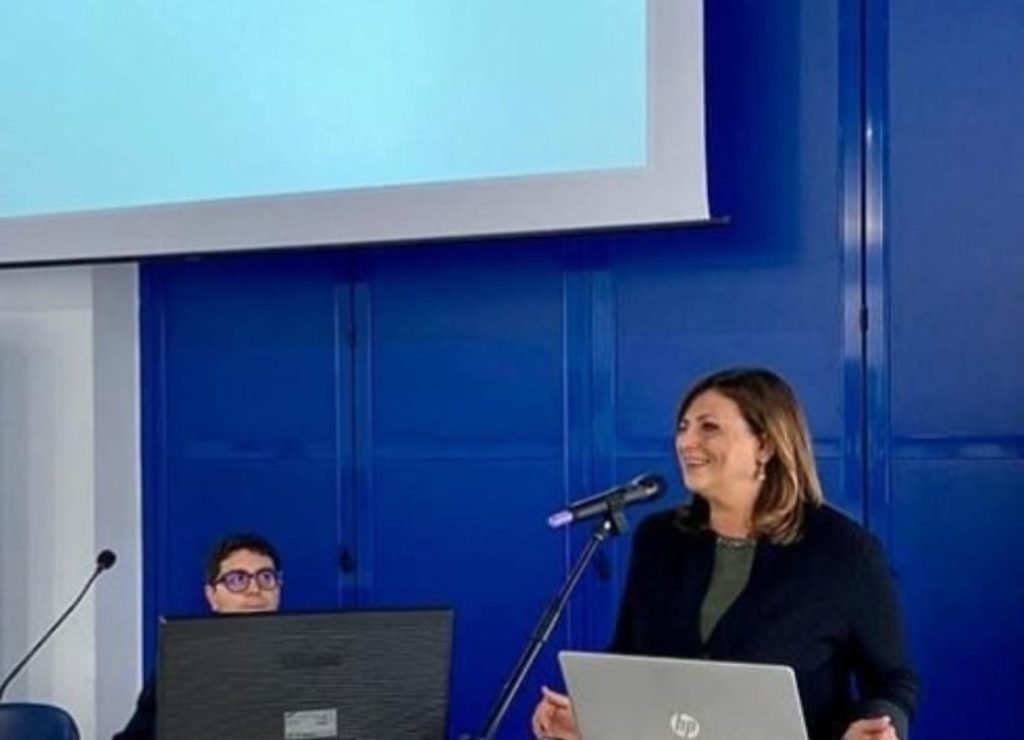
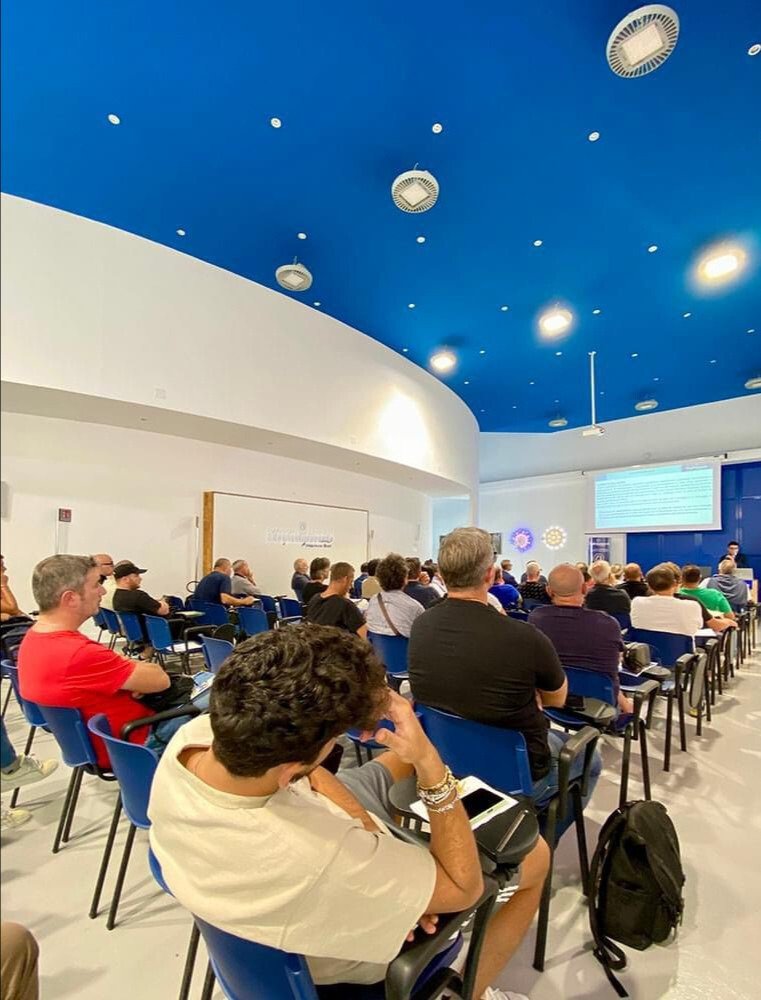
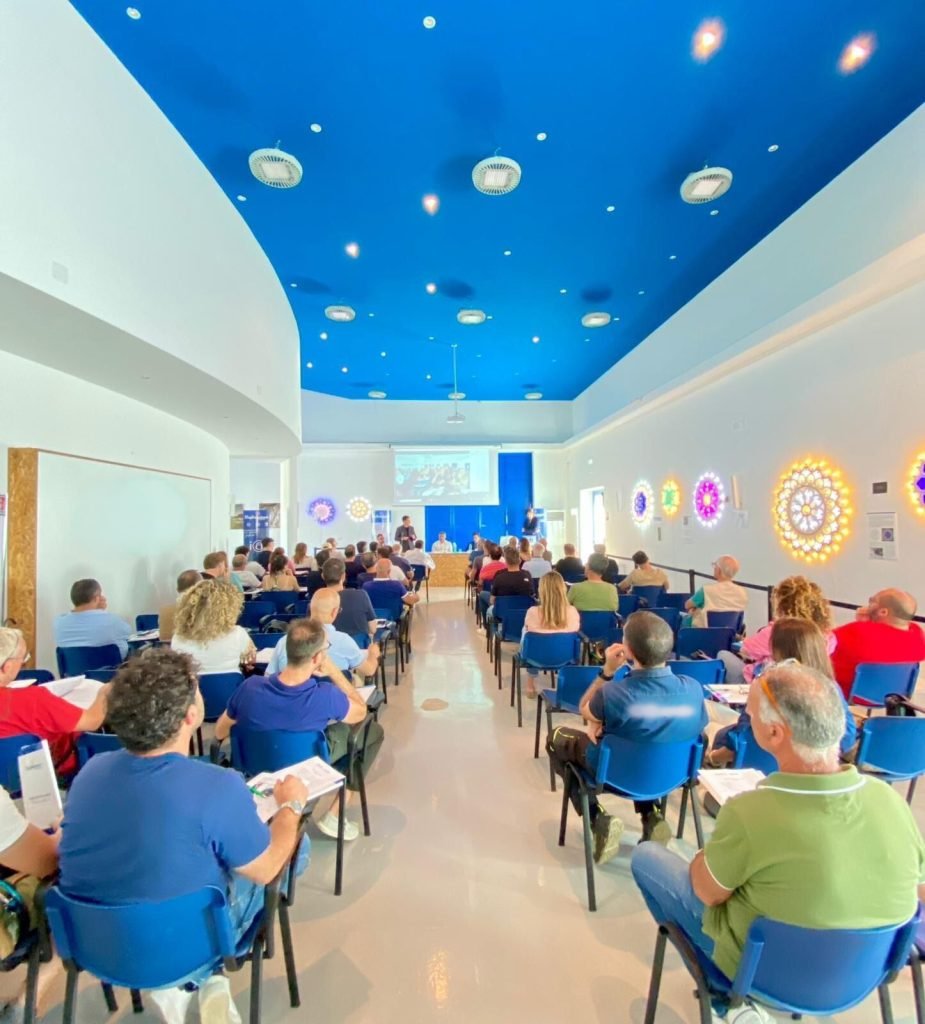
The Strasbourg Policy Center hosted a noteworthy event titled “Democracy Empowerment in North Africa – How Europe Can Help Achieve Real Democracy.” The event took place on Sep 26th, at 11 am. It delivered much time for in-depth analysis and debate. The Panel of Distinguished Guest Speakers included Giuseppe Galli, Nunzia Cuffaro and Gianluca Poeta.
Speakers embarked on a critical examination of the present status of Democracy in North Africa. The discussions illustrated how Europe can help Africa to achieve real democracy. The event caught commendable participation from attendees. It echoed the widespread recognition of its significance in addressing pressing global matters. Furthermore, the public reaction to the event was overwhelmingly promising.
The Middle East and North Africa remain the least democratic parts of the world. It is the region with the most extensive share of authoritarian regimes, seven of which are the most regular such regimes in the world, countries that have never changed to regime type. Despite this context, governments have transitioned to democracy without encountering hybridity as part of the transition. Of the five countries that have become a democracy at some point (Lebanon in 2000, Iraq in 2005, Libya in 2012, Sudan in 1986, and Tunisia in 2011), three have preserved their status as democracies (Iraq, Lebanon, and Tunisia).
Recently, there has been an incremental decline in the quality of democracy in North Africa. Despite significant improvement since the third wave of democracy in the 1990s, the number of democracies dropped from 22 to 18 between 2015 and 2020. One key challenge is the uncontrolled powers of incumbents to influence reform processes to extend their stays in power.
In most African countries, standard elections remain the norm for the transfer of power. Amidst the pandemic, election management bodies (EMBs) acclimated to the rising health and safety challenges, demonstrating resiliency and flexibility. Moreover, EMBs ensured that most national and/or subnational scheduled elections remained on course.
Support for democracy is a central feature of Europe’s cooperation with Africa, and of EU development assistance to the continent, under the different frameworks shaping connections with African countries, such as the ACP framework for Sub-Saharan Africa, the Neighbourhood Policy for North Africa, and the Africa-EU Joint Strategy for cooperation at continental level. Europe’s support is all the more significant as democracy in many African countries is recent and still delicate.