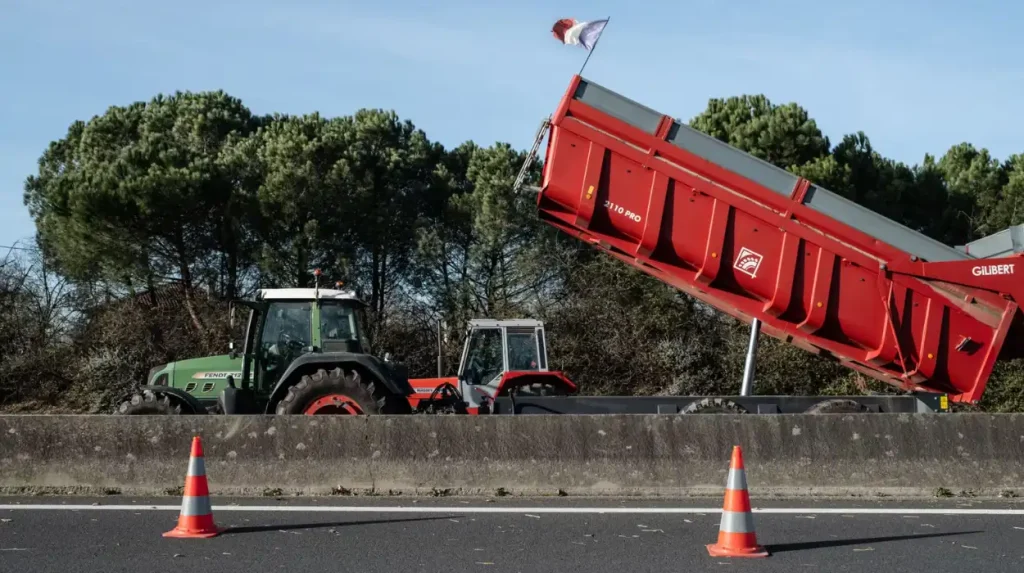
Farmers across France started protesting during the first months of 2026 because they face major financial difficulties, reduced government support, and believe current environmental regulations create excessive burdens on their operations.
The French agricultural policy has experienced numerous rural uprisings, which have shaped its development throughout the past decades. The current movement has gained national attention through its combination of tractor blockades and government building protests. Crop burning demonstrations echo past rural uprisings in France.
What are the main grievances driving the protests?
French farmers experience various issues which go past their negative views about the current economic state. Small and medium-sized agricultural operations face challenges in reaching profitability because market prices for their products remain unstable while their expenses for machinery, fuel, and fertilizers keep rising.
Strict environmental regulations exacerbate these difficulties. The perception exists that farmers face more severe impacts from national and EU regulations about nitrogen emissions, pesticide controls, and big agribusinesses find it easier to meet these requirements.
The Common Agricultural Policy (CAP) distribution of subsidies creates a major problem because demonstrators argue that the current system does not provide enough support for farmers who want to transition to sustainable agriculture.
How are the farmers organizing their protests?
The organization of these protests heavily depends on unions and associations such as Jeunes Agriculteurs (Young Farmers), and FNSEA (Fédération Nationale des Syndicats d’Exploitants Agricoles). Through tractor blockades on rural highways and main roads, farmers block traffic to draw media coverage.
They frequently use protests outside regional prefectures and government buildings to make their demands known. The emotional and financial costs of their profession become evident through their symbolic actions of milk pouring and hay bale burning. The current activism movement unites standard protest methods with digital outreach through social media campaigns. Activists use these to promote rural issues and gain public support.
What historical context explains France’s recurring agricultural protests?
French farmers have been involved in activism for many years. Rural movements during the 1960s and 1970s succeeded in bringing about major policy transformations through their demands for increased dairy and cereal prices. The rural population demonstrated their resistance against bureaucratic oversight through their 1990s demonstrations. These opposed both EU integration and CAP reform plans.
Farmers organized large-scale road blockades and strikes during 2009 and 2015 as they fought against declining commodity prices, pesticide regulations, and foreign competition. The historical record shows rural areas continue to view direct action as an effective method to protect their way of life and shape government decisions.
What role do environmental regulations play in fueling discontent?
French farmers face major challenges because of the present environmental rules. The current system needs these regulations to function properly but it lacks sufficient funding to make them work. The cost of implementing restrictions on nitrogen emissions, pesticide use, and biodiversity protection falls mainly on small farms because big agribusinesses can handle these expenses more easily.
Environmentalists maintain that sustainable farming serves as a vital solution to stop climate change while safeguarding both biodiversity, soil, and water resources. The main reason for the ongoing demonstrations stems from the disagreement between protecting the environment and maintaining financial stability.
How does the European Union influence France’s agricultural policies?
The Common Agricultural Policy (CAP) of the EU continues to be a pillar of French agriculture, influencing subsidies, pricing, and output. The Common Agricultural Policy (CAP) enforces regulations for food safety, environmental protection, and animal welfare standards while providing financial support to maintain farm income and support sustainable agricultural methods.
Many farmers believe that CAP funding distribution remains unjust because it provides more advantages to big corporate farms while creating obstacles for small farms to meet regulations without adequate financial support. The combination of domestic enforcement and EU directives creates pressure points, which lead to the start of protests.
What are the economic and social implications of these protests?
The protests have brought about major social changes which have created substantial economic impacts. Food transportation delays from road blockades create temporary supply chain disruptions. These affect markets, retailers, and their customer base. The government faces rising political pressure which forces them to discuss exemptions, tax breaks, and subsidies.
The public remains divided because urban citizens show empathy toward farmers yet others find road obstructions and economic disturbances to be frustrating. The demonstrations expose multiple structural problems which exist within the French agricultural system. This leads to doubts about how to protect rural farming operations while meeting environmental standards and European Union requirements in a sustainable manner.
How has the French government responded?
The government implemented various regulatory measures along with negotiation processes to address the problems that farmers have reported. Officials have engaged in direct discussions with farmers’ unions to explore potential expansions of emergency relief funding, and subsidy programs. Short-term financial support has been given to cover the losses which result from natural disasters.
The agricultural sector receives support through modernization programs and advisory services, which help farmers adopt sustainable farming methods. The government has introduced various programs, but farmers maintain their skepticism because they believe these efforts will disappear quickly without resolving fundamental structural problems.
What are the prospects for resolution?
Multiple opposing interests need to reach equilibrium before the protests will come to an end. The government should update subsidies and change environmental regulations to provide tax incentives, which would help reduce societal tensions. Including rural communities in policymaking leads to equitable, and inclusive reforms because it provides these areas with decision-making power.
Sustainable farming methods would become more accessible through financial support, technological resources, and educational programs which help small and medium-sized farms continue their operations. The ongoing market instability, together with climate challenges, will lead to escalating protests until these core issues receive proper solutions.