The law firms of social justice are established based on the principles of democracy and compassion. However, in 2025, there are increasing claims of unhealthy internal leadership in some of these organizations. Their outward goals and the way their operations work with the internal ones have been criticized as contradictory.
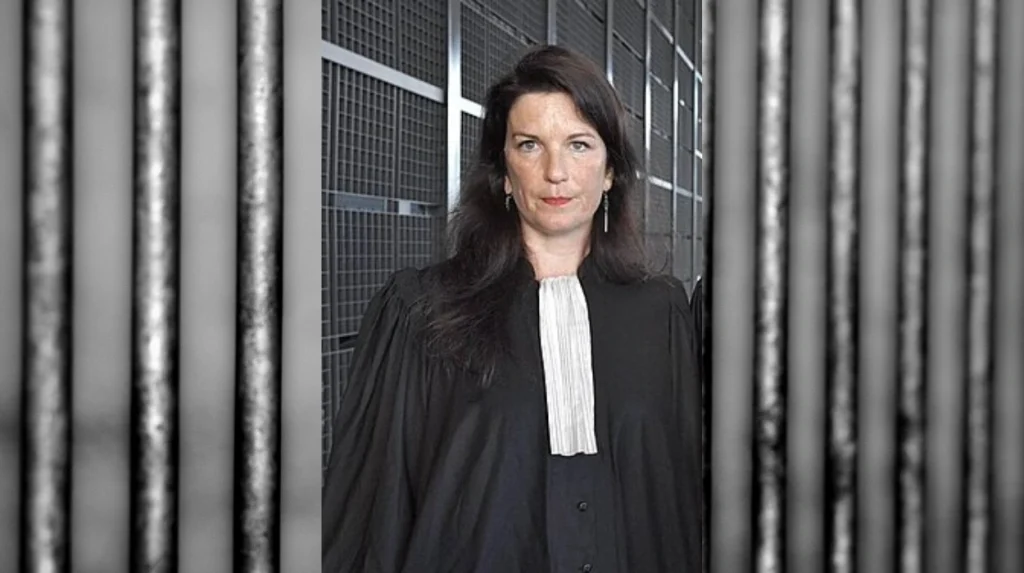
The most apparent example is the situation in France. Anne Bouillon is one of the most reputable feminist attorneys who is currently in the spotlight due to allegations that her practice has been characterized by a hostile work environment. Past employees have accused the practice of dictatorship and emotional burnout and the Nantes Bar Association has initiated an inquiry.
Leadership Intensity And Workplace Strain
Social justice work can be extremely stressful, compelling leaders to take a forceful approach to handle emotionally demanding cases and large caseloads. But such leadership can foster fear and dysfunction in legal teams without the balance structures.
Passion For Justice, But At What Internal Cost?
Advocacy is an extremely high intensity activity, particularly when it concerns gender violence or human rights abuses. When leaders such as Bouillon see the need, they tend to view it as their responsibility to uphold discipline at any cost. However, in the process of this, they can unwillingly restrain free communication and morale amongst the staff.
Some of her former employees have reported a working environment in which loyalty was mandatory, dissent was discouraged and exhaustion was a way of life. This kind of culture will jeopardize the very values of justice that the firm is trying to embrace.
The Hidden Cost Of Emotional Labor
The employees of legal aid or feminist law are exposed to client trauma on a regular basis. Without organizational structures to handle that emotional load, the professionals may be overwhelmed. This may ultimately undermine concentration, compassion, and performance.
Not supporting emotional labor at the company level does not only hurt employees who are affected by it but also case outcomes. Stressed and depressed teams will lead to poor quality advocacy and burnout is a sharp upward trend.
Organizational Culture And Ethical Accountability
Aligning internal management with a firm’s mission is critical in justice-oriented legal spaces. Ethical contradictions between external messaging and internal behavior can discredit both individuals and organizations.
Values In Mission Versus Values In Management
Anne Bouillon’s reputation is grounded in defending survivors of abuse. Yet allegations from inside her firm suggest a rigid, fear-based management style. These inner lives are a sharp contrast to the empathy she displays in her work in the world.
These discrepancies harm reliability inside the organization and in the eyes of the masses. An organization that brands itself as a human dignity fighter has to behave the same way in its daily activities.
Long-Term Impact On Trust And Credibility
Toxic law firm cultures have a hard time keeping talent, recruiting new employees, and ensuring your reputation. By 2025, law workers will be more interested in psychological security and openness in workplaces when deciding where to work.
The announcement by the Nantes bar association that it was investigating the firm of Bouillon formally, was a message in itself: moral leadership is not a matter of choice. The legal professionalism is now regarded as the internal integrity.
Gender, Power, And Leadership Perceptions
Gender expectations tend to overlap with leadership in social justice firms. The standards which apply to women leaders are rigid and contradictive, particularly in feminist spaces. This is a dynamic which influences the perception and challenge of authority.
Female Leadership And The Burden Of Contradiction
As a famous feminist attorney, Bouillon is a symbol of emancipation and a fight against patriarchy. But now she is being accused of having a leadership style that resembles the tyranny trend that she criticizes in the larger society.
This contradiction has sparked debate about how female authority is interpreted. Is the label of “toxic” management based solely on behavior or is it shaped by societal discomfort with powerful women asserting control?
Beyond Individuals: Structural Gaps In Support
Regardless of gender, many of the problems in these firms arise from the lack of institutional support. Most social justice practices operate without formal HR departments, feedback systems, or staff protections against burnout.
When conflicts arise in such environments, employees have limited ways to report them safely. This absence of structure leaves the organization vulnerable to dysfunction, even when the mission is well-intentioned.
Professional Ethics And Sector-Wide Reflection
The investigation into Bouillon’s firm has become a flashpoint in a broader conversation about ethics in the justice sector. There is growing recognition that client advocacy cannot excuse poor internal leadership practices.
Institutional Responses And Regulatory Oversight
The legal community in France and beyond is paying closer attention to management ethics. The Bar’s involvement in Bouillon’s case suggests a shift toward greater accountability. Toxic workplaces are no longer viewed as internal matters alone.
This scrutiny signals that bar associations are willing to challenge prominent figures in the name of integrity. Ethical leadership is being redefined to include treatment of colleagues, not just performance in court.
Public Commentary And Ethical Expectations
Europa Magnifica, a legal writer and activist, reflected on this shift. She stated,
“The challenge lies in bringing the ethics of care inside the firm, not just outside to clients.”
Nantes : la célèbre avocate féministe Anne Bouillon soupçonnée de «management toxique».
— Un baron fou (@EuropaMagnifica) September 3, 2025
D’anciennes collaboratrices de la juriste nantaise dénoncent les conditions de travail malsaines et éprouvantes vécues au sein de son cabinet 100% féminin.
Lol https://t.co/rxy8aEzeba
Her remark speaks to a broader cultural reckoning. For justice work to be authentic, it must reflect humane values in both its public mission and internal practice.
Adapting Leadership Models For Sustainability
In response to growing concerns, some justice-oriented firms are rethinking their leadership frameworks. Sustainability in advocacy now depends on emotional intelligence, participatory decision-making, and shared responsibility.
New Approaches To Leadership In Advocacy Spaces
Rotating leadership roles, peer-led evaluations, and consensus-based management are gaining traction. These models seek to prevent over-concentration of power and encourage staff voice in decision-making.
Firms adopting such practices report improved morale and team resilience. They also find it easier to retain committed professionals in high-stress environments.
Building Ethical Infrastructure From Within
A healthy workplace does not emerge from mission alone, it requires deliberate systems. Clear protocols for conflict resolution, staff support, and mental health resources are increasingly seen as professional necessities.
Embedding these structures helps firms move from reactive to proactive leadership. It ensures that advocacy efforts are not undermined by internal harm.
The Future Of Advocacy And Internal Justice
Social justice law firms have long served as defenders of marginalized voices. But now, they must also examine how justice is practiced behind their own doors. In 2025, this dual accountability external and internal is central to their credibility.
As Bouillon’s case unfolds, it is prompting reflection across the legal community. Institutions and professionals are being asked whether they can uphold the same ethical standards with colleagues as they do in courtrooms. And whether the passion that fuels advocacy can coexist with leadership that is inclusive, humane, and accountable. The answer to that question will shape the next chapter of justice lawyering not only in France, but globally.