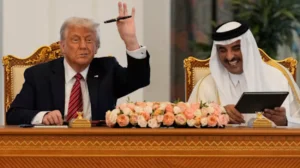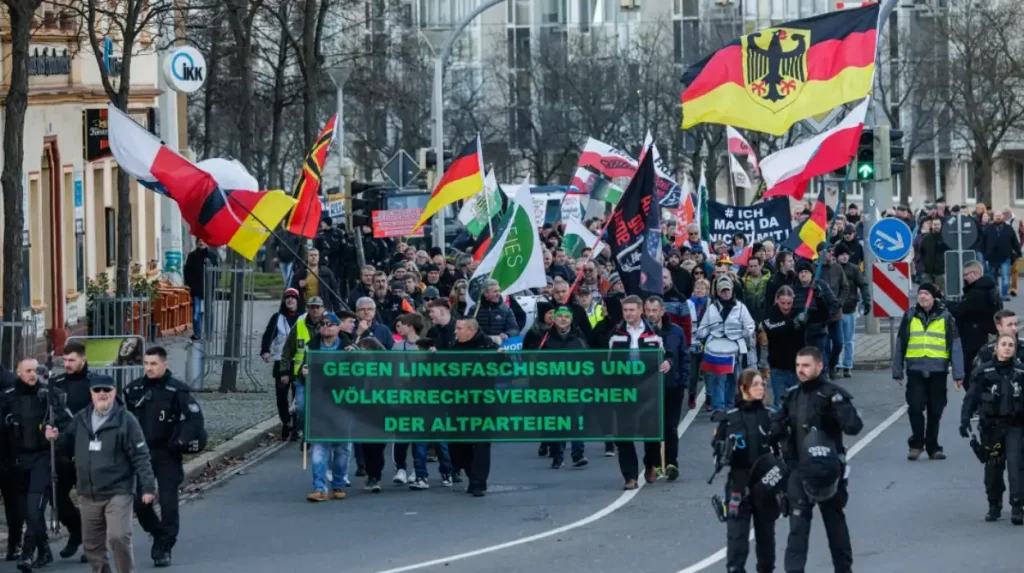
Within the past few years, there has also been an unfortunate increase in the popularity of right-wing ideologies in democratic countries in the West. This ranges from the United States to France and the United Kingdom to those in Italy. What was apparently on the fringes of society has moved to the forefront of political discussion in these various countries. This has come to be referred to as the “right-wing wave.”
Understanding the Far Right Today
Entering into the subject matter of “far right” politics, we mean by it those political movements that can be typified by nationalism, anti-immigration, populistic rhetoric, and sometimes skepticism about global institutions and global elites.
Such movements have different apps and milieus, or in some countries, different combinations of apps, and in some parts of the U.S., they interact and overlap with MAGA-style conservatism and cultural nationalism, in some of the EU states, nationalist parties advocate a hardline immigration policy, protectionism, and a disdain for a governmental framework of the EU sort.
1. The United States: Cultural Backlash and Political Polarization
The U.S. has seen an unprecedented mainstreaming of far‑right ideas, particularly since the 2016 presidential election. Although the precise contours of far‑right politics differ from those in Europe, similar drivers are at work:
- Populist Frustration and Identity Politics: Many citizens feel left behind by changes taking place at the economic, cultural, or elite institutional levels, which they see as no longer reflecting their world. All these contribute to a politics of identity, internally focused on the preservation of “traditional American values,” which the far-right groups capitalize on by defining their struggle as a resistance against social and demographic change.
- Polarization & Media Ecosystem: Highly fragmented media spaces mean that the register of far-right discourse can now extend far beyond traditional borders. Mainstream-disharmonious messaging can be widely disseminated in an instant, producing an echo chamber in which radicalized discourse becomes normative. As indicated by research papers, online contagion and peer reinforcement play an imperative role within the formation of such extremisms in the American scenario.
- Distrust of Institutions: Whether it’s skepticism toward elections or global institutions like the United Nations or NATO, segments of the U.S. electorate are increasingly alienated from traditional governance structures, making them receptive to anti‑establishment, often far‑right narratives.
2. The United Kingdom: Reformism Meets Right‑Wing Populism
The U.K.’s relationship with far‑right politics is nuanced. While traditional far‑right parties have historically had limited electoral success, recent social phenomena illustrate how far‑right ideas influence politics:
- Cultural Movements and Identity: Movements such as Operation Raise the Colours — which encourages public displays of national symbols — reflect a broader current of identity‑based populism. Supporters frame their actions as patriotic, though critics link such activity to anti‑immigration and nationalist sentiment often associated with far‑right groups.
- Policy Influence: Even where far‑right parties don’t dominate ballots, their ideas have shaped mainstream political debates, especially on immigration and human rights laws. In late 2025, the U.K. government signaled a push to revise the European Convention on Human Rights, a move widely seen as influenced by far‑right pressure and public concern about migration — even amid warnings about risks to fundamental protections.
- Economic and Social Discontent: In the U.K., Brexit’s aftermath, austerity legacies, and cost‑of‑living concerns have fueled skepticism about traditional parties, creating space for populist alternatives to flourish.
3. France: Normalization of Far‑Right Politics
France offers one of the clearest cases of far‑right normalization in mainstream politics:
- Election Dynamics: Far‑right parties such as the National Rally (formerly National Front) have surged electorally, capitalizing on issues ranging from immigration to economic insecurity. The party’s sustained growth from fringe in the early 2000s to a major force in national politics illustrates how far‑right rhetoric has penetrated mainstream voter sentiment.
- Policy and Public Imagination: Far‑right leaders frame their platforms around national identity and social order. Issues like immigration control and skepticism of the European Union resonate with voters concerned about job security, cultural change, and declining trust in established parties.
- Media and Youth Outreach: The use of social media has been crucial. Far‑right politicians in France have actively used platforms like TikTok to reach younger voters, normalizing their messages and broadening support beyond traditional demographics.
4. Italy: Electoral Success and Governance
In Italy, far‑right parties have moved from the margins to the center stage of politics:
- Electoral Rise: Parties such as Fratelli d’Italia have transitioned from marginal lists to dominant political forces through appeals to nationalism, economic protectionism, and skepticism of EU authority. Support for these parties skyrocketed in recent elections, reflecting broad dissatisfaction with political incumbents and economic stagnation.
- Government Influence: Italy’s far‑right has translated electoral gains into governing power, shaping national policies on immigration, economic regulation, and relations with the EU.
What’s Fueling the Surge? A Multipronged Phenomenon
Across these countries, several common drivers help explain the surge in far‑right support:
Economic Dislocation and Insecurity
Wage stagnation, job losses in traditional industries, and widening inequality have fostered frustration with conventional parties perceived as out of touch. Research shows that economic insecurity — whether driven by automation, globalization, or pandemic aftershocks — can intensify political polarization and boost support for populist, often far‑right alternatives.
Cultural Anxiety and Identity Politics
Many voters perceive rapid cultural change as threatening — toward multiculturalism, social liberalization, and globalization. Far‑right narratives tap into these anxieties by offering a romanticized view of “national identity,” traditional values, and cultural cohesion. Movements that emphasize national flags or heritage often do so under the banner of defending cultural integrity.
Distrust in Traditional Politics
Public distrust in mainstream parties and institutions is rising. Across democracies, centrist parties have struggled to address deepening socio‑economic and cultural concerns effectively. This vacuum allows far‑right movements — which present themselves as outsiders challenging the establishment — to gain legitimacy.
Information Environment and Media Dynamics
The fragmentation of the media and the rise of social platforms create fertile ground for polarization. Far‑right ideas — often simplified and emotionally charged — can spread rapidly in digital spaces, reinforcing tribal worldviews and bypassing traditional journalistic gatekeepers.