The legal changes in France concerning minority rights and social inclusion have been escalating over the year 2025 as the government reacts to consistent reports by national control agencies, as well as the international observation agencies. Such developments are part of a broader discussion in French society about equality, civic liberties and safeguarding the marginalized members of the society. The continued presence of discrimination indicators that have been reported by the independent commissions have led to legislative responses that are meant to strengthen the equality assurances that are incorporated in the Constitution and the European human rights framework.
In this larger reform agenda, the historic move in March 2025 to enshrine abortion rights in the Constitution in France indicated the beginning of a new direction of developing protections of gender-based minorities and reinforcing individual agency. Despite the fact that this amendment was generally viewed as a great milestone, the implementation of this amendment occurred in the backdrop of the controversies on January 2025 migration law, that brought an expedited asylum appeals, increased detention measures, and required contracts to follow French values. Human rights watchdogs said that this could undermine the rights of migrant minorities, which made these provisions more closely examined by the National Consultative Commission on Human Rights or UN rapporteurs.
Core reforms enhancing anti-discrimination frameworks
Reforms on the discriminatory policing practices have gained momentum following frequent reports by the UN Human Rights Committee on identity checks that are overwhelmingly targeting racialized minorities.
In state dialogues during 2024-2025, the authorities are to update the procedural guidelines along with training modules. Recent changes involve enhanced surveillance systems as well as greater attention to documenting stop-and-search incidents though civil society groups testify that there is a wide range of diversified application of these changes depending on the location. The Defender of Rights once again emphasizes the idea that sustainable development must be based on the data-driven observation with the roots in voluntary self-identification, which successive governments have been opposing since.
Expanding labour protections and violence prevention
The ratification of the international labour organization convention on violence and harassment in France started influencing changes in new labour laws in the year 2025, especially on the protection of women, migrants, and those in the LGBTQ+ communities. The draft law is devoted to the liability of the employer in order to avoid harassment and make the support lines more effective in relation to the victims of violence.
These changes occur against a background of age-old questions about justice system efficacy, where scholars have reported that over the period between 2012 and 2021 almost 94 percent of reported cases of rape were dismissed. The advocacy groups believe that the reforms should take into consideration the combined weaknesses of minority women, such as language barriers, precarious migration status, and lack of access to legal services.
Strengthening digital protections for vulnerable groups
In the equality agenda in France, the issue of digital exclusion was identified as a priority since the minority groups complained that they had restricted access to online administrative services. Digital inclusion policies initiated by the government in 2025 will decrease this disparity by increasing the number of multilingual service portals and local support centers. These measures correspond to the overall aim of making sure that legal reforms in France are approachable and operative in the wide array of socioeconomic settings.
Reforms intersecting migration and minority inclusion
The January 2025 migration legislation has evolved to be one of the most debated reforms because of the effects of minority inclusion. Those who disagree believe that faster processing of appeals and tougher residency restrictions diminishes procedural protections of asylum seekers. The CNCDH cautioned that the clauses that demand contracting on civic values will stigmatize the migrants because integration is conditional. Governmental leaders argue that these actions promote more cohesion and republican integration, whereas independent legal experts point to the discrepancy with the international norms of the protection of refugees.
Housing and social welfare constraints
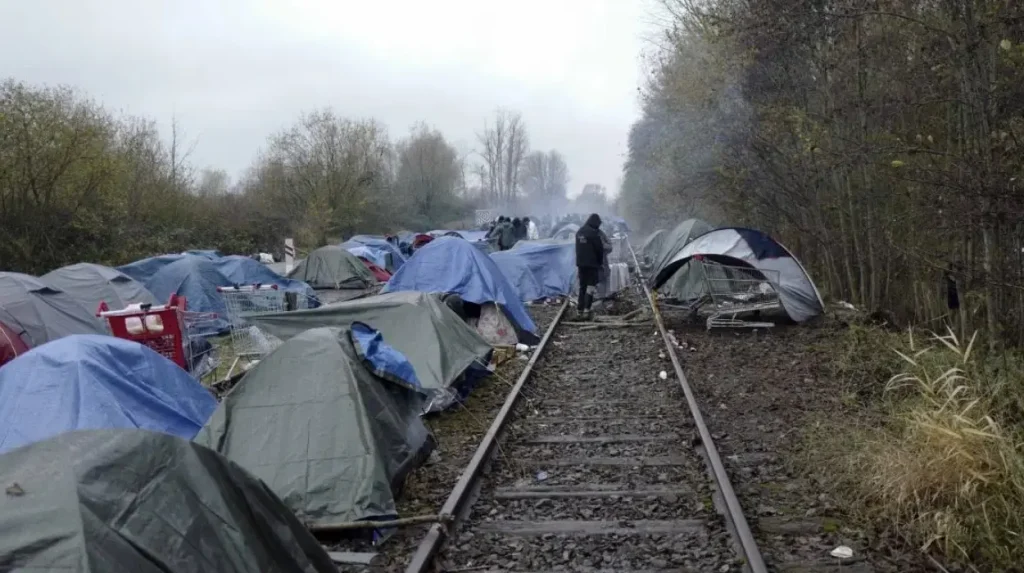
The housing reforms that were introduced side by side with migration reforms have put into question discriminatory effects. Clearing of informal settlements in Mayotte in mid 2025 shed light on the conflict between the security goals and the humanitarian needs. Although the government focused on sanitation and safety, human rights watchers said that the evictions increased congestion and the access to basic services. These trends led to the intensification of the discussion of whether housing reforms provide adequate protection to the rights of the migrant and minority populations.
Overseas territories and structural disparities
The French reforms also include the overseas territories where the issues of the rights of minorities come into conflict with the complex history of sociopolitics. In November 2025, it was reported that the education legislation of Mayotte still did not cover some groups of children, casting doubt on the adherence to the Convention on the Rights of the Child. Recent decisions of the European Committee of Social Rights in Martinique and Guadeloupe blogged of discriminatory use of labour and social protections. The government has undertaken to align the territorial standards of law but structural differences continue to exist.
Challenges and civic space implications under recent reforms
The civic space is still a central area when it comes to determining the effect of reforms in the laws of France on the rights of minorities. The independent surveillance groups reported increased pressure on environmental activists, migrant rights activists and journalists in 2025. The high profile of the case involving the detention of investigative journalist Ariane Lavrilleux brought to the fore the conflict between state security interests and the freedom of expression. Although the charges were actually dropped, press unions said that the case had shown a weakness in protections against those who investigate practices within the state.
Surveillance frameworks shaped by security concerns
The 2025 debate is still going on over surveillance reforms that were adopted before the 2024 Paris Olympics. Although it was initially proposed as an experimental tool, algorithmic video surveillance was not turned off entirely, which raised the concern of CNCDH about the discriminatory effects of minority communities facing disproportionate policing. The purpose of government reviews is to determine proportionality, yet civil liberties groups observe the lack of transparency concerning data retention, as well as algorithmic regulation.
Socioeconomic inequalities and hate crime responses
There have been strengthened efforts by the government on tackling antisemitism, Islamophobia, and anti-LGBTQ+ violence by updating national action plans. Nonetheless, there are no statistics on ethnicity that restrict the abilities of the state to measure the patterns of discrimination, which have been reiterated by the UN specialists. Minority households have also been disproportionately impacted by the escalating living costs and this has challenged the efficacy of the social inclusion policies under the strain of the economy.
2025 trajectories in reform implementation
The 2025 activities of France with the UN Human Rights Council have affected various current legislative reviews, especially the rights of migrant children, educational discrimination, and civic rights. The government kept on the process of repatriation of the minors who were associated with the conflict zones based on the concern of the international community regarding the extended detention in the northern part of Syria. Another issue that was discussed in parliamentary sessions was control over the export of arms in order to prevent international humanitarian law violation, due to the recommendations of CNCDH that demanded an increased accountability.
Civil society organizations observe that there exist loopholes between the reforms of the legislation and actual implementation despite the optimistic promises. Outlying territories are still experiencing the greatest inequalities with particular differences regarding education and government services. Meanwhile, the political landscape within which minority-rights reforms have to be enacted is determined by domestic debates concerning security and migration.
Broader implications for social cohesion and equality
Legal reforms in France addressing minority rights and social inclusion reveal a landscape shaped by competing pressures: high expectations from international human rights bodies, strong civil society mobilization, and a political environment increasingly influenced by security narratives.
The combination of constitutional advances, contested migration reforms, and expanding digital and workplace protections illustrates how France seeks to navigate these tensions. As new challenges emerge from climate-driven displacement to evolving digital surveillance, the durability of these reforms will depend on how effectively national commitments translate into equitable outcomes for all communities, raising ongoing questions about the balance between cohesion, security, and rights in the years ahead.