The heads of approximately 35 nations will meet later Tuesday in Paris to discuss security guarantees to Ukraine, a vital element of any prospective peace agreement to resolve the ongoing invasion by Russia.
In France, President Emmanuel Macron said in his New Year’s address that there were expected to be “firm commitments” of protecting Ukraine from any further aggression by Russia when any deal is struck.
Before the U.S. capture of Venezuelan leader Nicolás Maduro, Macron had expressed optimism about the gathering of the so-called “coalition of the willing” nations, which have been exploring how to deter Russian aggression should it agree to cease fighting in Ukraine.
On December 31, Macron stated that allies would “make concrete commitments” at the summit to protect Ukraine and ensure a just and lasting peace.”
“On 6 January in Paris, many European states and allies will make concrete commitments to protect Ukraine and ensure a just and lasting peace on our European continent,”
he said.
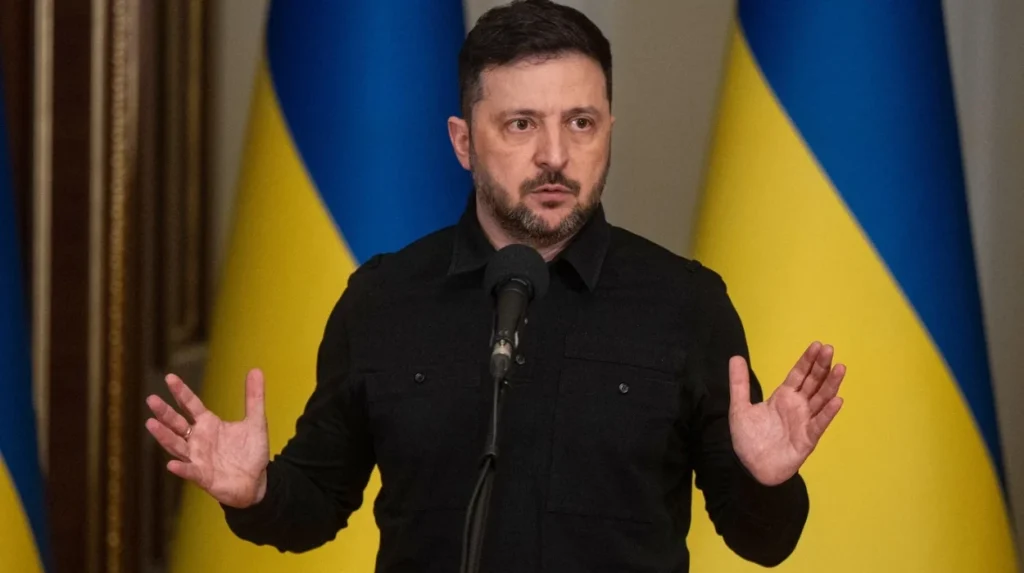
US Special Envoy Steve Witkoff and Donald Trump’s adviser Jared Kushner are likely attending the leaders’ meeting. Before that, on 3rd January, there had been a meeting of national security advisors of European countries in Kyiv, where they had considered a peace plan for Ukraine. After that, Ukrainian President Volodymyr Zelenskyy stated that they were preparing for the peace and the defense against the aggression by Russians.
What’s on the agenda in Paris?
The Paris talks will draw upon a joint statement issued by the EU leadership following a meeting in Berlin last month. The leaders will focus on the adoption of long-term guarantees aimed at shielding Ukraine from possible attacks or invasions from Russia. The guarantees, combined with the continuous backing of the West, are vital for a possible deal, Kyiv and Washington have said.
The security guarantee is being compared to NATO’s Article 5 collective defense clause, designed to convince Kyiv to reconsider its constitutional aspiration to join the transatlantic alliance in exchange for credible deterrence.
Participants in the Paris talks seek concrete outcomes on five key priorities once fighting ends:
- Methods to monitor a ceasefire
- Support for Ukraine’s armed forces
- Deployment of a multinational force on land, sea, and air
- Commitments in the event of another Russian aggression
- Long-term defense cooperation with Ukraine
How does US and European involvement shape the guarantees?
Still, many European chiefs trumpet the rhetorical backing of them, though privately admit it would take more military heft from the U.S. to make those security guarantees real and to deter Putin’s territorial ambitions. That may involve some sensitive diplomacy in Paris, certainly since Trump’s recent leadership changes in Venezuela might change US focus.
France and the United Kingdom have coordinated months of multination efforts to stabilize a ceasefire, though they have provided only broad details. According to Macron, Ukraine’s military would be the first line of defense, with coalition support through training, weaponry, and potentially European forces deployed away from frontlines to deter future Russian aggression.
What hurdles remain before troop deployments are finalized?
Additionally, President Zelenskyy emphasized that the potential deployment of European troops has challenges that still need to be sorted out, and the commitment level among all European states has not been reached. The guarantee like the Article 5 guarantee will also need ratification from the European national parliaments, which has its own dangers. US congressional support can resolve the impasse among the Europeans.
Another central challenge is verifying potential ceasefire violations, which could trigger the Article 5-like provision. The proposed monitoring system envisions high-tech deployments along the contact line.
Could Ukraine’s EU accession become part of security guarantees?
Security guarantees discussions also include Ukraine’s potential accession to the European Union. The current 20-point peace plan proposes admission by January 2027—a timeline many European Commission officials consider unrealistic. The date may shift to an aspirational goal, with Ukraine entering in stages to prevent market disruptions, particularly in agriculture.
For Kyiv, including an accession date in the final text is a top priority, potentially offsetting the pain of territorial concessions and supporting a positive outcome in any eventual referendum.
What role is the US playing in Ukraine’s future security?
The US administration has repeatedly called on Europe to take greater responsibility for Ukraine’s security. Following a meeting between Trump and Zelenskyy in Florida in December, the US president suggested a “strong” security agreement was imminent, emphasizing European involvement.
“I feel that European nations have been really great and they’re very much in line with this meeting and with getting a deal done. They are all terrific people,”
Trump said.
One of the most debated elements is the deployment of troops inside or near Ukraine, but away from frontlines, which Russia has stated it will not accept from NATO countries.
How close is Ukraine to finalizing the peace plan?
After talks with Trump at Mar-a-Lago, Zelenskyy said US security guarantees for Ukraine were “100% agreed,” and the 20-point peace plan was “90% agreed.” He added that the military dimension was fully resolved.
Zelenskyy noted that following the Paris meeting, documents are expected to be agreed upon “at the level of all leaders,” after which a meeting with Trump and European leaders will be scheduled. He further indicated that, if the process proceeds step by step, a subsequent meeting with Russian representatives could occur.
Why is the Paris summit critical for Ukraine’s future?
The Ukraine-Paris summit could be a turning point in global diplomacy, which may shape security, military support, and integration into Europe for the nation. Decisions are to be reached that could affect the balance of power in Eastern Europe for decades, define whether Ukraine is able to defend against Russia, and outline the credibility of Western security commitments.