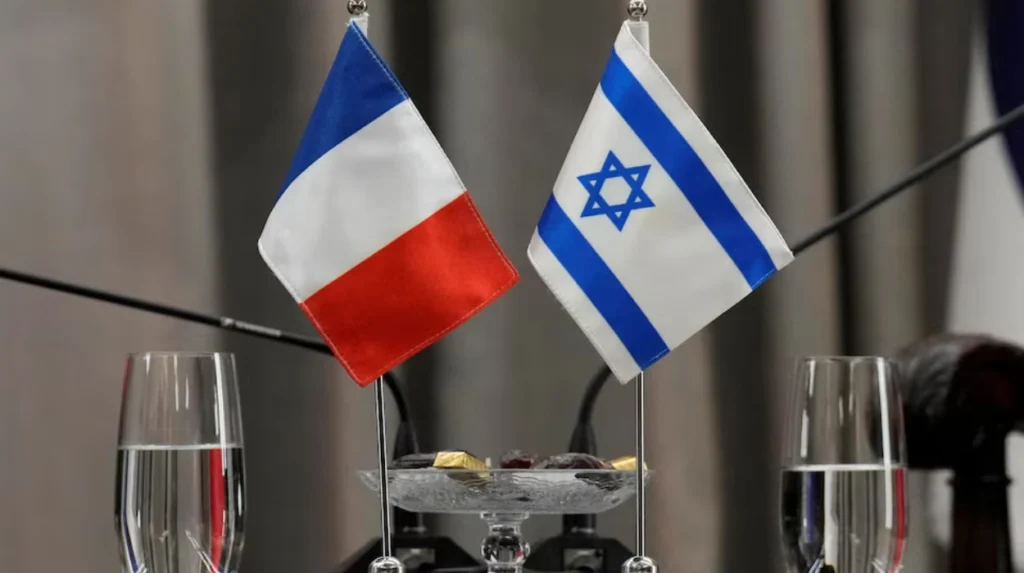
This historic move by the French authorities, which has brought about diplomatic conflicts between Israel and France, saw the closure of four major Israeli firms’ booths at the Eurosatory defense exhibition held in Paris, in June 1, 2026. As the largest defense trade show in Europe, this event serves as a very important venue for arms traders across the globe. What is unusual with this move is the ethical considerations that have brought about this move.
The justification behind this decision was that there is an offense ban against weapons in the light of the war of Gaza. These instructions were issued by the French security organizations as the companies from Israel did not heed the orders to get rid of the offensive arms from their exhibitions. This step has been strongly criticized by Israel as they consider this a political step.
The Details Behind the Closure
Offensive Weapons Defined and Restricted
“Offensive weapons” included kinetic weapons that could be used directly in combat, such as missiles and artillery. Offensive weapons included any weapon that was made for use in offensive maneuvers. The defensive weapons, like the protection shields and surveillance equipment, were not restricted in any way. The Israeli vendors were asked to withdraw all exhibits that involved offensive capabilities, but did not succeed in doing so.
As per a spokesperson for Gifas which organized Eurosatory, some booths were shut down, but no further information could be provided by him. The action of shutting down was done immediately as barricades were built up by the French authorities around the booths in order to hide any offensive weapons. It was more of a statement than just an act because it reflected the ethical position of France.
Scope of the Impact
The four main Israeli defense firms affected by the shutdown included big firms that exported a lot of defense equipment. The effect was that the firms were not able to display their defense products to international buyers. Analysts predict that this is going to have repercussions on Israel’s defense industry, since it exports a lot of defense equipment to Europe.
Israel’s Strong Condemnation
Diplomatic Fury and Political Accusations
Israel reacted swiftly and angrily to the closures. The Israeli Defense Ministry condemned the decision as
“a shameful decision, driven by political and commercial interests, and part of a deeply troubling trend in French behaviour in recent years.”
This statement encapsulates Israel’s view that the move was not merely regulatory but politically motivated, aimed at appeasing domestic and international pressure over the Gaza conflict.
Israeli officials framed the closures as an affront to national sovereignty and a breach of trust between allies. The Ministry emphasized that France, a traditional partner in defense cooperation, had crossed a line by imposing ethical restrictions that undermined commercial agreements and diplomatic relations.
Public and Official Statements
The senior officials in Israel reiterated the position held by the Defense Ministry and referred to the development as “ugly and improper,” arguing that the country had sided with politics rather than security partnership. Such positions show the prevailing trend in Israel that the European countries are gradually turning their backs on Israel in the light of the ongoing conflict in Gaza, using regulatory measures for such a purpose. Moreover, the Israeli government has mentioned that this move could have economic consequences since the closure of the fair could prevent any investments in the future from French and other European defense industries.
France’s Ethical and Diplomatic Stance
Justification for the Ban
French authorities defended the closures as a necessary ethical measure amid the Gaza conflict. A French official stated that Israeli companies were
“defying an agreement not to display so-called offensive weapons.”
The decision aligns with France’s broader commitment to human rights and international law, particularly in contexts where arms exports could contribute to civilian harm.
This is an indication that there has been increasing pressure in Europe for governments to monitor their arms exports with respect to any ongoing conflicts. The French government has come under both local and foreign scrutiny over its policies concerning its arms exports, especially where there are humanitarian issues involved.
Diplomatic Implications
The closure of these military agreements between the two countries is a source of tension for Franco-Israeli relations as Israel perceives France as making politics before safety in its relations with the country. According to the representatives of France, ethical issues should take priority over financial matters during conflict. Such an approach to dealing with conflicts will find support among the European public and politicians who believe in the need for transparency in the trade of defense equipment.
Industry and Market Reactions
Impact on Defense Contractors
There have been some direct consequences on Israeli defense firms due to these closures. Firms which were not able to demonstrate offensive weapons could not attract buyers and potential clients. Industry experts suggest that there is a possibility that export income will be affected negatively as well as the share of the market in Europe. As for French and European defense firms, they are unsure about the regulatory environment that they may face in the future. While some firms are worried that the ethical constraints may impede their competitiveness on international level, others believe that this is a step towards responsible arms dealing practices.
Broader Market Trends
The incident underscores a growing trend in the defense industry toward ethical scrutiny. Buyers, including governments and international organizations, are increasingly demanding transparency and accountability in arms exports. This shift is driven by humanitarian concerns, public pressure, and evolving international norms.
Experts warn that the French action could set a precedent for similar restrictions at other arms fairs, such as the Paris Air Show, where similar tensions emerged in 2025. The cumulative effect could be a more fragmented global arms market, with ethical considerations playing a larger role in trade decisions.
Historical Context and Precedents
Previous Tensions at Arms Fairs
It is not the first time that France has had disagreements with Israeli companies concerning their weapons exhibitions. As early as 2025, French regulators prevented Israeli booths from being accessed at the Paris Air Show for the same reason. This event also prompted harsh criticism from Israel as it was another sign of increasing diplomatic tension between the two nations due to the war in Gaza. These closures in 2026 are another step towards escalation of the trend with further measures taken against Israeli companies.
Global Comparisons
Other European nations have faced similar dilemmas, with some imposing export restrictions linked to human rights concerns. However, France’s action at Eurosatory is notable for its direct intervention at a major public event, making it a visible symbol of ethical enforcement in defense trade.
Future Outlook and Implications
Diplomatic Pathways
The ramifications of these closings will surely be discussed by diplomats on both sides when they meet in the coming months. They can try to reduce tension through discussion, yet there is no resolution of the problems involving ethics in arms dealing and the problem in Gaza. Israel will want to renew its military ties, while France will continue its insistence on ethical dealing.
Industry Adaptation
Defense contractors will need to adapt to evolving regulatory environments, potentially shifting focus to defensive or non-lethal systems for European markets. Innovation in ethical defense technologies could become a competitive advantage. International buyers may also reassess their sourcing strategies, favoring suppliers with transparent ethical practices. This could reshape market dynamics and drive change in the global arms industry.
A Clash of Values and Interests
The French ban on offensive Israeli weapons at Eurosatory is a watershed moment in defense trade diplomacy. It reflects a growing tension between commercial interests and ethical responsibilities, particularly in the context of active conflicts like Gaza. While Israel views the move as politically motivated and damaging, France sees it as a necessary step toward responsible arms trade.
As the global arms industry evolves, ethical considerations will likely play an increasingly central role. The incident at Eurosatory sets a precedent that could influence future trade policies, diplomatic relations, and market strategies. The coming months will reveal whether this is a temporary adjustment or a lasting shift in how defense trade is regulated and perceived worldwide.