The organised tributes in France upon the death of Pope Francis have ignited controversy regarding state secularism. Secularism, known as laïcité, is central to French political existence, but it often leads to controversies and political differences over how it should apply to everyday life.
From the more serious controversies, such as the proposal to ban women from wearing hijabs in sports, to the more mundane controversies, such as whether or not children should have advent calendars in school, laïcité continues to be a contentious subject.
There has been a renewed disagreement over the decision to mark Pope Francis by flying banners at half-mast, the day of the delinquent pontiff’s burial. Unlike its neighbours, Spain, Italy, and its own Pope-hailing country of origin, Argentina, France is not declaring a day of mourning in his death. The only person allowed to make an official journée de deuil is the president, traditionally for a previous French president or to mark terrible catastrophes such as the Charlie Hebdo attack.
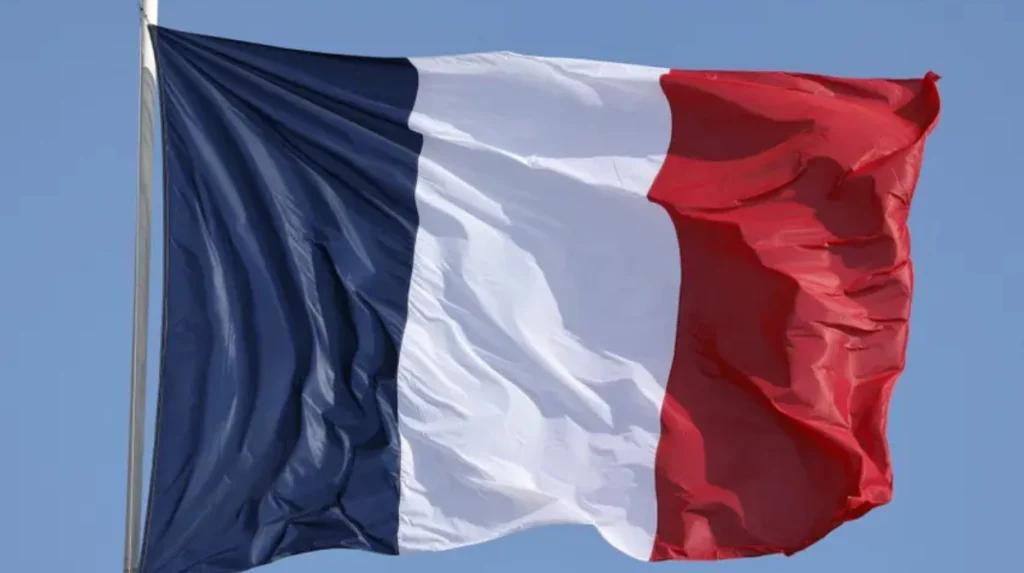
French president has not yet announced a day of mourning for the Pope but will observe the ceremony in Rome, as will other world heads. It was also reported that French flags over nation facilities will be passed half-mast on Saturday.
Left-wing MP Alexis Corbières condemned this move, stating that it goes against the religious strict neutrality required by the laïcité law. He said on France Info, “I strongly disagree with this because secularism has rules. It’s comprehensible that the French presidnet paid tribute to the Pope. But we mustn’t have a variable-geometry secularism where we lower flags for the death of one religious authority, but not for others.”
He also resists Macron’s plan to attend the funeral, saying, “We don’t have to take part as elected officials in a religious ceremony, and France, as a secular republic, doesn’t need to lower flags to half mast when a religious leader dies.”
There has been a previous instance when that this disagreement has emerged. Previous Prime Minister François Bayrou examined the same situation in 2005 when flags were passed at half-mast for the demise of Pope John Paul II. The state spokesman upheld the action, expressing the Pope, separated from being a religious authority, also has a prudent and political position, and is believed to be a Head of State.
A number of political figures have welcomed the decision, including former Prime Minister Michel Barnier, who commented on France 2 television:
“At such a moment, there is no time for debate. We are still secular and devoted to secularism, but we need to acknowledge the respect that we owe to this man who was a decent individual and also a head of state.”
Minister of Interior Bruno Retailleau, Minister of Foreign affairs Jean-Noël Barrot supported the motion, with Retailleau remarking that flags have before been passed half-mast to honour foreign heads, including the Britian’s Queen Elizabeth II.
In an interview with Europe 1, Cannes Mayor David Lisnard said declaring a day of mourning for the Pope “would have been an issue,” but he doesn’t see any problem with flying flags at half-mast on funeral day.