France has entered a new phase in its energy history. The nation achieved a historic milestone by generating surplus electricity, which surpassed its consumption needs for the first time in many years. This achievement represents a fundamental transformation in France’s electrical stability and energy independence.
The recovery of nuclear power along with rising renewable energy production, and improved demand-side efficiency has created a surplus which makes France one of the most decarbonized electricity systems in Europe. The achievement of this milestone signifies a major policy victory but it creates various challenges regarding power grid operations, market expansion, and future planning.
The achievement goes beyond technical success because it produces major financial, political, and environmental results. France needs to decide how it will handle this surplus to establish if it will turn into a strategic advantage or become a national security threat.
How France turned the fiscal situation from a structural deficit to a surplus
France experienced a decline in its electricity production throughout most of the last ten years. The availability of nuclear reactors started to drop in 2015 because of aging nuclear infrastructure, delayed maintenance operations, and uncertain regulatory frameworks.
The COVID-19 pandemic created extra pressure on equipment upgrades and inspections because workforce shortages and supply chain disruptions led to extended waiting periods for these essential services.
France operated as the largest electricity exporter in Europe but it started purchasing expensive electricity during 2022-2023 because nuclear power production dropped to its lowest level ever recorded. The energy crisis which emerged after Russia invaded Ukraine. It revealed multiple new weaknesses in the existing system.
In 2024, things started to change. The maintenance backlogs were eliminated while reactor performance reached stability and nuclear power generation returned to levels near those before the crisis. France built 7 gigawatts of new renewable power capacity through solar energy and onshore wind installations during the same period.
The nation’s electricity production significantly increased, resulting in record-breaking exports of 89 terawatt-hours (TWh). Nearly 95% of the electricity produced in France today comes from carbon-free sources.
France’s power grid: Scale, structure, and strategic geography
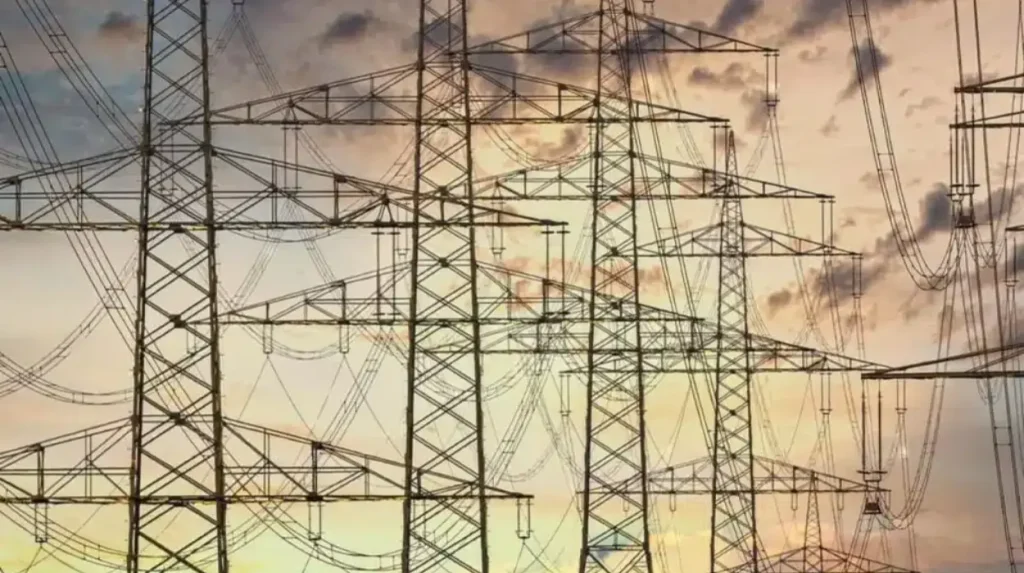
One of the largest and most integrated electrical networks in Europe is run by France. The high-voltage transmission network, which spans approximately 105,000 kilometers and is the largest system in the European Union, is run by Réseau de Transport d’Électricité (RTE).
Through its border connections with Germany, Spain, Italy, Belgium, Switzerland, and the United Kingdom, the French power grid keeps close ties to its neighbors. During periods of high consumption, France can send out excess power while maintaining a steady energy supply throughout the region thanks to the connections between these systems.
Key features of the grid include:
- Nuclear hubs concentrated along major rivers such as the Rhône, Loire, and Seine, where cooling access is critical
- Hydropower assets located primarily in the Alps, Pyrenees, and Massif Central
- Wind generation clusters in northern and western regions, particularly Hauts-de-France and Normandy
- Solar capacity expanding rapidly in southern regions, including Occitanie and Provence-Alpes-Côte d’Azur
The paradox of fossil dependence
Despite producing more electricity than it requires, France still relies heavily on fossil fuels for its overall energy consumption. Nearly 60% of final energy use, including transportation, heating, and industry, still depends on oil and gas, according to RTE. Due to this dependence, the nation’s annual import expenses range from €50 to €70 billion.
The surplus is the result of a basic mismatch whereby other economic sectors continue to produce high levels of carbon emissions while electricity generation has become more abundant and environmentally friendly. The French climate strategy, which aims to reduce greenhouse gas emissions by 50% and reduce the use of fossil fuels to 30% of total energy needs by 2035, depends on this crucial gap closure.
Electrification as a strategic imperative
France’s electricity surplus creates a rare opportunity to accelerate electrification across the economy without increasing emissions. RTE’s 2025–2035 outlook identifies several key drivers of future demand:
- Electric vehicles: +17 TWh annually by 2030
- Green hydrogen production (via electrolysis): +15 TWh
- Industrial electrification (steel, chemicals, cement): +13 TWh
- Data centres and digital infrastructure: rising from 5 TWh in 2025 to 15 TWh by 2030
These sectors play a vital role in achieving climate targets while safeguarding industrial market strength and technological independence. France achieves economic stability through electrification because it enables the country to produce its own power. This replaces imported fossil fuels.
Economic and geopolitical implications
France maintains a strategic position in Europe because it produces more electricity than it needs at a time when nearby countries are shutting down their coal, gas, and nuclear power plants. France gains geopolitical power through this position. This becomes especially valuable when regional energy systems face disruptions.
Exports generate revenue for the economy and help keep domestic prices stable. The decreased exposure to unstable international fuel markets leads to enhanced economic stability and protects domestic consumers from foreign market disruptions.
The role of nuclear power in the next phase
About 70% of France’s total electricity output comes from nuclear power, which is the foundation of the nation’s entire electrical system. With plans to construct large reactors and investigate small modular reactors (SMRs), the government continues to support the expansion of nuclear power.
The method combines ecological principles with the requirement to safeguard national security. Nuclear power produces continuous low-emission base power that works effectively with renewable energy systems, which have supply interruptions. The project faces multiple obstacles because of its complex financial needs, waste disposal requirements, and extended construction timelines. These have caused delays in earlier projects.
France in the global energy transition
France is a prime example of how developed nations can decarbonize without sacrificing the dependability of their electrical infrastructure. Unlike other nations that use gas as a transitional fuel, France bases its renewable power development on nuclear energy.
Although the model is not universally replicable, it demonstrates how sustained policy commitment, long-term planning, and public funding make large-scale, low-carbon electricity systems feasible.