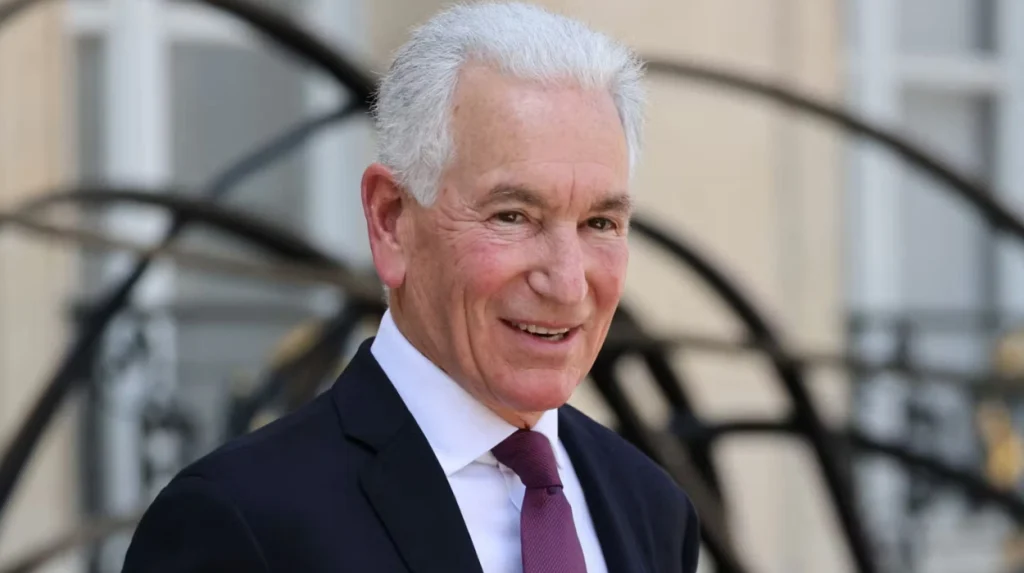
France’s decision to summon Charles Kushner represents a clear example of a Diplomatic Reprimand within allied relations. The move followed public commentary from the US Embassy in France, which referenced the killing of a far-right activist and linked it to concerns about political extremism. French authorities interpreted the remarks as interference in domestic affairs, prompting a formal summons by the Ministry for Europe and Foreign Affairs (France).
The incident occurred, a period marked by heightened political sensitivity in France. Following initial non-attendance by the ambassador, Paris temporarily restricted ministerial access, signaling seriousness without escalating to expulsion. The matter was resolved within days after Kushner pledged non-interference and agreed to structured engagement with French officials.
Context of the Activist Case
The controversy stemmed from the beating death of a far-right activist, an event that intensified debate within France over political violence and polarization. US embassy posts on social media characterized the killing within broader concerns about rising radicalism, language that French officials viewed as framing domestic developments in a way that crossed diplomatic boundaries.
France maintains that public commentary by foreign missions should avoid interpreting internal political dynamics. The government’s reaction reflects its longstanding sensitivity to external influence narratives, particularly following electoral cycles in 2025 that heightened scrutiny of foreign involvement in public discourse.
Temporary Access Restrictions
Barrot’s decision to bar ministerial meetings with the ambassador was a calibrated step rather than a structural downgrade in relations. Such measures are uncommon but remain within diplomatic practice when clarification is required.
The restrictions were lifted quickly after Kushner communicated directly with French authorities and expressed commitment to respecting domestic political processes. The rapid reversal illustrates how institutional dialogue can resolve tensions without long-term disruption.
Norms, Sovereignty, and Diplomatic Protocol
The episode highlights how sovereignty principles shape interactions between allied states. Under established diplomatic conventions, host countries may summon ambassadors to address concerns, while maintaining broader cooperation.
France’s approach was grounded in procedural enforcement rather than punitive intent. Officials described the summons as standard practice intended to ensure accountability and clarity.
Vienna Convention Framework
Diplomatic conduct is governed by principles embedded in international law, particularly norms derived from the Vienna framework. While ambassadors enjoy protections, they operate under expectations of non-interference in internal political debates.
France’s temporary access limitation demonstrated the practical application of these norms. By restoring engagement after assurances were provided, Paris reinforced institutional boundaries while avoiding escalation.
Digital Diplomacy and Public Messaging
The incident underscores the influence of digital platforms in shaping diplomatic friction. Official statements issued on social media carry state authority and can be interpreted as policy signals.
France’s response reflects a broader trend among European governments to assert control over narratives that touch on domestic political developments. In this context, even commentary framed as general concern can generate institutional reaction.
Broader Context in United States France Relations
Despite the dispute, the structural relationship between France and the United States remains deeply integrated. Defense coordination, intelligence cooperation, and trade continue to anchor bilateral engagement.
The episode unfolded during a period when transatlantic coordination is essential on multiple fronts, including Middle East stabilization and European security planning. Both governments have strategic incentives to prevent isolated incidents from undermining broader cooperation.
Political Dynamics in France
Domestic polarization in France has intensified in recent years, with debates over public safety and extremism shaping electoral outcomes. External commentary perceived as aligning with specific political factions can become sensitive in this environment.
French officials emphasize that national political debates must remain free from foreign framing. This principle applies regardless of ideological alignment, reinforcing the state’s commitment to neutrality in external communications.
Ambassadorial Accountability in Practice
Kushner’s diplomatic role requires balancing communication with respect for host-country norms. His subsequent pledge not to interfere helped restore engagement and demonstrated the flexibility of diplomatic channels.
Such responsiveness reflects the practical reality that ambassadorial disputes are typically resolved through direct dialogue. The outcome of this episode reinforces that mechanism rather than altering long-term policy frameworks.
Strategic Implications for Alliance Management
While the reprimand was brief, it carries signaling value. France demonstrated its willingness to assert procedural authority, even within a close alliance.
At the same time, the rapid resolution preserved continuity in trade and security coordination. Both sides appeared motivated to prevent reputational damage from escalating into policy divergence.
Trade and Defense Interdependence
Economic relations between France and the United States involve substantial investment flows and defense contracts. Stability in diplomatic channels is essential for sustaining ongoing agreements and future negotiations.
France’s emphasis on maintaining engagement reflects its broader strategy of balancing European autonomy with transatlantic partnership. The United States similarly benefits from maintaining consistent dialogue with a key NATO ally.
Digital Communication Guidelines
The incident may prompt internal reviews of embassy communication strategies. Clear guidelines regarding commentary on host-country domestic events can reduce the likelihood of similar tensions.
France has updated its monitoring protocols in recent years to address digital-age challenges. The current episode aligns with that evolving framework rather than representing an isolated confrontation.
Transatlantic Norms in a Multipolar Environment
The Diplomatic Reprimand illustrates how allied relations operate within a broader global context marked by rapid information exchange and political polarization. Differences in communication style can intersect with sovereignty sensitivities.
The leadership styles of national governments influence how public messaging is perceived. As administrations evolve, diplomatic culture must adapt to maintain clarity while avoiding unnecessary friction.
Institutional Resilience
The swift de-escalation demonstrates the resilience of Franco-American institutional ties. Even when disagreements arise, established mechanisms allow for clarification and restoration of normal engagement.
This pattern aligns with prior instances in which disputes were resolved without long-term consequences. It reflects a shared interest in preserving cooperation across defense, trade, and multilateral diplomacy.
Future Monitoring and Dialogue
Both governments are likely to monitor public communications more carefully following this incident. Continued engagement will depend on maintaining predictable standards of diplomatic interaction.
As France and the United States continue cooperation on security issues, including NATO operations and regional stability initiatives, maintaining trust in communication channels will remain central. The effectiveness of this diplomatic adjustment may influence how future commentary is calibrated across allied embassies, especially in an era where digital statements can quickly translate into formal state responses.