Berlin prosecutors’ latest disclosure has sharpened the focus of an already grave case. The suspect in the deadly attack near Berlin’s Pride celebration had previously tried to join Islamic State, a detail that significantly strengthens the extremist terror frame surrounding the investigation. The case is no longer being read only as a violent assault on a public celebration. It now sits at the intersection of hate, radicalization, and security failures, raising uncomfortable questions about how a man with a record of Islamist extremist activity was handled before the attack.
Prosecutors’ account
The suspect was reportedly trying to get to Syria via Lebanon in 2025 so as to join ISIS, but he was captured in Lebanon before that was achieved. It is also indicated that the same suspect then traveled back to Germany where he faced different legal challenges due to his extremism. This history becomes significant since it indicates that this attack was not an isolated case but rather follows the pattern whereby the suspect had shown intention of terrorism and the use of ISIS propaganda on social media before the attack in Berlin. It is claimed by the prosecutors that the suspect posted ISIS propaganda in 2024 on social media.
From celebration to tragedy
The attack took place in proximity to a Pride event in Berlin and resulted in the death of one person and injuries to 29 others. Given the scale of casualties, it is safe to say that the case transcends the ordinary criminal act and belongs to the category of mass casualty incidents. In Germany, the attack has been labeled as Islamists terrorism, thus placing it in the context of ideological violence against public events. Such a label is not accidental due to the openness of the civic event and its connection with identity and equality issues (Pride event).
At the same time, the location of the attack adds yet another element of symbolism, as any attacks on or near a Pride event send much more messages than just those related to the casualties that have occurred. Even before the information about the extremist background of the suspect was available, it became clear that it was an attack on a civic space of celebration and safety.
Police response
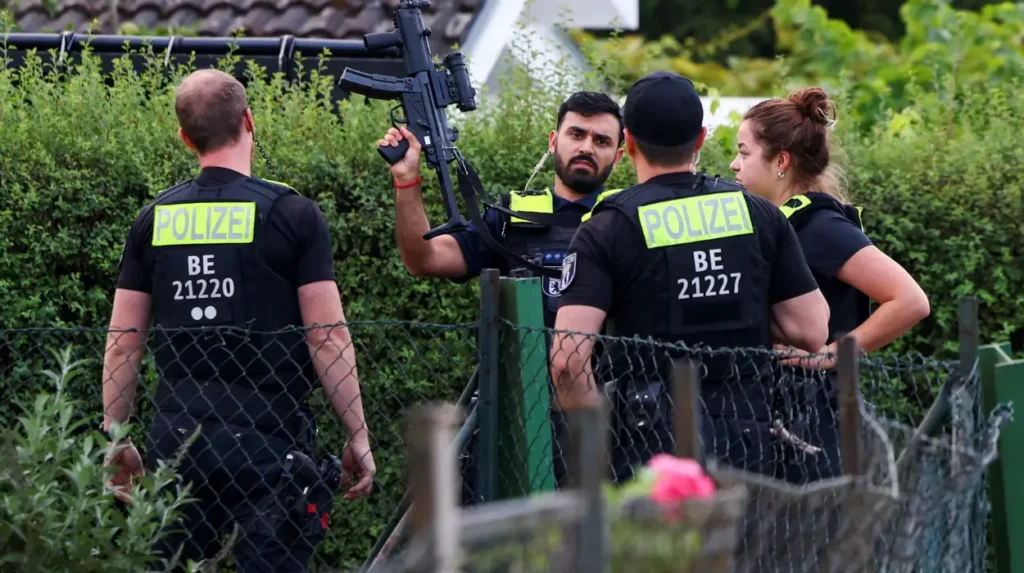
The suspect was later shot dead following a manhunt. While this event effectively brought an end to the danger, it did not put an end to the case but rather directed focus on what the authorities had known before and how the suspect managed to remain at their disposal all this time. According to news reports, the suspect was a 21-year-old man with a history of Islamist extremist activity. This is a critical point here since it means that the investigators were not dealing with a complete stranger to the system but a radical who was known to authorities. The need to launch a search operation in the aftermath of the incident only adds to the difficulty of dealing with a violent situation unfolding rapidly in an urban setting.
Security questions
The most pressing question now is not only what the suspect did, but how much authorities knew and when they knew it. If the suspect had already tried to join ISIS, had been flagged for extremist activity, and had circulated propaganda, then the case raises obvious concerns about risk assessment and monitoring.
That does not automatically mean authorities ignored warnings, but it does suggest a possible gap between identification and prevention. In terrorism cases, those gaps are often where public criticism begins, because later disclosures can make earlier interventions look insufficient even if they were legally constrained.
Germany has faced similar debates before, particularly around radicalized individuals who were known to law enforcement but still managed to carry out attacks or attempt them. This case will likely revive those debates, especially because the suspect’s alleged trajectory appears to include travel intent, online extremist support, and eventual violence.
Why the ISIS detail matters
Connection to ISIS is not just some trivial back story, it is crucial in understanding the motive and the modus operandi. In case the connection to ISIS proves to be true, it means the violence was ideologically motivated and not opportunistic one. This point is essential from the viewpoint of prosecution since any terrorism case not only requires proving the fact of violence but also its context. The clearer the connection of the suspects’ actions to the extremist ideology will be, the easier the crime will be treated by investigators as an example of political and religiously motivated violence rather than mere criminal activity. The public relevance of the connection to ISIS is also very high since it will completely change the image of the attack.
Broader political impact
The incident is likely to intensify debate in Germany over surveillance, deradicalization, and the handling of suspected extremists. If a suspect previously linked to ISIS-related conduct still ended up carrying out a deadly attack, critics will inevitably question whether existing safeguards are sufficient.
At the same time, the attack may also harden public discourse around migration, integration, and security, even though those issues are often discussed imprecisely in the wake of terror incidents. The danger in such moments is that one case can be used to justify sweeping conclusions that outpace the facts.
What makes this case especially sensitive is the combination of motives that can attach to it: extremism, anti-LGBTQ symbolism, and public violence. Each of those elements can shape political reactions differently, but together they produce a highly charged atmosphere that authorities will have to manage carefully.
Legal and investigative stakes
The priority for the prosecutors will be to retrace the whole chain of events which led to this attack and that will encompass travel attempts made by the suspect, his online activity, any warnings which may have been received by law enforcement agencies and why he had been released or why not held in custody any longer prior to the event in question. What is really crucial about the news that the man had previously been convicted or punished for attempting to get involved in the ISIS activities is the fact that there will be a documented history of such activity.
This kind of information, once verified, would be an integral part of the prosecution case and the investigation in general. Another point to note is that this case will highlight the problems with deradicalization of the suspects. It is another government program which can be questioned on the effectiveness grounds as a failed attempt at deradicalization.
A wider warning
This incident is part of a disturbing trend in Europe, whereby the attacks by extremists come following the emergence of warning signals that do not necessarily deter them from carrying out the attacks. The incident in Berlin is especially disturbing because the suspect’s plans for joining ISIS were not secret, considering they involved traveling, recruitment, and even official scrutiny. This does not mean it is an easy task to prevent such attacks. It is worth noting that suspects may travel between countries and even engage in selective communication, and even meet legal criteria whereby preemptive detention is impossible without evidence of danger. Nevertheless, people will demand explanations for why the suspect was in a position to conduct the attack.
Berlin now faces the dual burden of mourning the victims and explaining the system’s failures. Prosecutors’ ISIS disclosure may help clarify motive, but it also ensures the case will remain politically and emotionally charged for some time. The final judgment on this case will depend on evidence, not headlines, but the outline is already severe: a man with alleged extremist intent, a public Pride event, deadly violence, and a city left asking how much more could have been done.