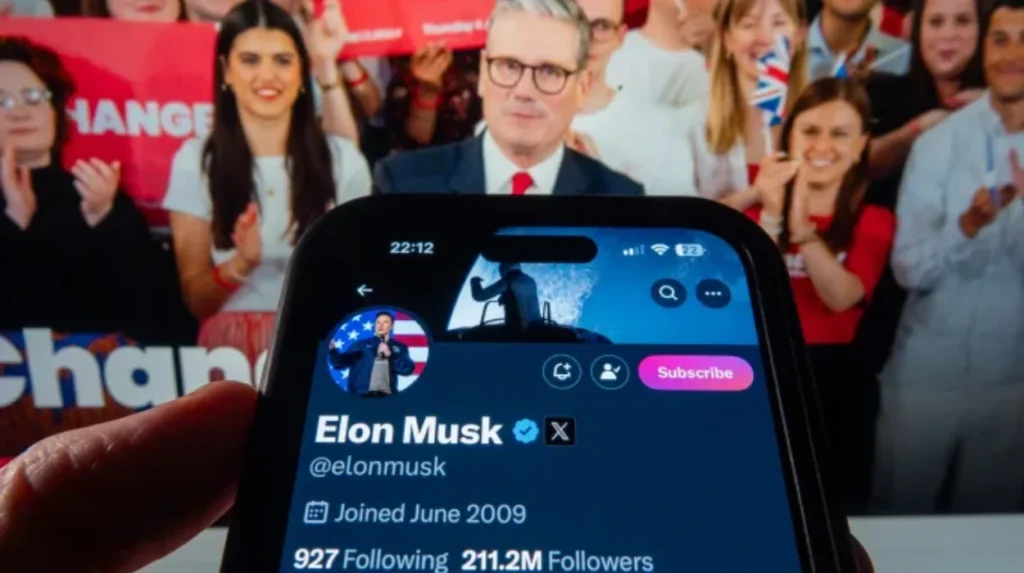
The United Kingdom has introduced a new initiative that involves prohibiting access to some social media networks such as X, YouTube, TikTok, Instagram, Snapchat, and Reddit for anyone under 16 years old. Prime Minister Sir Keir Starmer revealed the changes to the current policy on June 14, 2026, arguing that the policy is an urgent need to safeguard young people from various forms of harm. Based on the policy model that was adopted by Australia, the policy seeks to encourage social media companies to increase their age limit to 16 years. Nevertheless, the feasibility of age verification, loss of digital literacy skills, and effects on freedom of expression are some of the criticisms of the policy.
The Policy’s Core Framework and Scope
This policy proposed by the UK government sets an age floor, statutorily set at 16 years, for using social media platforms. It will be applicable to those platforms that are used for purposes such as interacting, sharing content, and live-streaming, specifically mentioning social media platforms such as TikTok, Instagram, Threads, Facebook, X, YouTube, Snapchat, and Reddit. These social media platforms will have to ensure proper age verification mechanisms to prevent children below 16 years of age from using these social media applications or accessing content posted there. Penalties for noncompliance will also be significant, although it is still in consultation.
This ban not only covers the usual social networking sites but even goes on to cover livestreaming and online gaming platforms with chat capabilities such as Twitch. The broad definition is based on the realization that in the current scenario of digital innovation and interaction, there have been instances when children have interacted with strangers or were exposed to unregulated content. This policy tries to move the onus of enforcement from the individual user to the technology company by using its technological advantage.
Political Backing and Starmer’s Stance
Prime Minister Starmer’s announcement underscores the government’s prioritization of child safety over digital accessibility. In a press conference, he declared,
“We must call time on a system that’s failing our kids,”
framing the ban as a necessary correction to a fragmented regulatory landscape.
It is in line with the overall Online Safety Act of the United Kingdom, which compels platforms to take steps to counteract negative practices, such as cyberbullying, grooming, and the spread of extremism. According to Starmer’s government, self-regulation has been ineffective and thus needs to be replaced by legislation for ensuring safety from these threats, especially when it comes to protecting children. It should be noted that the consultation process has been conducted under the auspices of the Department for Culture, Media and Sport (DCMS).
Lisa Nandy, the Secretary of State for Culture, Media and Sport, stated,
“This policy is about safeguarding children while preserving their access to beneficial online experiences.”
The government’s stance reflects a growing consensus among Western nations that digital platforms require stricter oversight to address systemic risks to youth.
Opposition and Criticism from Tech Industry and Civil Groups
The technology sector has expressed doubts about the initiative due to technical difficulties involved in ensuring age verification. The major platforms such as Meta (Facebook, Instagram), Google (YouTube), and TikTok have not made any official statements yet, but industry experts expect that compliance expenses will rise exponentially. Opponents claim that age verification tools might pose threats to users’ privacy and be discriminatory toward disadvantaged groups.
The Tech Policy Institute warned,
“Mandatory age verification risks normalizing mass surveillance and undermining trust in digital services.”
Civil rights groups and digital liberties advocates have also condemned the policy. The Open Rights Group argued that the ban could disproportionately affect minors’ access to educational resources, mental health support, and community-building platforms.
“Children are not inherently vulnerable; they need tools to navigate the digital world safely,”
said a spokesperson.
“This policy treats them as passive victims rather than active participants.”
Educators have raised concerns about the ban’s impact on digital literacy, noting that social media platforms often serve as informal learning spaces for coding, creative arts, and global citizenship.
Parliamentary Debates and Legislative Timeline
The legislation has attracted criticism in the House of Lords due to doubts about how it complies with human rights. In March 2026, the decision was made to impose the ban, drawing inspiration from the success of similar laws in Australia in restricting minors’ access to social media websites. Nevertheless, members of the opposition have criticized the ability of the UK legal system to stand up to any challenge brought against it in relation to the European Convention on Human Rights.
Key legislative milestones include:
- January 2026: Government announces consultation on adopting an Australia-style ban.
- March 2026: House of Lords passes amendment supporting the ban.
- Late 2026: Consultation concludes; draft legislation published.
- Early 2027: Implementation target for platforms to enforce age restrictions.
The timeline reflects the government’s urgency to address rising concerns about online harms, including a 2025 report by the Children’s Commissioner noting a 40% increase in cyberbullying cases among 13–15-year-olds.
Australia’s Model and Its Impact on UK Policy
The United Kingdom’s strategy is based strongly on the Australian ban, which stipulates that all platforms have to remove user accounts that belong to individuals who are under 16 years old. The Australian strategy has been criticized due to its excessive reliance on self-reported age and difficulty to verify the identity of users without resorting to invasive methods. However, according to the Australian authorities, the ban has decreased youth participation on social media platforms by 35% in one year.
Analysts note that the UK’s larger population and diverse digital ecosystem may complicate enforcement.
“Australia’s model worked in a smaller market, but the UK’s scale introduces unique challenges,”
said a tech policy expert.
“Platforms may struggle to balance privacy, security, and compliance without creating new vulnerabilities.”
Global Context and Comparative Approaches
The ban in the UK is part of a trend in the international community that increasingly imposes restrictions on minors from using social media. The EU’s DSA obliges social media platforms to protect minors against risks associated with online interaction, while French legislation of 2023 states that parents must provide consent for under-15 users. In the USA, state initiatives have been put forward, including the Social Media Addiction Prevention Act of 2024, which tries to impose limits on the use of screens by minors.
Critics argue that the UK’s approach may fragment the global digital landscape, creating compliance hurdles for multinational platforms.
“A patchwork of regional bans could force platforms to adopt geo-blocking, limiting cross-border access to information,”
said a digital rights advocate. Conversely, supporters view the policy as a necessary step to harmonize child safety standards across borders.
Implementation Challenges and Unintended Consequences
The effectiveness of this law will depend on how platforms manage to perform the age verification of users while not infringing on their privacy rights. At present, the methods that have been used, like self-declaration or a credit card check, are easily falsified. The British government is considering biometrics and even blockchain IDs as possible solutions; however, these approaches have yet to prove their efficiency.
Another concern is the ban’s impact on minors’ access to critical services. Mental health organizations, such as YoungMinds, warn that social media platforms often provide peer support networks for struggling with anxiety or depression.
“For many children, social media is their lifeline to community,”
said a counselor.
“Removing that could isolate them further.”
A Bold Step or a Slippery Slope?
The UK’s under-16 social media ban represents a bold attempt to address systemic risks in the digital age. By prioritizing child safety over accessibility, the government seeks to redefine the relationship between minors and technology. However, the policy’s feasibility, ethical implications, and long-term consequences remain uncertain. As the consultation period progresses, the debate will likely intensify, with stakeholders weighing the trade-offs between protection and autonomy. For now, the UK’s experiment stands as a critical test case for global digital regulation, offering lessons for nations grappling with similar challenges.