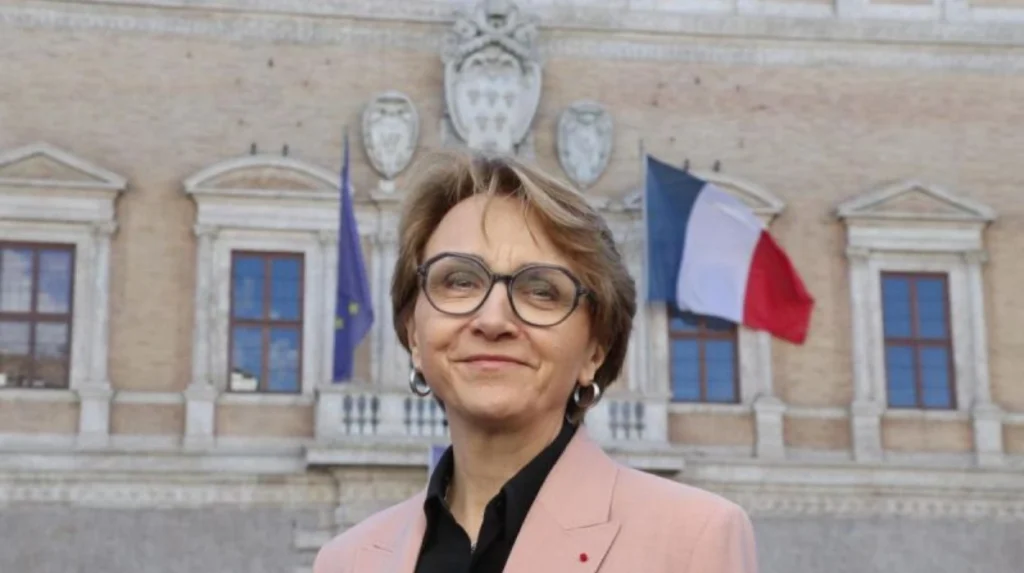
France’s decision to appoint Anne-Marie Descôtes as ambassador to Italy reflects a calculated move within European diplomacy. Rome is not simply another diplomatic posting; it is a critical arena where economic cooperation, migration policy, and Mediterranean security intersect. By selecting a senior and highly experienced diplomat, Paris appears to signal that the relationship with Italy requires both technical expertise and political sensitivity.
The timing of the appointment also matters. European politics in 2025 saw increasing coordination among major EU states on economic resilience, security cooperation, and institutional reforms. France’s leadership has emphasized that strong bilateral partnerships within the European Union remain essential to navigating geopolitical shifts affecting the continent.
Experience and Institutional Influence
Anne-Marie Descôtes brings decades of diplomatic service and administrative leadership to the role. Her previous responsibilities within France’s foreign policy apparatus positioned her at the center of multilateral negotiations and European affairs. This background makes her well suited to managing the complex network of issues shaping Franco-Italian relations.
Her appointment illustrates how professional diplomats continue to play a stabilizing role in European diplomacy. In a period when political messaging often dominates international relations, experienced envoys are frequently tasked with translating strategic priorities into practical cooperation between governments.
A Departure From Symbolic Diplomatic Placements
Historically, some ambassadorial postings in Europe have been influenced by political considerations or symbolic representation. The selection of a career diplomat with significant institutional knowledge suggests a different approach. France appears intent on ensuring continuity in its engagement with Italy, particularly as both countries confront overlapping challenges in the Mediterranean and the broader European policy framework.
Observers note that such appointments can signal confidence in diplomatic institutions rather than reliance on political intermediaries. This approach may help maintain dialogue during moments when political leadership in Paris and Rome faces domestic pressures that complicate bilateral discussions.
The Evolution of Franco-Italian Relations in the European Union
The relationship between France and Italy has long combined economic interdependence with periodic political tension. Trade and investment flows between the two countries remain substantial, reinforcing their shared interest in economic stability across the European Union. At the same time, disputes over migration, Mediterranean policy, and regional influence have occasionally strained diplomatic ties.
Recent developments since 2025 indicate an effort by both governments to reduce confrontation and strengthen coordination within European institutions. The appointment of Descôtes fits into this broader recalibration aimed at reinforcing long-term cooperation.
Economic Interdependence and Strategic Trade Links
France and Italy maintain extensive economic ties that influence political decision-making on both sides. Industrial cooperation, cross-border investment, and joint infrastructure initiatives have created a framework where economic interests often encourage diplomatic engagement even during periods of disagreement.
European analysts point out that economic integration acts as a stabilizing factor in bilateral relations. When disputes arise, both governments have incentives to resolve tensions quickly in order to preserve economic confidence and regional market stability.
Diplomatic Tensions and Efforts to Rebuild Trust
Despite strong economic links, the relationship has experienced notable diplomatic strain in recent years. Episodes of public disagreement between political leaders, particularly during earlier periods of EU policy debates, revealed underlying differences in approach to migration and regional policy.
Since 2025, however, both Paris and Rome have taken steps to emphasize cooperation rather than confrontation. High-level meetings and renewed diplomatic engagement have been presented as efforts to rebuild trust and reinforce the institutional frameworks guiding their partnership.
The Influence of the Quirinal Treaty Framework
The Quirinal Treaty established a formal structure for cooperation across multiple sectors including defense, economic coordination, and cultural exchange. It functions as a mechanism to ensure that the two countries maintain regular dialogue even during political disagreements.
France’s decision to send a seasoned diplomat to Rome suggests an intention to deepen the implementation of the treaty’s provisions. By strengthening institutional channels, both countries may be seeking to prevent political disputes from disrupting long-term strategic coordination.
Mediterranean Strategy and European Security Considerations
France’s diplomatic focus on Italy also reflects broader strategic concerns in the Mediterranean region. Migration routes across the central Mediterranean, security developments in North Africa, and evolving geopolitical alliances have all increased the importance of coordination between Paris and Rome.
European policy discussions during 2025 repeatedly highlighted the need for collective responses to regional instability. In this context, Italy’s geographic position and political influence make it a key partner in shaping EU strategies toward neighboring regions.
Cooperation on Migration and Border Policy
Migration remains one of the most sensitive topics influencing relations between European states. Italy has often been at the forefront of migration flows entering the European Union through the Mediterranean. France, while facing different domestic pressures, shares an interest in coordinated European responses.
Diplomatic engagement between the two countries therefore extends beyond bilateral discussions to EU-level policy negotiations. The ambassador’s role includes facilitating dialogue that aligns national perspectives with broader European migration frameworks.
Libya and Regional Stabilization Efforts
Libya continues to represent a strategic priority for both France and Italy. Over the years, their approaches to the Libyan situation have sometimes diverged, reflecting different historical ties and policy perspectives. However, recent diplomatic signals indicate a growing recognition that cooperation may be more effective than competition.
Analysts observing developments in 2025 note that European governments increasingly view stability in Libya as directly linked to migration management and regional security. This perspective has encouraged France and Italy to coordinate more closely on diplomatic initiatives aimed at reducing instability in the country.
European Defense and Multilateral Engagement
The broader European defense landscape also influences the significance of the Franco-Italian partnership. Both countries participate in initiatives designed to strengthen European strategic autonomy while maintaining coordination with transatlantic allies.
Anne-Marie Descôtes’s experience in multilateral diplomacy positions her to navigate these overlapping frameworks. Her role involves ensuring that bilateral cooperation contributes to larger European security objectives without creating new rivalries within EU structures.
Domestic Political Context in Paris and Rome
Diplomatic appointments are often shaped by internal political dynamics as much as external strategy. The relationship between the French and Italian governments operates within domestic political environments that influence public messaging and policy priorities.
Since 2025, leaders in both countries have emphasized the importance of maintaining a stable partnership while addressing domestic concerns related to economic policy, migration, and European governance.
Balancing Leadership Styles and Policy Narratives
Political leadership in France and Italy often reflects different policy narratives and electoral priorities. These differences can create tension when public debates in each country highlight contrasting approaches to European integration or national sovereignty.
Diplomats such as Descôtes play a crucial role in managing these differences behind the scenes. By maintaining consistent dialogue with political and institutional actors in Rome, the French embassy can help reduce misunderstandings that might otherwise escalate into public disputes.
The Role of Public Diplomacy and Civil Society
Modern diplomacy increasingly involves engagement beyond government officials. Cultural organizations, academic institutions, and business communities contribute to shaping bilateral relationships. France’s diplomatic strategy in Italy includes outreach to these sectors as a way of strengthening long-term cooperation.
Such engagement reflects a broader trend observed across Europe in recent years. Governments recognize that durable partnerships depend not only on political agreements but also on networks connecting societies and institutions across borders.
Long-Term Implications for European Political Balance
The appointment of Anne-Marie Descôtes represents more than a routine diplomatic transition. It signals how France views its partnership with Italy within the evolving political architecture of Europe. The relationship between the two countries has the potential to influence debates on economic policy, migration governance, and European security initiatives.
As the European Union continues adapting to geopolitical changes, cooperation between major member states remains essential to maintaining institutional cohesion. Diplomatic efforts aimed at strengthening these partnerships therefore carry broader implications for the direction of European policy.
The unfolding dynamic between Paris and Rome will likely reveal whether sustained diplomatic engagement can transform periodic rivalry into a stable framework for cooperation. If the strategy succeeds, it may reinforce the idea that experienced diplomacy still plays a decisive role in navigating complex European relationships at a time when political narratives often shift rapidly across the continent.