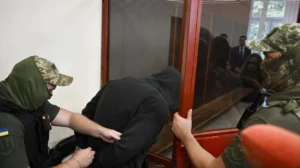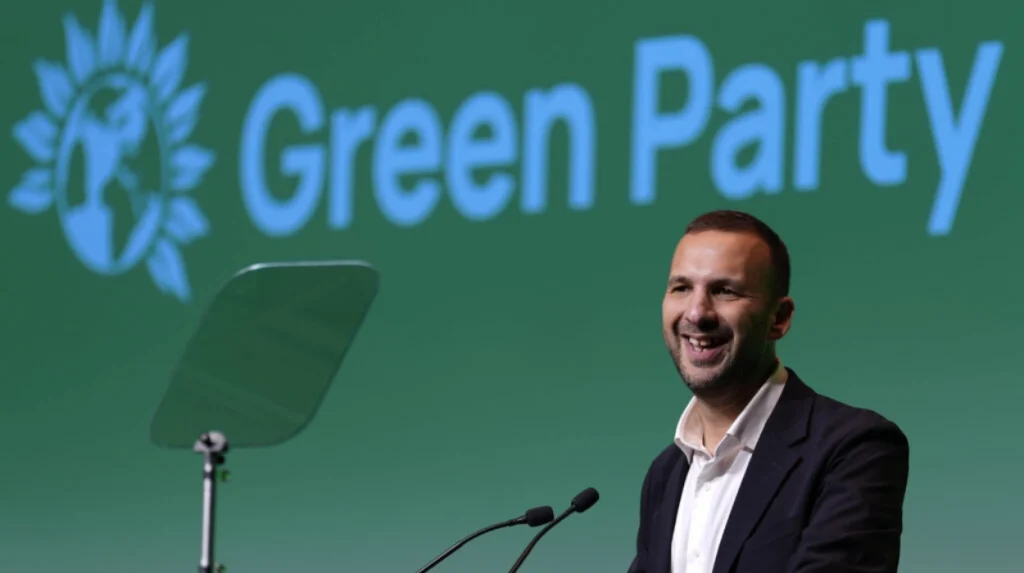
Zack Polanski, leader of the UK’s Green Party, sparked controversy with his Christmas 2025 message filmed from a ferry after visiting migrant camps in Calais, claiming France is unsafe for asylum seekers and urging redirection of nearly £500 million in taxpayer funds from border security to humanitarian aid. Released at 3pm on December 25 clashing with King Charles’s speech this “unusual” address highlighted police actions against camps and rising Channel crossings, positioning the policy as a “farcical, deadly cycle.” Critics lambasted it as tone-deaf, while supporters praised its compassion amid 41,000 small boat arrivals in 2025.
Polanski’s christmas message breakdown
Zack Polanski’s video opens with footage from Calais camps, deliberately avoiding migrants’ faces to “preserve their dignity,” countering what he calls daily “misinformation and lies” about Channel crossings. He describes witnessing conditions that “will stick with me for a long time,” asserting “Calais is not a safe place” despite France’s status as a safe third country under the 1951 UN Refugee Convention and EU law. Polanski critiques UK funding of £476 million over three years and £184 million for 2025/26 to France for doubling beach patrols, a joint command center, and a detention facility, labeling it “militarisation and securitisation.”
He demands repurposing these funds for a “humanitarian and compassionate response,” arguing anti-smuggling rhetoric like “stopping the boats” and “smashing the gangs” fails and may increase crossings. The message ends with an appeal to donate to the Calais Appeal coalition, framing Britain as kinder than media portrayals amid “political rhetoric and demonisation.” Timed against the King’s Speech, it drew accusations of disrespect, though Polanski dismissed GB News critiques.
Contextualizing calais migrant crisis
Calais has been a flashpoint since the 2000s “Jungle” camp dismantlement, with migrants from Syria, Afghanistan, Eritrea, and Sudan risking the 21-mile Channel crossing in dinghies amid post-Brexit barriers. UK Home Office data shows 43,600 small boat arrivals (40%) and 12,100 irregular entries by June 2025, totaling over 41,000 for the year, driven by smuggling networks charging £3,000-£10,000 per person. French police routinely dismantle camps, confiscating wood and tents as shown in Polanski’s footage, creating a “farcical, deadly cycle” he decries, with at least 50 drownings in 2025. The UK-France deal, renewed under Labour, funds these efforts but faces backlash after videos of officers watching launches without intervention. EU-wide, Dublin Regulation returns falter due to safe country disputes, funneling flows to the UK despite Rwanda plans’ legal stalls. Polanski’s visit echoes NGO critiques, but contrasts Home Office views that most arrivals claim asylum from safe France.
Green Party’s migration stance
The Green Party, holding four MPs post-2024 election, champions open borders and refugee rights, opposing the Illegal Migration Act and Safety of Rwanda Bill as “cruel.” Polanski, elected co-leader in 2025, embodies this shift from Carla Denyer, emphasizing “kindness” over enforcement in manifestos calling for safe routes and abolished detention. His £476 million redirection proposal aligns with party pledges for uncapped humanitarian visas and ending hotel asylum costs (£8 million daily).
Greens argue securitization exacerbates deaths, citing evidence performative policies boost smuggling fees; they advocate processing claims in Calais via UK-funded centers. This stance differentiates from Labour’s border security focus and Tories/Reform UK’s ECHR exit threats, positioning Greens as the moral vanguard amid 2025’s 100,000+ asylum backlog. Polanski’s message reinforces internal unity, appealing to progressive voters disillusioned with Starmer’s pragmatism.
Political backlash and defenses
Right-wing media like GB News and Express erupted, branding Polanski’s France claims “absurd” given its asylum framework processing 140,000 claims yearly with 30% grants. They highlighted disrespect to the King’s Speech and taxpayer burden, with Reform UK’s Nigel Farage tweeting it proves “woke elite disdain.” Labour MPs distanced, affirming the deal’s necessity post-Tory negotiations, while French officials rejected “unsafe” labels, noting 50,000 camp evictions in 2025.
Defenders, including Nation.Cymru and Polanski’s LinkedIn, hailed compassion, arguing cruelty inflates crossings evidenced by 2024 peaks post-Rwanda blocks. Social media split: #ZackPolanski trended with 500k views, memes mocking “£500m migrant Christmas” versus NGO shares praising humanity. Polanski responded to GB News: timing was deliberate for visibility, not slight. Backlash amplified visibility, netting 10,000 Calais Appeal donations in 48 hours.
Policy and fiscal implications
Redirecting £476 million 0.04% of UK £1.2 trillion budget could fund 50,000 asylum processing slots yearly at £9,500 each, per Home Office costs, versus current hotel spends exceeding £2 billion annually. Polanski’s model mirrors EU “hotspots” like Greece’s, with UK aid building Calais reception centers, medical aid, and legal hubs, potentially halving irregular arrivals via trusted routes. Critics warn of incentives: 40% small boat claimants are economic migrants from Albania/Iraq, per stats, risking pull factors as seen in Biden-era US surges. Fiscal math: deal’s £184m/2026 buys 500 French officers; humanitarian pivot might save long-term via faster grants/returns, but ECHR binds hands. Broader: echoes SNP/ Lib Dem pro-migrant pacts, pressuring Labour amid 2026 by-elections; failure sustains Rwanda limbo, costing £700m. Success hinges on Franco-UK trust, strained by Macron’s 2025 vetoes.
Broader societal ramifications
Polanski’s intervention exposes UK fractures: 55% public support reduced migration per Ipsos, clashing Greens’ 2% polling base of urban cosmopolitans. It reignites ECHR debates, with Tories pledging withdrawal for deportations, Reform surging to 20% on anti-boat pledges. Culturally, Christmas messaging traditionally invokes unity; his migrant focus alienates working-class voters in Red Wall seats, boosting far-right echoes. Positively, it spotlights 2025 tragedies, child drownings, hypothermia humanizing stats for youth activists. Long-term, as climate drives 1.2 billion displacements by 2050 (IOM), such policies test welfare states; Greens frame as investment in global justice. Ultimately, it polarizes: compassion versus control, foreshadowing 2029 election battlegrounds where migration tops voter concerns.