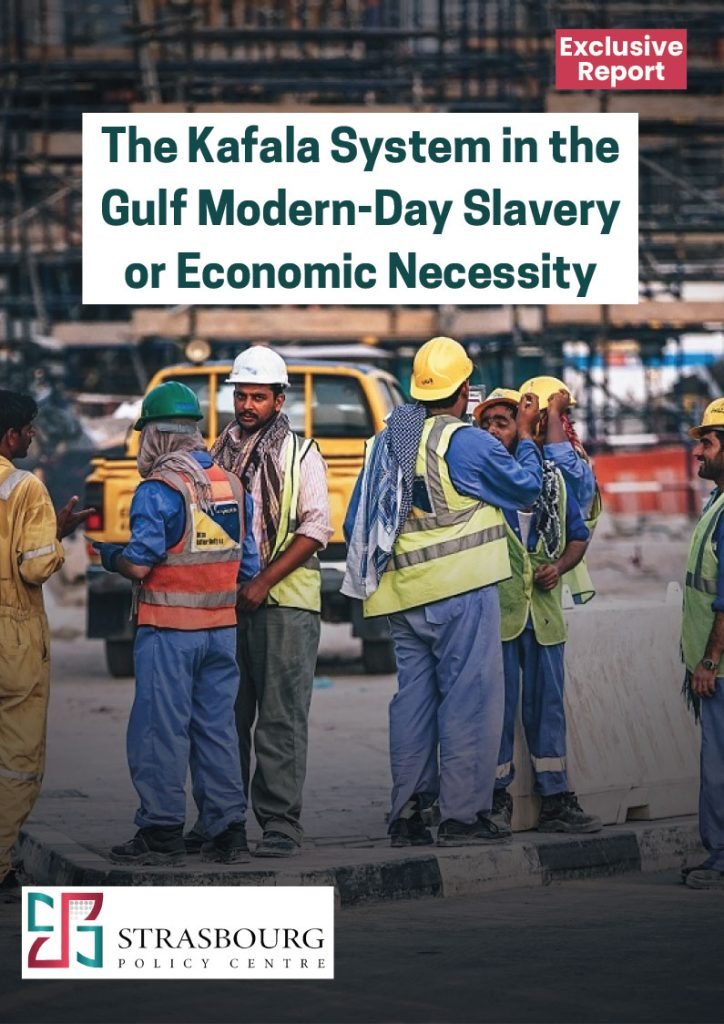
The report titled “The Kafala System in the Gulf Modern-Day Slavery or Economic Necessity” provides a deeply analytical examination of the sponsorship system governing migrant labor across Gulf Cooperation Council (GCC) states and related Middle Eastern countries. It delves into the complex architecture of the kafala system, its historical evolution, mechanisms of control, pervasive abuses, reform attempts, and international implications.
The kafala system originated in the 1950s as a legal framework to regulate the influx of foreign laborers needed to fuel the Gulf’s rapid economic expansion driven by oil wealth. The system binds migrant workers’ residency and employment status to local employers, called “kafeels” or sponsors, granting these sponsors extensive control over workers’ lives. This employer-tied sponsorship was intended as a flexible labor management tool during periods of economic growth.
Mechanisms of Control and Exploitation
At the core, the kafala system enables employers to control vital aspects like workers’ mobility requiring exit permits to leave the country and employer permission to switch jobs. Confiscation of passports, contract substitutions upon arrival, and wage theft are common practices that exacerbate workers’ vulnerabilities. Restrictions on forming unions and collective bargaining further diminish migrant workers’ negotiating power. The entrenched system creates structural imbalances that institutionalize dependency on employers and restrict access to justice.
Human Cost and Systematic Abuses
The report highlights the grim human consequences of kafala-based labor migration. Physical abuse, unsafe and unsanitary working conditions, psychological trauma, and unexplained high mortality rates among migrant workers paint a distressing picture. Heat-related illnesses and deaths are alarmingly frequent due to the Gulf’s extreme climate exacerbated by inadequate labor protections. Domestic workers, mostly women from South and Southeast Asia and East Africa, face significant exploitation, including forced labor and sexual abuse, with limited avenues for recourse.
Country-Specific Conditions and Reforms
Saudi Arabia’s mega-projects exemplify the scale of exploitation sustained under kafala despite official modernization ambitions. Investigations reveal persistent abuses including recruitment debt bondage, wage theft, and dangerous working environments. Although reforms aim to allow workers more freedom to change jobs and leave without employer consent, enforcement is patchy and insufficient.
The United Arab Emirates presents a stark contrast between the prosperity visible in iconic urban developments and the harsh realities faced by migrant laborers. Domestic workers are particularly marginalized, lacking legal protections and enduring severe exploitation. Reported reforms fall short of dismantling employers’ grip over workers.
Smaller GCC states such as Kuwait, Bahrain, and Oman maintain similarly restrictive frameworks with varying degrees of reform. However, the fundamental employer sponsorship model persists, sustaining a system of control that limits meaningful rights and protections for migrant laborers.
The Illusion of Reform
While many Gulf states have announced reforms, the report argues these efforts are largely cosmetic, preserving kafala’s core structure that perpetuates exploitation. Weak enforcement, continued exclusion of domestic workers from labor laws, and informal employer power undermine progress. The system’s economic benefits to Gulf states and their corporate partners reinforce resistance to genuine change.
International Complicity and Accountability Failures
The report points to global complicity by multinational corporations, international sports bodies, and Western governments that enable and legitimize the kafala system through economic engagement despite documented abuses. FIFA’s awarding of major sports events to Gulf countries despite labor violations exemplifies the prioritization of commercial interests over human rights. International labor governance mechanisms lack enforcement power, allowing systematic violations to continue unchecked.
Toward Abolition and Real Reform
Concluding, the report emphasizes the necessity of fully decoupling workers’ legal status from employer sponsorship as foundational to ending systemic exploitation. It advocates for comprehensive labor law protections extended universally, robust and independent enforcement bodies, accessible complaint mechanisms, and accountability for violators. The abolition of exploitative recruitment fees and recognition of workers’ rights to organize are vital components of genuine reform. Without such transformative changes, the report warns that the kafala system will remain a modern form of labor bondage incompatible with human dignity and international standards.
So, “The Kafala System in the Gulf Modern-Day Slavery or Economic Necessity” presents a thorough and sobering critique of the kafala framework, documenting the intersection of economic imperatives, legal structures, and human rights challenges. It calls for sustained international pressure and fundamental policy shifts to ensure just and humane treatment of migrant workers in the Gulf.