The 2025 diplomatic breakage between France and Algeria is the most notable in a long time since Algeria gained independence in 1962. The unresolved colonial trauma is still present across all levels of bilateral activity, including the symbolic state visit level to the policy-making level related to North Africa. The history of the Algerian War of Independence is still an emotional and political sore spot, with the historical memory being challenged in both Paris and Algiers.
The political leaders in France are recurrently under pressure to address colonial injustices on a broader level, and the leadership in Algeria reinforces accounts of sovereignty, self-determination and resisting neocolonialism. This ingrained history still leads to suspicion especially when there is a diplomatic drift and every contemporary dispute is put in a post-colonial perspective. The course of France-Algeria relations since 1962 had been marked by periods of rapprochement and political confrontation, and the ongoing crisis has been fuelled by a combination of historical score settling and a geopolitical conflict.
The Western Sahara Issue’s Renewed Impact
The last escalation was brought on by President Emmanuel Macron in July 2024 when he announced his intent to publicly endorse the autonomy plan of Western Sahara proposed by Morocco. This was a great step out of France being very neutral on the status of the territory. The Moroccan plan was referred to in a letter to King Mohammed VI by Macron as the sole sensible and plausible foundation of conflict resolution, reversing several decades of diplomatic ambiguity.
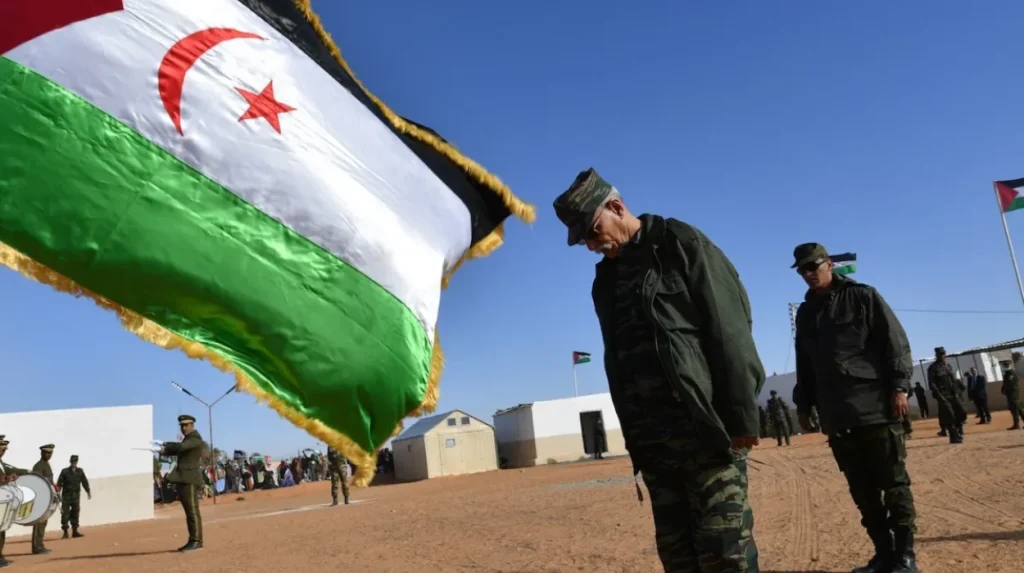
Ever since the 1970s, Western Sahara has been the focal point of tensions in the North African region. Morocco claims most of the territory as its sovereign and Algeria backs the campaign of the Polisario Front on Sahrawi self-determination. With his open support of the cause of Morocco, Macron was seen in Algiers as a very literal insult to its regional policy and a betrayal of the old French diplomatic equilibrium. To the wider Maghreb, it was an indication of an inclination towards Rabat during a period that Algeria is trying to project itself as a regional powerhouse.
Algeria’s Strong Diplomatic Response
In reaction, Algeria withdrew its ambassador in Paris and made a vehement denunciation of the French move which they termed as destabilizing move with potential far-reaching consequences. The Algerian foreign ministry condemned Paris, saying it was not taking into account the impact on the region, but instead, was politically opportunistic and weakening conflict mediation structures that were supported by the United Nations.
According to observers, the change is also a sign of the changing strategic calculations by France, particularly considering that Morocco has improved relations with Western allies in the aspects of counterterrorism, migration, as well as trade. The weakened power of Algeria in the Sahel region and the indifferent attitude of certain European states have strengthened the defensive position of this country. The French backing of the Moroccan claim on Western Sahara does not only isolate Algeria at the diplomatic level, but also questions the longstanding Algerian foreign policy principle of backing anti-colonial self-determination movements.
Escalation Beyond Western Sahara
The after-effect of the Macron endorsement created a wave of retaliatory action between Algiers and Paris. During the following months, the two governments expelled high-level diplomats. The situation was worsened when an Algerian consular official was arrested in Paris on allegations that he had been involved in the kidnapping of an opposition activist. Algeria reacted by expelling twelve French diplomats, and the French government reacted likewise.
Tensions escalated by the start of 2025 with another fifteen French security agents expelled by Algeria. France condemned these expulsions as politics. Both sides reduced their embassy operations, which impeded communication and stopped cooperation on important matters, including combined security operations, control of migration, and sharing of intelligence in the Sahel.
Detention Of French-Algerian Cultural Figures
In addition to the diplomatic sphere, tension was transferred to the realm of the cultural and civil society. The case of French-Algerian novelist Boualem Sansal and French journalist Christophe Gleizes being sentenced in late 2024 attracted worldwide concern. They were both indicted on national security charges, a move that was largely seen as an attack against dissent and in reaction to perceived meddling by France in Algerian affairs.
These incidents further divided the societies, worsening the relationship between the Franco-Algerian societies and sparking issues about freedom of speech. France publicly aired the issue of human rights and Algerian officials denied this allegation as being against their sovereign processes of justice. The overall outcome has been the narrowing of cultural dialogue and trust of the two societies to each other.
Economic And Migration Consequences
The diplomatic war has had a great impact on trade flows. The French exports to Algeria plummeted by more than 20 percent during the first quarter of 2025 especially the automotive parts, pharmaceuticals and agricultural imports. Similar to its efforts to establish closer economic relationships with Italy, China and Russia, Algeria has further marginalized French economic interests in Algeria.
The administration of Macron reacted with the suspension of the visa privileges the Algerian diplomats had enjoyed due to the bilateral agreement of 2013. This move came at a time when there was a 17 percent rise in the number of Algerian nationals in France who got deported and this further contributed to already strained migration trends. Analysts have described the visa suspension as a strategy pressure as well as symbolic break in trust between the two countries.
Migration Controls And Public Sentiment
History Migration has been an important feature of the relations of France and Algeria. Considering that there are more than five million individuals of Algerian origin in France, any changes to the visa policies, deportation policies, or travel policies have direct social implications. In Paris, Marseille and Lyon, community leaders have confirmed that dual nationals as well as Franco-Algerian families have been experiencing more unease over bureaucratic setbacks and enhanced security screenings.
Historians and the representatives of civil society believe that the new migration restrictions are paternalistic, referring to the colonial times. The political backlash has undermined the consular services and broken family bonds, education exchanges, and cultural programs through which the post colonial divide was bridged.
Broader Geopolitical Implications And The Path Ahead
The France Algeria crisis has outgrown its roots in Western Sahara and revealed fundamental divisions in post colonially based diplomacy and existing strategic sensibilities in North Africa. The more confrontational regional stance of Algeria and the high status of Morocco in Western and European security systems are indicators of a realignment of alliances, which places France on the wrong side of new fault lines.
In the case of Paris, the decision to join Rabat may have been judged considering the growing usefulness of Morocco in the security of the southern flank of the European continent and its possible contribution to the control of migration flows and combating extremism. Yet this decision has alienated a formerly critical ally in Algiers and may have cost France in the longer term its reputation as an impartial participant in the politics of the Maghreb.
The conflict also places European Union cohesion at risk. While France shifts closer to Morocco, Italy and Spain continue to pursue their own North Africa strategies, including active engagement with Algeria for energy and migration cooperation. This divergence complicates collective EU diplomacy and raises questions about coherence in the bloc’s southern neighborhood policy.
Whether Paris and Algiers can repair their relationship remains uncertain. The immediate diplomatic future will depend on mutual gestures, including public dialogue, the easing of visa restrictions, and possible mediation by third parties such as the African Union or United Nations. Without such steps, the current estrangement could become institutionalized, reshaping Mediterranean relations for years to come.
The France Algeria crisis, reignited by Western Sahara but driven by deeper historic and geopolitical currents, continues to evolve in unpredictable ways. As 2025 unfolds, the question remains whether the two countries can find a path back to cautious cooperation or whether the legacies of history will once again override the imperatives of the present.