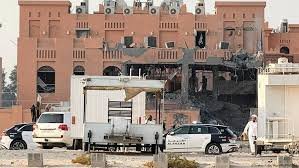
The Strasbourg Policy Centre expresses grave concern over the Israeli airstrike conducted on 9 September 2025 against targets in Doha, Qatar an act that cannot be justified under any circumstance. This operation, striking a sovereign nation during ongoing ceasefire negotiations, poses a serious threat to regional peace and severely undermines the credibility of public diplomacy, particularly in Europe’s engagement with the Middle East.
This attack was directed against Hamas leaders meeting in Doha to weigh a U.S.-backed ceasefire proposal. Qatar, a pivotal mediator in the long and bloody Gaza conflict, has never wavered in its efforts to broker peace. By targeting those in the midst of dialogue, the strike not only disrupted an essential negotiation channel but also signaled disregard for diplomatic norms. The United Nations swiftly condemned the strike as a “flagrant violation of the sovereignty and territorial integrity of Qatar” , while Germany called it “unacceptable,” citing the damage to ceasefire efforts and regional stability . UK Prime Minister Keir Starmer denounced the violation of Qatari sovereignty and warned of escalating regional peril . Such unified international condemnation underscores the gravity of the offense.
Europe, positioned as a champion of multilateralism and diplomatic resolution, must act decisively.
We call upon:
- The European Commission to immediately issue a formal condemnation of Israel’s actions affirming that undermining sovereign states through military force during peace talks is antithetical to EU values and counterproductive to peace.
- The European Council to convene an urgent session. European heads of state and government must denounce this act, affirm solidarity with Qatar as a mediator, and signal that the EU stands behind diplomatic solutions rather than unilateral military provocations.
- The European Parliament to pass a resolution denouncing the strike, stressing that the preservation of diplomatic channels is essential to de-escalating the conflict. The Parliament must defend the role of public diplomacy and insist on accountability where unilateral actions threaten fragile peace.
This strike poses a multifaceted danger. First, it erodes trust in mediation: actors are now likely to question whether participating in dialogue invites targeting, rather than protection. Qatar, long a trustworthy intermediary has been compromised, and the very channels essential for saving lives are now in jeopardy. Although Qatar continues to affirm its commitment to mediation , the strike casts doubt on the safety and viability of such roles.
Second, it undermines regional peace architecture. This act threatens to ignite wider confrontation, pulling Gulf states further into tensions and diverting attention from conflict resolution. The strike killed multiple individuals reports cite five casualties including the son of a senior Hamas figure, and potentially a Qatari security officer intensifying outrage and destabilizing diplomatic goodwill.
Third, it damages the integrity of public diplomacy. European institutions have long supported peaceful engagement, humanitarian principles, and dialogue. If a sovereign mediator like Qatar can be attacked while negotiating, this unsettling precedent may chill European initiatives to engage, mediate, or support regional peace efforts.
Europe’s credibility on the global stage hinges on consistent support for international law and diplomacy, particularly in the Middle East where conflict fatigue is deep. Failure to respond firmly to this breach risks undermining the European Union’s very identity as a normative power. A robust, values-driven response is both strategically necessary and morally imperative.
We therefore insist that the European institutions:
- Clearly articulate a unified position condemning the attack, highlighting its threat to sovereignty, mediation, and peace.
- Support reinvigorated mediation mechanisms, including through providing diplomatic backing to Qatar and multilateral platforms like the UN Security Council, which called an emergency meeting in response to the strike .
- Insist on accountability, urging investigations into the legality of the strike under international law, and exploring diplomatic measures, sanctions, or formal rebuke for actions that violate the norms of peaceful dispute resolution.
- Reaffirm and expand European support for humanitarian and diplomatic efforts to secure a lasting ceasefire and eventual political resolution to the Gaza conflict.
Nothing threatens peace more than the silencing of diplomacy by force. The Brussels-Doha channel now lies wounded; Europe must ensure it is resurrected stronger, and that the lessons of this attack reinforce not erase our commitment to dialogue, law, and humanity.