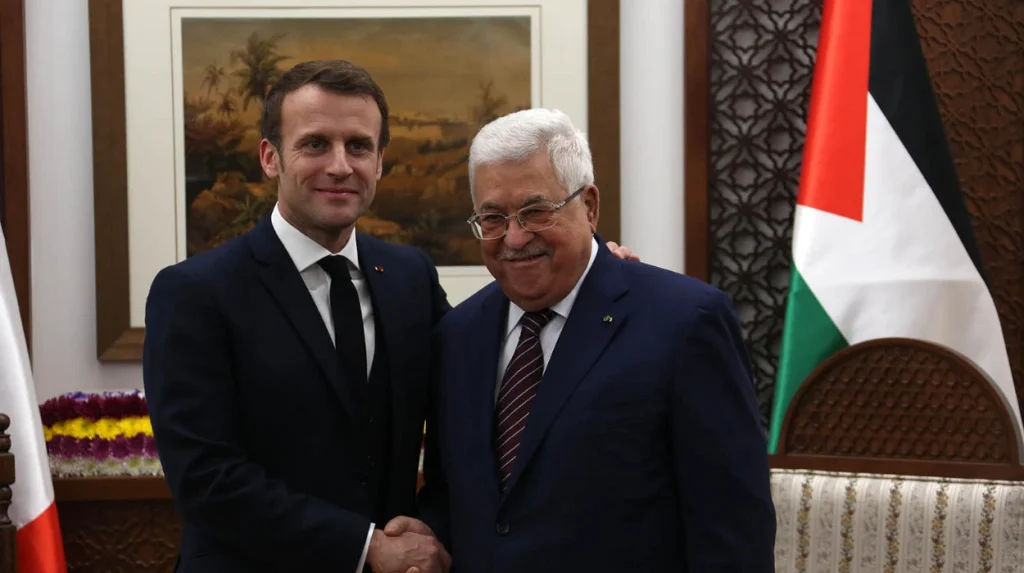
The French government’s recognition of the State of Palestine in 2025 is a significant departure from the diplomatic prudence that has been the norm in the West. President Emmanuel Macron’s move reorients France’s Middle East position and places it at the center of shifting geopolitical dynamics.
The recognition was officially declared by President Macron in July of 2025 and would come into effect during the next UN General assembly. He termed the move as a bigger French promise of a just and durable peace. Humanitarian access, demilitarization of Hamas and adherence to international law were also mentioned in the statement concerning stability of the region in the long term.
France As The First G7 Country To Act
The recognition by France stands out as the first case of state level recognition given to Palestine since France is a G7 and major western power. France has a lot of influence due to its position in the EU and its influence in world affairs and the step will have a disproportionate effect as more than 130 countries already have accepted Palestine. This move is an indication that it is unhappy with stalled peace talks and being frustrated by the status quo.
Responses From Palestinian And Israeli Leadership
The political reactions of the decision of France have been polarised. Palestinian Authority has accepted the development, whereas Israel has warned sternly and objected diplomatically.
Positive Reception From The Palestinian Authority
The officials of the Palestinian Authority responded to this news by welcoming France in record time. Hussein al-Sheikh, a senior figure in the PA commented that the recognition provides new life to their claim of self-determination. This is considered by the Palestinian leadership as a kind of international recognition in the face of severe internal and regional pressures.
Sharp Rebuke From Israel’s Government
The answer of Israel was starkly negative. Prime Minister Benjamin Netanyahu described the move as a reward of terror with the October 2023 Hamas attack in the background of his critique. Israel government representatives add that the move by France emboldens radicals and does not involve crucial bilateral discussions.
Regional And Global Diplomatic Repercussions
The unilateral recognition of France can initiate change in regional and international relations. Potential consequences of the step include its impact on the policy of other powers in the context of the Israeli-Palestinian conflict, in particular, Western and Arab states.
Canada And The UK Consider Similar Steps
Canada retorted by indicating conditional interests in recognizing Palestine in case some reforms are met by Palestinian Authority and a ceasefire by Hamas. The United Kingdom being less adventurous than the rest assured that recognition would be conditional on the basis of whether there was progress on the ground especially when it comes down to violence.
Arab States Navigate Between Principles And Realpolitik
Saudi Arabia and Jordan are Arab countries that received the decision with reserved acceptance. Although these states insist on the importance of the future Palestinian sovereignty, they are afraid to be seen as supporting the military activities of Hamas. The move by France can also play a role in legitimizing the moderate voices among those in the region who demand recognition of Palestine not supporting extremism.
Realigning Global Middle East Strategy
The recognition by France also shows that there is a shift in the global Middle East policy formulations. The change would leave a permanent impact on the approach of the multilateral organizations and individual countries towards peace within the region.
A Divergence From The U.S.-Led Framework
It has always been a requirement that the United States demands negotiations between Palestine and Israel as a condition of recognizing the state. The unilateral step by France is indicative of a motivation to abandon this strategy. European allies now can be tempted to re-evaluate their positions without U.S. leadership or obvious results of the peace process outcomes.
Prospects For EU-Wide Policy Shifts
The move of France will revive disputes in the European Union. Other countries whose aid was sympathetic to the Palestinian cause such as Ireland and Spain can be influenced to do so. A nascent EU agreement, but not consensus, members may exert additional diplomatic pressure on Israel and increase pressure on the need to talk.
Historical Legacies And France’s Regional Positioning
The move in France is symbolic and historic. Since the colonial carving of the area to the modern aftermath of those conjectures, France is now looking to remodel itself as an ethically considerate agent and can implement a newer discourse.
Post-Colonial Responsibilities And Public Sentiment
The motivations behind the move made by France have been traced by many observers back to its historical contribution to the Sykes-Picot Agreement, which set the foundation upon which the current borders of the Middle East exist. According to France, by acknowledging Palestine, it aims at rectifying its colonial past. The domestic decision is also a reaction to the increased pressure among US citizens on the government to follow a more moderate and rights-oriented policy in the Middle East.
Balancing Domestic Political Considerations
Middle East policy is a domestic sensitive issue since France has a large sizable Muslim and Jewish populations. The recognition strategy by Macron seems to be an attempt at advertising France as a just broker, who looks after both security and justice. The recognition could be used to relieve tensions with the constituencies which see the past French positions as too imbalanced in favor of Israeli positions.
Operational Challenges Ahead For France And Allies
It cannot be solved by recognition alone. France and possible partner nations have insurmountable challenges of carrying the symbol of this change to real practice in the field.
The Question Of Palestinian Political Fragmentation
Palestinian lands are politically divided with Hamas controlling the Gaza Strip and Palestinian Authority having little influence in the West Bank. The recognition of France is specifically done with reference to the PA, not to Hamas, which indicates unenforceability and legitimacy of governance. Maintaining that representation does not embolden extremist groups will need effective monitoring and political coordinations.
Linking Recognition To Institutional Reform
France and likeminded nations have emphasized that recognition is contingent on reform. This includes commitments to anti-corruption, democratic governance, and non-violent resistance from the Palestinian Authority. However, such reforms will take time and depend on internal political will as well as external financial and institutional support.
Humanitarian Concerns Continue To Shape Policy
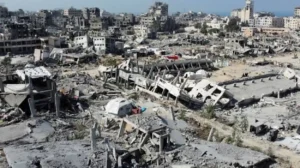
The dire humanitarian situation in Gaza lends urgency to France’s decision. Over 35,000 deaths since October 2023 and severe food shortages have turned Palestine into a moral flashpoint in international discourse.
Aid, Access, And Civilian Protection
France has paired its recognition with an immediate call for humanitarian aid access. Macron’s administration is coordinating with the European Commission to provide logistical and medical support to civilians in Gaza. These moves aim to show that France’s engagement is not merely symbolic but addresses ground-level suffering.
Recognition As A Humanitarian Catalyst
France’s step is seen as an attempt to trigger greater humanitarian commitment from other countries. By placing human security alongside statehood, France hopes to anchor its recognition in practical outcomes. Macron has urged the international community to use recognition as a platform to push for open borders, medical access, and food aid.
Political analyst Akila Day offered a clear-eyed view of the situation:
“France’s recognition is less about immediate peace and more about shifting international pressure toward a sustainable Palestinian future. It underlines the urgent need for pragmatic diplomacy that navigates complex realities with an eye on justice and security.”
After Macron announced that France will recognize the state of Palestine, many dismissed the move as merely symbolic. But this week brought signs that Macron’s announcement is having a real effect on international politics. My latest in @amconmag. pic.twitter.com/VnLIwAYuqc
— Andrew Day (@AKDay89) July 30, 2025
France’s move to recognize Palestine is more than a political gesture—it signals a pivotal rethinking of international diplomacy in one of the world’s most entrenched conflicts. Whether this new stance leads to renewed negotiations or greater geopolitical friction will depend on how successfully it is supported by coordinated reforms, humanitarian action, and sustained diplomatic engagement. As the landscape continues to evolve, France has opened a path that others may soon follow, reshaping the future of Middle Eastern diplomacy one recognition at a time.