In July 2025, Airbus Defence and Space entered into an iconic eight-year contract with France Directorate General of Armaments (DGA), whereby it would educate all the cybersecurity personnel working inside the French Ministry of the Armed Forces. A training programme, the deal is also part of the national strategy of France to strengthen its cyber positioning against the changing situation of threats in the digital world.
It is this initiative that sets Airbus as one of the top contractors whose sole role is to design, manufacture, and support complex cyber training systems. These facilities resemble the real-world military IT infrastructure, including the battleground command systems and even the classified IT infrastructure. The agreement is expected to enhance France’s operational resilience and readiness against cyberattacks targeting its military networks and critical assets.
Immersive Training Platforms And Realistic Scenarios
Cyber Defence Academy And The Rennes Training Hub
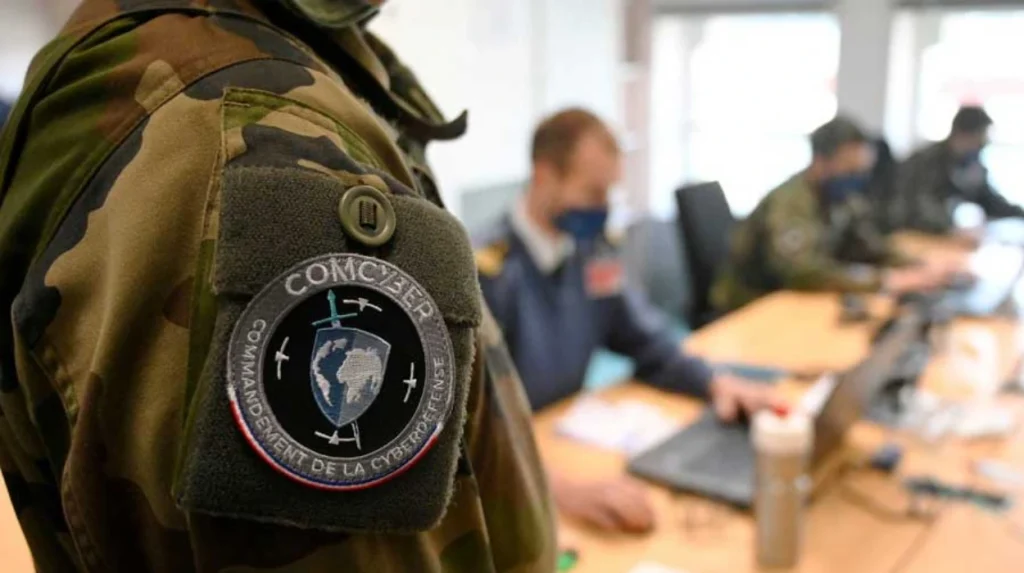
Central to the agreement is the development of a new cyber training facility inside the Cyber Defence Academy of the Cyber Defence Command (COMCYBER) in Rennes. This facility will host specialized courses tailored to a wide range of cyber roles. These include incident responders, ethical hackers, and cyber strategists tasked with either protecting or disrupting digital systems.
The training draws heavily on CyberRange platforms—real-time simulation environments that replicate digital warzones. The platforms allow students to engage in live cyberattacks and defences involving ransomware, system intrusions, network manipulation, and even disinformation campaigns.
Simulation Of Real Military Infrastructure
Airbus’s technology replicates highly sensitive IT environments such as C4ISR systems (Command, Control, Communications, Computers, Intelligence, Surveillance, and Reconnaissance). These systems are foundational to modern defence coordination. By simulating their vulnerabilities and interdependencies, trainees are better prepared to anticipate and contain cyber threats that may paralyze military operations.
The training also integrates exercises like Orion and DefNet, large-scale national and multinational drills that involve interoperability across NATO partners. The realism embedded in these simulations shortens the learning curve for military personnel and ensures theoretical knowledge translates into practical, combat-ready skills.
Airbus’s Experience And Educational Reach
Decade-Long Expertise In Cyber Training
Airbus brings nearly ten years of experience developing CyberRange platforms used across Europe in defence ministries, government agencies, and academic institutions. Its cyber experts—numbering over 450 professionals—have helped build a training ecosystem trusted by both public and private security actors.
Programmes like ‘Passe ton Hack D’abord’ show Airbus’s commitment beyond military training, having introduced over 7,000 students to foundational cybersecurity principles. This outreach model plays a dual role in strengthening national capacity and cultivating future defence personnel.
Innovation Through Startups And SMEs
In partnership with innovative startups and small tech firms, Airbus is enhancing its platforms with machine learning, behavioural analytics, and threat detection automation. This collaborative model allows real-time updates to training content in response to emerging tactics used by cyber adversaries.
By engaging these tech pioneers, Airbus ensures that training scenarios reflect cutting-edge attack vectors, from quantum-computing-based codebreaking to AI-assisted phishing. The incorporation of such tools transforms trainees into adaptive defenders prepared for future digital conflict.
Enhancing France’s Cyber Defence Capabilities
Expanding The Skilled Workforce
A key outcome of the Airbus-DGA contract is the accelerated expansion of trained cyber experts in uniform. As digital threats against France’s armed forces grow—ranging from infrastructure sabotage to surveillance—so does the urgency of maintaining a capable and continuously evolving cybersecurity force.
Airbus’s training modules combine classroom instruction, operational coaching, and dynamic threat simulations. This layered approach builds both technical proficiency and strategic foresight, essential for defending against coordinated cyber campaigns.
Supporting Operational Cyber Readiness
Beyond theoretical learning, Airbus operates Security Operations Centres (SOCs) inside France and Tactical SOCs for its deployed missions abroad. These operational hubs serve as real-time testbeds for training outcomes, allowing instructors to align learning objectives with real incident data.
The dual role of trainer and security operator strengthens the feedback loop between learning and performance. As a result, cyber warriors are not only better trained but better synchronized with ongoing defence operations.
Challenges And Future Outlook
Balancing Innovation With System Security
The items that are used to educate against cyber warfare due to the realistic simulations of mission-critical systems should also be guarded against subversion. This involves a high level of access control, encryption, and monitoring in order to ensure the security of the simulations and at the same time enable full-scale testing.
Also, since the digital warfare tactics are developing at incredibly high rates, Airbus will have to upgrade its platforms on-going. The collaboration with startups is a possible way out, yet the combination of various actors, on the one hand, and the high level of cybersecurity requirements, on the other, will remain a burning issue.
Scaling Up Without Compromising Quality
Cyber professionals are required by France not only in the military sector. With the growing and immense risk and threat of cyberattack, essential critical infrastructure capacities, such as in the energy, health care, and transport sectors, are running out of qualified talent.
Educational outreach by Airbus can potentially fill this gap, however increasing the number of trainees without declining in quality is possible only through well-thought-out curriculums and instructor preparation. They will require coordination with civilian providers of education and industry regulators to harmonize standards.
Voices From The Industry
Airbus Defence and Space described the agreement as a “defining step” in its strategic role supporting European defence infrastructure. The company stressed that cybersecurity is no longer a specialty but a requirement in part of the national defence operations.
The French Directorate General of Armaments emphasized that the transaction will make sure that they enjoy complete operation sovereignty in cyberspace by ensuring that the staff is ready to counter, counteract, as well as recover in case of a cyberattack through the various threat vectors.
If these assertions reveal one point of consensus, it is that military preparedness in the present day relies much on servers and programs as it does on troops and tactics.
Military Cyber Defence In The Era Of Hybrid Warfare
Redefining Military Readiness
The Airbus-DGA agreement is part of a general defence policy change. With the spread of hybrid warfare, in which state-sponsored entities are turning not only to traditional military actions but also digital sabotage, nations will also need to prepare their forces to operate both in the physical and the digital realm at the same time.
Simulations of cyberattacks that rely on misinformation campaigns, for example, enable soldiers to know how digital operations can be conducted either before or alongside conventional attacks. This combined consciousness is key towards battlefield superiority.
France’s Role In European Cybersecurity Leadership
The fact that France invests in advanced cyber training also strengthens the role of this country as the leader in the sphere within the EU. When the concept of cyber sovereignty stands on the brink of the European defence policy, the 2013 Airbus programme provides an exemplarity towards the way states can bring to life the digital capabilities of defence.
It makes a statement to both the NATO allies and foes, France is earnest about combating cyber threats not with speeches, but preparedness, practice, and advancement.
The Digital Warrior’s New Battlefield
Cyber war to date is much more than military directives or secrets of the states. The lack of borders and few rules are becoming evident in the attacks on satellites, drones, and critical infrastructure and even on election processes. The road is unsteady and Airbus-France alliance attempts to produce cyber warriors that will be able to maneuver this landscape- not at all with devices alone, but with discretion.
France does not stand alone with regard to these issues, however, its investment in this contract leaves it as one of the few trying to find a system wide approach. The results of these activities will be realized in the next few years not only in national readiness parameters, but also, the capacity of cyber defenders to think and act quickly to defend systems that are becoming more characteristic of modern sovereignty.
With the growing digital frontier, the requirement of cyber warriors will only magnify as only skilled, disciplined, and armed people can perform this job. What France builds today with Airbus may well determine how conflicts are won tomorrow.