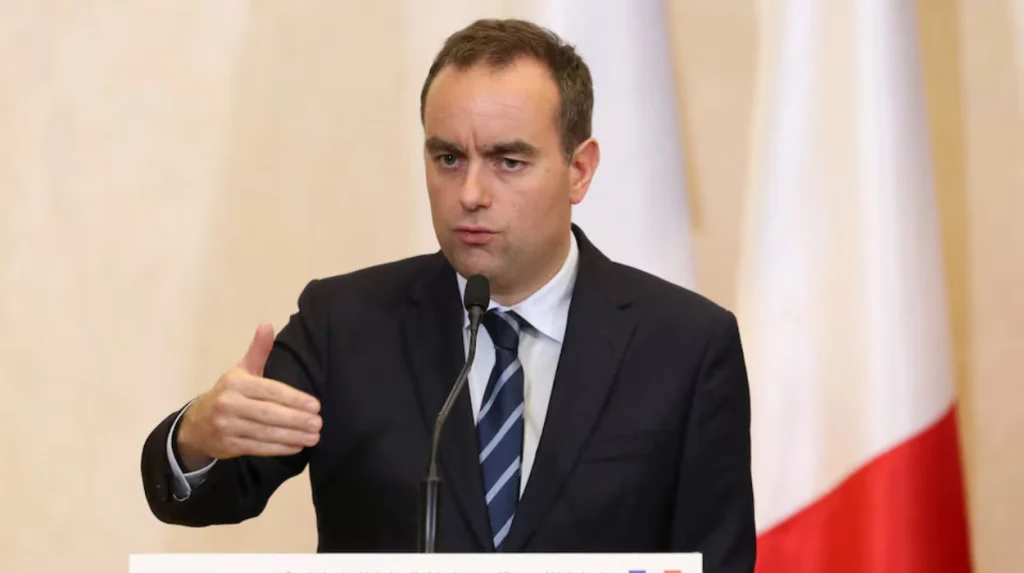
The period between June 24, 2025 (when a tense and precarious ceasefire between Israel and Iran was realized) and the preceding 12 days, during which Iran and Israel engaged in an aggressive conflict which was characterized by missile strikes, drone attacks and American airstrikes against Iranian nuclear plants, was a tense and fragile ceasefire between Israel and Iran.
France has taken a loud voice on de-escalation asking all to do so as the result of this is the spiral of chaos that poses regional and one international security. The French President, Emmanuel Macron, and the Ministry of Europe and Foreign Affairs have insisted on the importance of sudden restraint, dialogue, and a negotiated solution to solve the roots that nourish the conflict.
The independence of France, the nature of the ceasefire, speeches of major stakeholders and the overall implications into stability and peace in the Middle East in 2025 are some of the aspects that will be analyzed.
The Fragile Ceasefire and Its Context
Background of the Conflict
The situation heightened a lot when the United States carried out airstrikes on Iranian nuclear and missile facilities on June 22, 2025. Dangerously, Iran fired missiles at U.S bases in Qatar and Iraq on June 23 in retaliation. Israel increased its attacks against Iranian nuclear facilities as well as against facilities used by their military, causing large-scale damage and killing of hundreds of Basij personnel.
This tit-for-tat strikes reached its end with a U.S brokered ceasefire on June 24, 2025 that was signed off by both Israel as well as Iran though there were immediate claims of breaches. During the NATO conference in The Hague, U.S. President Donald Trump affirmed the ceasefire and said it was “going very well.”
France’s Response to the Escalation
France criticized Iran over the firing of rockets against U.S. forces in Iraq and Qatar, calling it a move that was fanning tensions and leading to a catastrophic build-up in the whole region. The French Ministry for Europe and Foreign Affairs , was in total support with Qatar and it reaffirmed its obligation to the security and sovereignty of illustrious partners in the region.
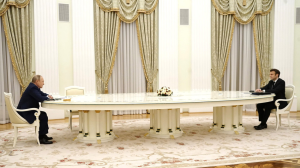
In order to respond to the already tense situation, President Macron addressed the Defence and National Security Council on June 18, 2025. He was concerned with Israeli attacks that have begun to focus more on targets that have nothing to do with the nuclear program in Iran and increase in the casualties along both sides. Macron pointed out the dire need to put an end to military activities that affect regional stability.
France has brought its crisis and help centers into action so that French nationals in the region can be safe and it highly discourages traveling to Iran and Israel until the conflict dies.
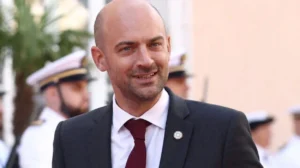
French Foreign Minister Barrot on the Israel-Iran conflict:
— Open Source Intel (@Osint613) June 20, 2025
France is not involved in any preventive war. We’ve called for de-escalation, restraint, and an immediate end to the strikes. France remains committed to international law. pic.twitter.com/3dFQRS9iPt
Statements from Key Stakeholders
France
The significance of diplomacy and moderation is emphasized in France’s official statements. “France calls on all those involved to exercise restraint and work towards de-escalation,” said a spokesman for the Ministry for Europe and Foreign Affairs. It exhorts Iran to start talks right once in order to reach a deal that resolves all issues related to its missile and nuclear programs as well as its destabilizing actions.
President Macron again noted that the only way of solving the nuclear and ballistic missile program in Iran is through negotiation and there is no other way. He charged the successor to the Minister responsible for Europe and Foreign Affairs to initiate a step in close cooperation with European partners, to suggest a strict negotiated settlement that would be able to resolve the conflict.
Israel
Israel Prime minister Benjamin Netanyahu said that Israel had fulfilled all the targets of its assault on Iranian nuclear and missile programs where it claimed air supremacy over Tehran and hitting the heart of the Iranian government. Netanyahu even thanked the United States, especially former president Donald Trump, for their aid in fighting the Iranian nuclear threat.
Israel agreed to a truce plan brokered by the United States and threatened to act intensely in case of its violation.
Iran
The Supreme National Security Council in Iran said the success of the military compelled Israel to accept a unilateral ceasefire. Iranian authorities announced their preparedness to counter any possible aggression in future and warned of future vigilance.
Nonetheless, Iran has in addition stopped cooperation with International Atomic Energy Agency (IAEA), which came after a parliamentary vote to bypass legislation to end cooperation with the U.N. watchdog agency, which monitors the Iranian nuclear program.
United States
President Donald Trump facilitated an important role in the ceasefire and assured during the NATO summit that it was working well. Once the United States officials in the military saw the destruction caused to Iranian nuclear facilities, they remained skeptical that more devastating effects could arise in the long-run.
The U.S politics is divided. Republican Nancy Mace hailed the ceasefire as a historic event, whereas Democrat Alexandria Ocasio-Cortez said any unilateral military action was illegal and unconstitutional. The Vice President JD Vance advocated the revamping of the peace effort.
European Union and Other Partners
Foreign ministers of France, Germany, the United Kingdom and the High Representative of the EU requested an urgent diplomatic outreach to Iran. They also noted the weak ceasefire and they stressed on avoiding the resumption of hostilities.
Dissatisfied with the laws being broken by Israel in regard to human rights the EU is looking into it wondering what Israel is doing in terms of human rights during the conflict.
The Human Cost and Regional Security Risks
Civilian Casualties and Collateral Damage
The war has led to circumstances whereby more and more civilians are killed on both fronts. Israeli aerial attacks have become more significant in hitting targets that bear no direct relations to Iranian nuclear and ballistic systems, which is both alarming to proportionality and they do not care about innocent lives.
The increase in the civilian casualties has enhanced the appeal by France and other international players to stop fighting at once and honor the provisions of international humanitarian law.
Risk of Wider Regional Escalation
France cautions that the cycle of chaos threatens to escalate to a wider scale war in the region with historic disaster. This delicate balance in the Middle East may be even more threatened in the event that violence breaks out again either domestically and/or internationally including other regional powers and proxy factions.
The attack of the missiles on U.S troops in Qatar and Iraq is an illustration of the danger that the war may spread beyond the borders of Israel and Iran which might engage world powers in the war endangering international security.
Diplomatic Efforts and the Path Forward
France’s Push for Negotiations
France is busy in diplomatic moves to bring Iran and Israel to the negotiation table. The government of Macron underlines the idea that only the negotiated settlement that reduces the nuclear ambitions of Iran and the destabilization of the regions can lead to permanent peace.
The suggestion by France on Iran to immediately get involved in negotiations is in keeping with the overall European and U.S policies on using pressure and negotiations together.
The Role of International Organizations
Even in the suspension of cooperation by Iran, the International Atomic Energy Agency plays a major role. IAEA Director General Rafael Mariano Grossi has said it is time to restart inspections and review the Iran stockpiles of nukes.
International organizations, including the United Nations, should provide contributions in supervising the implementation of ceasefire and provision of humanitarian assistance.
The Fragile Ceasefire’s Future
Challenges to Stability
Although there is a ceasefire situation at the moment, the first violations and counter-accusations highlight the unsteadiness of the situation. Both countries, Israel and Iran have threatened to retaliate in case the other party violates the truce.
The political situation in the country, such as steps taken by the parliament to advance the nuclear program and discontinue the cooperation with IAEA, implies the existence of the tension.
Hope for Long-Term Peace
Nevertheless, it is important to note that the ceasefire creates an opportunity to reverse this situation and to find a way of establishing communication. Together, the diplomacy of France, the mediation of the U.S. and the support of the Europeans, are in a bid to use this weak cease-fire into a lasting peace.
This window will be vital in ensuring that the international community can utilise it to ensure that open hostilities will not be resumed.