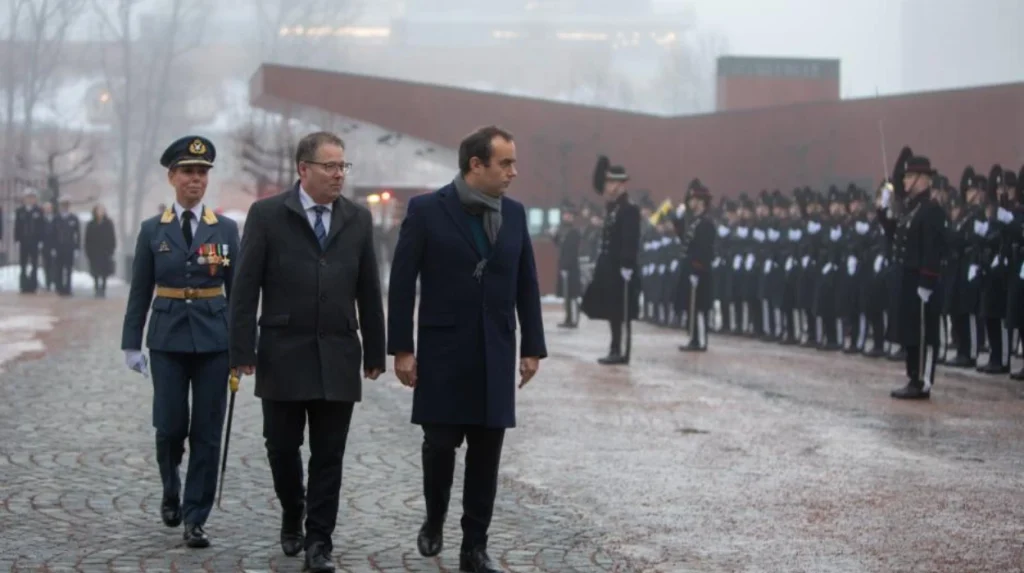
The historic state visit of French President Emmanuel Macron to Norway from June 23 to 24, 2025, marked a significant milestone in bilateral relations, being the first French presidential state visit to Norway since 1984. This visit culminated in the signing of a broad strategic partnership agreement focused on enhancing defense and security cooperation, reflecting the growing convergence of interests between the two NATO allies amid a shifting geopolitical landscape. This analysis explores the key dimensions of this partnership, its strategic context, and its implications for European and Arctic security, climate action, and economic resilience.
Historical Context and Significance of Macron’s Visit
President Emmanuel Macron’s state visit to Norway in June 2025 marked a historic moment, being the first French presidential state visit to the country in over four decades—since 1984. This long gap underscores the renewed political will and strategic intent on both sides to deepen and expand bilateral relations, particularly in the realms of defense, security, and broader geopolitical cooperation. The visit’s timing and high-level engagements reflect the evolving security landscape in Europe and the Arctic, as well as the increasing importance of transatlantic partnerships in addressing shared challenges.
The presence of Norway’s Prime Minister Jonas Gahr Støre and King Harald V during Macron’s visit signified the strong political commitment from Norway to elevate its relationship with France. Such high-profile participation highlights the mutual recognition of the strategic value of this partnership. Norway, as a key NATO member with significant interests in Arctic security and energy, and France, as a major European power with global reach, both see the benefits of closer collaboration amid rising geopolitical uncertainties.
Macron’s visit was not merely ceremonial; it was highly practical and strategically timed. Occurring just days before the NATO summit in The Hague, the visit served as a platform for France and Norway to align their positions on pressing regional and global security issues. This coordination is crucial as NATO faces complex challenges, including Russia’s ongoing aggression in Ukraine, instability in the Middle East, and emerging threats in the Arctic region. By strengthening bilateral ties ahead of the summit, both countries aimed to present a united front and contribute constructively to NATO’s collective defense and deterrence strategies.
The visit also reflects broader shifts in European defense and security policy, with increased emphasis on strategic autonomy, resilience, and cooperation among EU and NATO members. France and Norway’s agreement to enhance defense industry collaboration, joint military exercises, and Arctic security initiatives signals a commitment to adapting to new security dynamics and technological advancements.
Moreover, Macron’s visit underscored the importance of integrating security concerns with other critical areas such as climate change and sustainable economic development. Discussions on the green transition and management of Norway’s sovereign wealth fund highlighted the interconnectedness of environmental sustainability and security, a growing priority for both nations.
In summary, Macron’s 2025 visit to Norway symbolizes a renewed and multifaceted partnership, reflecting shared strategic interests and a commitment to addressing contemporary security challenges through cooperation. It sets the stage for deeper collaboration within NATO and beyond, reinforcing the importance of strong bilateral relationships in a rapidly changing global environment.
Strategic Partnership Agreement: Scope and Objectives
The cornerstone of Macron’s visit was the signing of a strategic partnership agreement that spans multiple domains:
Security and Defense Cooperation: Both countries agreed to expand defense collaboration, particularly in the maritime domain, the High North (Arctic region), and space. This includes joint military exercises, training, and enhanced interoperability of their armed forces. The agreement builds on a previously signed Letter of Intent (LOI) in January 2025 between the Norwegian and French defense ministers, which laid the groundwork for increased cooperation on hybrid threats and critical infrastructure protection, such as undersea cables and energy supply lines.
NATO Commitments: As NATO members, France and Norway reaffirmed their shared commitment to collective defense and deterrence. The partnership aims to bolster Europe’s autonomous defense capabilities while maintaining strong transatlantic ties.
Arctic Security: The Arctic’s strategic importance has surged due to climate change and geopolitical competition. France and Norway agreed to increase engagement in the region, enhancing maritime surveillance and joint operations to safeguard sovereignty and security interests.
Climate Change and Green Transition: Recognizing climate change as a security threat, the partnership includes cooperation on the green transition to meet climate targets, create jobs, and strengthen European supply chain resilience. This aligns with Norway’s leadership in sustainable finance, particularly through its Government Pension Fund Global, which was discussed during the visit.
Economic Resilience and Sustainable Investment: The visit also featured dialogue on managing Norway’s sovereign wealth fund, highlighting a shared interest in sustainable investment and economic stability amid global uncertainties.
Reflecting Shared Priorities
Prime Minister Jonas Gahr Støre described France as a “close ally and partner,” emphasizing that the partnership would “reinforce our shared interest in increasing security in Europe, enhancing competitiveness and helping to ensure a sustainable future for the coming generations.” He noted the importance of addressing “common security challenges and geopolitical developments,” citing the Russia-Ukraine conflict and Middle East crisis as catalysts for deeper cooperation.
President Macron focused on reinforcing defense ties amid rising European security concerns, emphasizing European solidarity, NATO cooperation, Arctic security, and energy partnerships. Both leaders underscored their commitment to a secure and stable Europe, support for Ukraine, and joint efforts on climate change and energy transition.
Defense Industry Collaboration and Capability Development
The agreement encourages joint projects between French and Norwegian defense industries, aiming to strengthen the European defense and technology industrial base. France is a contender to supply frigates to the Norwegian Navy, a multibillion-dollar investment that would deepen industrial and strategic ties. Norway’s defense spending is projected to rise from $7.6 billion in 2023 to $9.2 billion by 2028, while France’s defense budget is expected to increase from $60.4 billion in 2024 to $67.8 billion by 2029, reflecting both countries’ commitment to enhancing military capabilities.
Regional and Global Security Implications
The partnership addresses the complex security environment shaped by Russia’s ongoing aggression in Ukraine, instability in the Middle East, and emerging threats in the Arctic. By enhancing interoperability and joint operational planning, France and Norway contribute to NATO’s deterrence posture and Europe’s strategic autonomy.
Their cooperation on hybrid threats, including cyberattacks and infrastructure sabotage, demonstrates an understanding of modern warfare’s evolving nature. Protecting critical infrastructure such as undersea cables and energy grids is vital for national security and economic stability.
Challenges and Opportunities Ahead
While the partnership is ambitious, challenges remain. The Arctic’s geopolitical competition involves multiple actors, including Russia and China, requiring careful diplomacy alongside military preparedness. Climate change impacts demand for sustained investment and innovation in green technologies.
Moreover, balancing national sovereignty with collective European defense initiatives will require ongoing coordination. The partnership’s success depends on effective implementation of joint exercises, industrial collaboration, and political will.
Strategic partnership agreement
President Emmanuel Macron’s 2025 visit to Norway and the resulting strategic partnership agreement represent a decisive step toward deeper defense and security cooperation between two key NATO allies. Against the backdrop of heightened geopolitical tensions and climate challenges, France and Norway have articulated a shared vision for a secure, resilient, and sustainable Europe.
Their collaboration spans military readiness, Arctic security, climate action, and economic resilience, reflecting a holistic approach to modern security. By leveraging their complementary strengths and shared values, France and Norway are poised to enhance regional stability and contribute meaningfully to NATO’s collective defense.
This partnership not only strengthens bilateral ties but also signals to allies and adversaries alike the commitment of European democracies to unity, preparedness, and sustainable progress in an increasingly complex global environment.