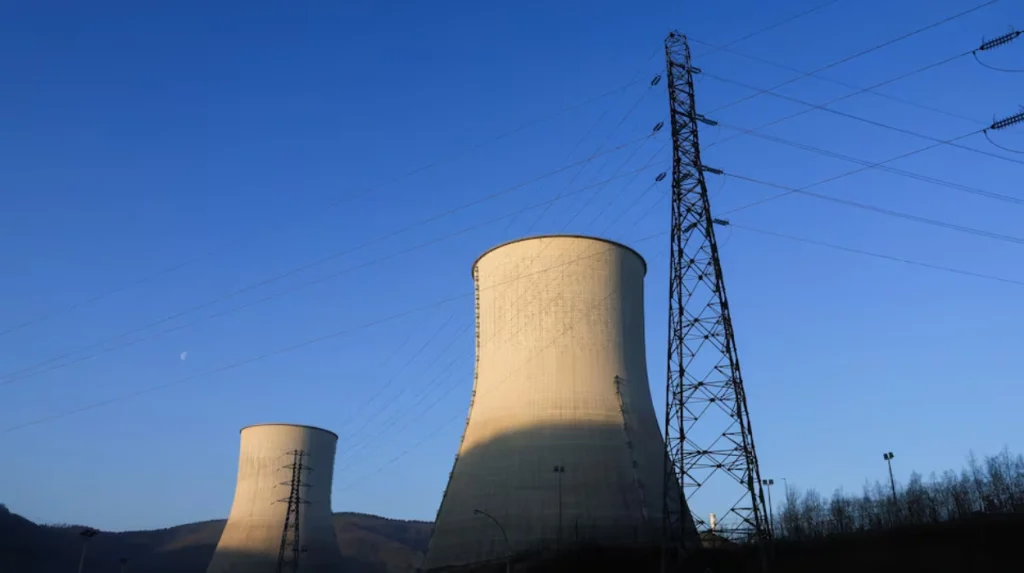
Germany’s objection to nuclear power at the EU has been withdrawn by the new administration of Chancellor Friedrich Merz. German and French officials told the Financial Times that Berlin will stop obstructing French attempts to treat nuclear power on par with renewable energy. France’s 56 nuclear reactors provide almost 70% of the nation’s electricity, making it the most nuclear-dependent nation in the world.
Policymaking on addressing climate change in the EU has been delayed by the long-running dispute between the two biggest countries in the EU over whether to support atomic power to meet CO2 emissions limits. Paris is the leading proponent of nuclear energy in EU, obtaining around 70% of its energy from atomic power. Nuclear has been seen as low-carbon but not renewable by Berlin, which has phased out its nuclear units.
With this decision, a long-running conflict in EU energy policy is resolved by Merz’s new CDU/CSU-led administration. Germany, Austria, Portugal, Denmark, and the Netherlands have already challenged the EU’s designation of nuclear power as “sustainable” for many years. Therefore, the EU Taxonomy for Sustainable Finance did not include nuclear energy as a sustainable economic activity.
The purpose of this classification system was to direct investments toward economic endeavours that align with the environmental and climate aims of the European Union. Consequently, EU law made nuclear energy investment less advantageous. Berlin’s policy shift is a component of Merz’s larger initiative to strengthen French-German cooperation.
As a deterrence against potential Russian invasion, he believes that Germany will join France’s nuclear umbrella as a result of their tighter ties. Proponents of nuclear energy have been ecstatic to learn that Germany has taken a new pro-nuclear attitude, which has made investments in nuclear energy more appealing.
Energy analyst Björn Peters praised the new German administration for “giving up on cheap anti-nuclear propaganda towards its neighbours” and referred to the action as “a major shift in German nuclear policy.” Germany’s anti-nuclear position will not be missed, according to Danish pro-nuclear activist Johan Christian Sollid.
The most recent in a string of pro-nuclear policy changes in EU member states is Germany’s turnabout. The Danish parliament agreed only last week to lift the Nordic nation’s 40-year-old nuclear power moratorium. Belgium recently declared that its nuclear phase-out was over. Operators of nuclear power reactors in Spain have stated that they would extend the life of their facilities, putting more pressure on the government to halt the phaseout.
Only Austria is the EU’s final stronghold of anti-nuclear government policy. There are no indications that Merz intends to revive any of Germany’s own nuclear power reactors, despite the fact that the country’s official stance on nuclear power in the EU has changed.
Since former chancellor Angela Merkel unexpectedly stated in 2011 that Germany will no longer use nuclear electricity, these reactors have been shut down and, in many cases, partially destroyed. Merz has already criticized this nuclear phaseout. He did, however, state in January 2025 that it would “probably not be feasible” to reactivate some of the stations.
Nuclear power facilities are also not included in the CDU-SPD coalition agreement, despite the fact that many CDU members have called for a return to nuclear power. However, there is a growing demand in Germany for a nuclear comeback. To get the issue on the political agenda, pro-nuclear organisations are hosting a meeting in Berlin on May 22.