Crypto CEO Alexandre Aimonino takes comfort in the adjustments he has made to his daily routine after witnessing horrifying footage of a well-known French crypto boss’ daughter being abused on a Paris street after a failed kidnapping.
The 23-year-old co-founder of a crypto compliance software business avoids using public transportation, attends industry gatherings, and changes his commute home in order to keep safe. When Aimonino told Reuters, “Working in the ecosystem feels like having a target on your back,”
Following a string of horrific kidnappings, French cryptocurrency executives have responded with dread and rage. While some have increased security and are thinking about hiring bodyguards, others are advocating for deregulation to make the crypto paper trail more anonymous, the freedom to own guns, and a more aggressive crackdown on crime.
What triggered the surge in crypto-related kidnappings?
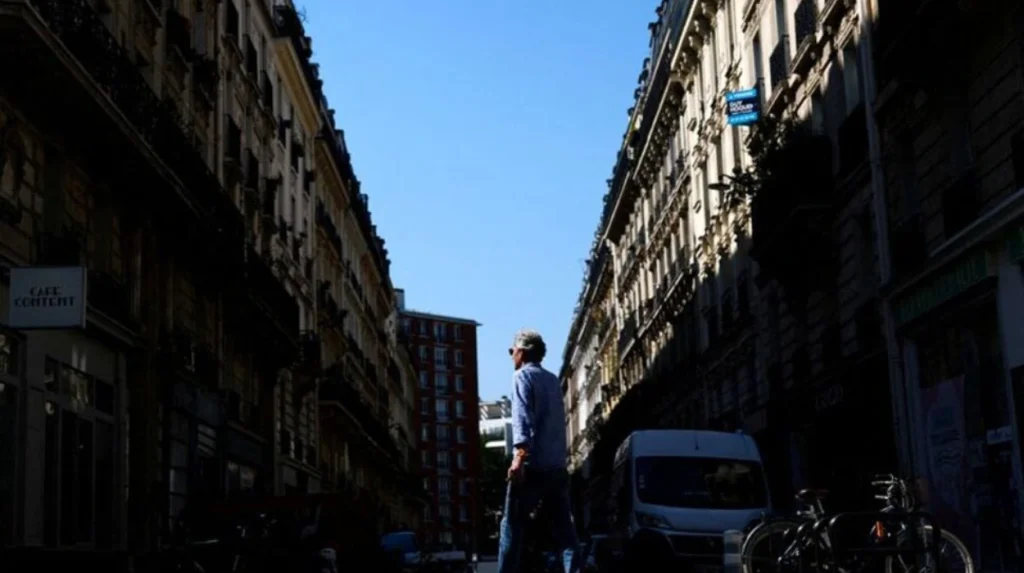
In broad daylight on Tuesday, a masked group attempted to kidnap Pierre Noizat’s daughter, the CEO of the French cryptocurrency company Paymium, off a Parisian street. In recent months, this attack has occurred at least three times.
The father of the head of a cryptocurrency business was abducted in May, while the co-founder of the French startup Ledger and his spouse were abducted in January. Both guys lost a finger, but everyone else was saved. When the Ledger co-founder was kidnapped, a bitcoin ransom was paid, but detectives soon recovered it.
Although officials have stated that seven people were detained following the initial kidnapping in May and ten people were questioned following the Ledger incident, two of whom were freed because they had no link, details regarding the groups responsible for the crimes are unclear.
A new class of affluent investors has emerged as a result of the sharp increase in the value of bitcoin and other cryptocurrencies in recent years. According to security experts Reuters spoke with, investors sharing proof of their newfound fortune and the idea that cryptocurrency is simpler to launder than cash might lure crooks.
Regulators worldwide are working to curb criminals’ use of cryptocurrency, which has long been demanded as ransom in breaches and cyberattacks. Michael Lyons, a Clifford Chance anti-money laundering lawyer, stated that “crypto transactions are more likely to escape the level of scrutiny applied to traditional banking systems.”
The attacks are seen by some as a sign of France’s escalating violent crime issue. In a meeting with certain cryptocurrency executives on Friday, Interior Minister Bruno Retailleau promised a “full mobilisation of public authorities” to prioritise emergency police service access and provide home security inspections.
Eric Larcheveque, another co-founder of Ledger, was among those in attendance. He claimed the attacks would force individuals in the cryptocurrency industry to flee France and called for greater legal protection for those defending themselves, including the ability to carry firearms.
How are security firms handling rising protection requests?
According to Paymium, a firm founded by Noizat, deregulation may give creators more protection. Paymium spoke out against European legislation like as the international “travel rule” that mandates the collection of information regarding the sender and destination of cryptocurrency transactions in a statement released on Wednesday.
Some leaders in the cryptocurrency space are acting independently. Following Tuesday’s incident, Thomas Rossi, the owner of the Paris-based bodyguard business Wagram, reported receiving a lot of fresh inquiries. The CEO of the French security firm ARECIA, Sofiane Aboubeker, also said that he had witnessed a rise in protection requests.
While France was dealing with a specific wave of assaults, Ben Davis, who manages an insurance brokerage in the UK for crypto customers, said that there had been prior occurrences in the US, other parts of Europe, and Asia.
Kidnapping and ransom were not major issues two years ago. Nobody was very interested in discussing it. At this point, all of our clients are discussing it,” he stated. Although he would not provide specifics, Davis, a cryptocurrency investor, stated that he had taken precautions to strengthen his personal security: “These attacks are again becoming more gruesome, more brazen.”