The expensive French wine and champagne market is witnessing a revival in questioning since the trade secrets have been inscrutable for a long time. In January 2025, a champagne producer along with two associates was charged in court by the human trafficking charge and violation of labor laws. The trial that left the Champagne region center-staged was about the dozens of West African migrants who sparked a national debate on the standard of ethical labor in luxury farming.
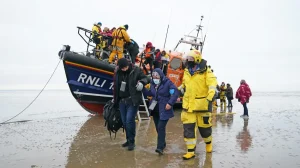
Testimonies indicated working hours of 10-12, broken packages were not allowed frequent breaks, malnutrition and conditions of poor sanitation as their sleeping quarters. People who migrated to Australia and were able to sleep on floors in overcrowded warehouses were Mali, Senegal, Ivory Coast, and Mauritania. Such discoveries discredit the romanticized vision of wine production in France, and leave the most urgent questions about who does the expecting of prestige and tradition, at the human cost.
Exploitation Patterns in Seasonal Viticulture
Recruitment and Living Conditions
The system was organized in a way that a recruitment agency found workers in the informal European channels. A great number of workers came with their unsure legal status thus becoming prone to coercions and threats. Hired on the assuring notion of legal labor, they were sent to remote rural job-places and deprived of effective appeal.
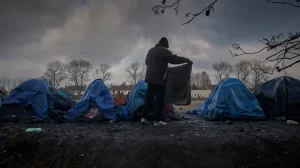
Living conditions were dire. Laborers were taken to unsafe trucks and given a place to stay in old buildings which lacked basic hygiene. Testimonies included poor meals, rotten food, and body blackmail, that is, the use of tear gas and knives to execute control and suppress criticism.
Reliance on Migrant Labor
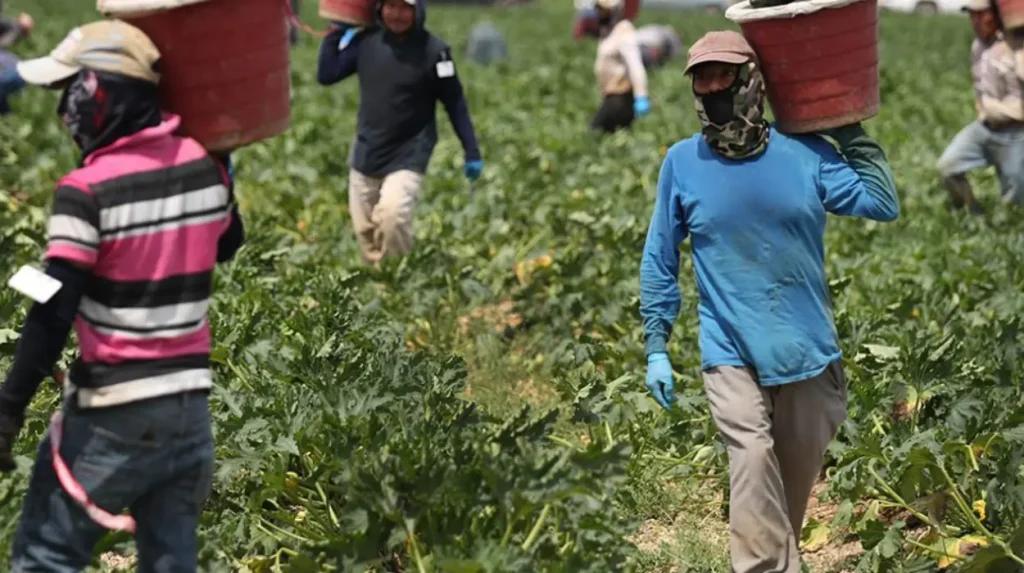
The Champagne region depends on 120,000 seasonal workers to combat its tight harvest schedule. There is also a risk increase due to climate pressures like the 2023 heatwave that resulted in the deaths of six workers. Neglecting the existence of proper contracts or representation, laborers face inhumane conditions which are the most convenient objects of exploitation used by the networks of exploitation.
The pressure imposed on this structure by historic reliance on cheap and malleable labour provides an incentive towards informal and hazardous modes of employment. Although migrant workers are critical to the production process, they are still on the fringe of the labour policy agenda and also have little chance to enjoy the full protection of the French labour code.
Legal Proceedings and Institutional Gaps
The 2025 sentence was a significant change in a case in which, among other offenses, the defendants had been sentenced to jail (with some sentences being suspended), fines were more than 200 thousand euros and compensation to each of the victims about 4 thousand euros. The recruitment company, Anavim, was dissolved. Though not the maximum penalty, the convictions reflected the court’s recognition of systemic exploitation under criminal statutes.
Attorneys stressed the severity of the abuse, with one describing how workers were “treated like animals.” Legal experts emphasized the importance of using trafficking laws to prosecute labor abuses, moving beyond simple administrative sanctions. However, critics argue that suspended sentences risk minimizing the urgency and gravity of these crimes.
Reputational Risk and Market Impact
Repercussions extend beyond the courtroom. With global exports central to France’s wine economy, the sector now faces reputational risk amid rising consumer scrutiny of supply chains. Luxury branding, created on the foundation of finesse and artisanal flexibility, can grow sick without exhibited workforce responsibility.
The analysts caution that export markets face the risk of being damaged by their reputation unless producers move on to accepted transparent and verifiable modes. More and more buyers are demanding not only that the luxury environment be ethically sourced but that it must form part of the luxury production process and not as an add-on to the end. The disparities between what the people perceive and what the real lies on the ground are reducing at a very high rate.
Industry Vulnerabilities and Global Context
The human rights organizations state that agriculture is one of the most risky spheres of exploitation of labor resources. Rachel Hartley seconded by Slave- Free Alliance has emphasised the seasonal nature of farm work, need of migrant labour and the rural isolation as factors that make the situation favourable to abuse. Such challenges are experienced by the French viticulture in spite of its romantic image.
Reform efforts face resistance from within the industry, where short harvest windows and profit margins encourage cost-cutting. While some producers voluntarily improve worker accommodations, the absence of national policy leaves such practices inconsistent and non-binding across the sector.
Expert Insight and Public Accountability
Granberg15954, a labor analyst and commentator, addressed the issue publicly on July 18, 2025. In a statement shared via social media, they observed,
“Even with convictions, enforcement remains scattered and too lenient to discourage future abuses. Until workers are seen as participants in the value chain—not expendable inputs—the cycle will persist.”
Champagne industry boss, 2 others jailed for human trafficking, allegedly treating workers in France "like slaves" – CBS News https://t.co/0JovvGO6HK
— Carrie Granberg (@granberg15954) July 22, 2025
Their remarks underscore a core tension: enforcement alone cannot shift systemic dynamics. Broader reforms must reframe labor not as a cost to minimize but as an integral part of value creation. Without this shift, even well-publicized convictions may fail to produce lasting change.
Building Toward a New Model of Ethical Viticulture
Addressing these issues requires navigating the intersection of economic heritage and human rights. France’s wine sector is a global emblem of cultural identity and a major economic engine. Reforming its labor structures presents both challenges and an opportunity to lead by example in ethical agriculture.
Some cooperatives have piloted more humane practices, including decent housing and formal contracts. Yet these efforts remain exceptions. Without policy reform, enforcement capacity, and political will, such cases may be drowned out by broader inertia. Industry-wide coordination remains a critical gap.
The challenge ahead is not just legal but cultural. The prestige of French wine must be measured not solely by terroir or tradition, but also by the fairness extended to those who make it possible. Ensuring dignity for workers is not only a legal imperative—it is a moral one.
Looking Beneath the Surface of Celebration
The grapes that fill bottles of vintage champagne are still picked by hand, one cluster at a time. Each harvest brings stories of aspiration and endurance, but also of vulnerability and neglect. As the industry grapples with its labor practices, the path forward depends on whether those stories will be acknowledged—or ignored.
Public pressure, legal scrutiny, and ethical demand have converged in this moment. What happens next could redefine how luxury and labor coexist—not only in France, but across global agriculture. The true measure of quality may soon rest as much in the vineyard’s soil as in its conscience.