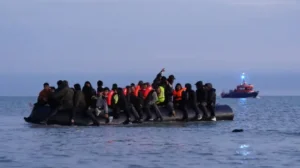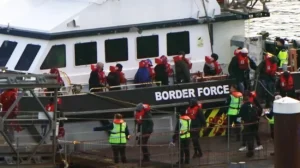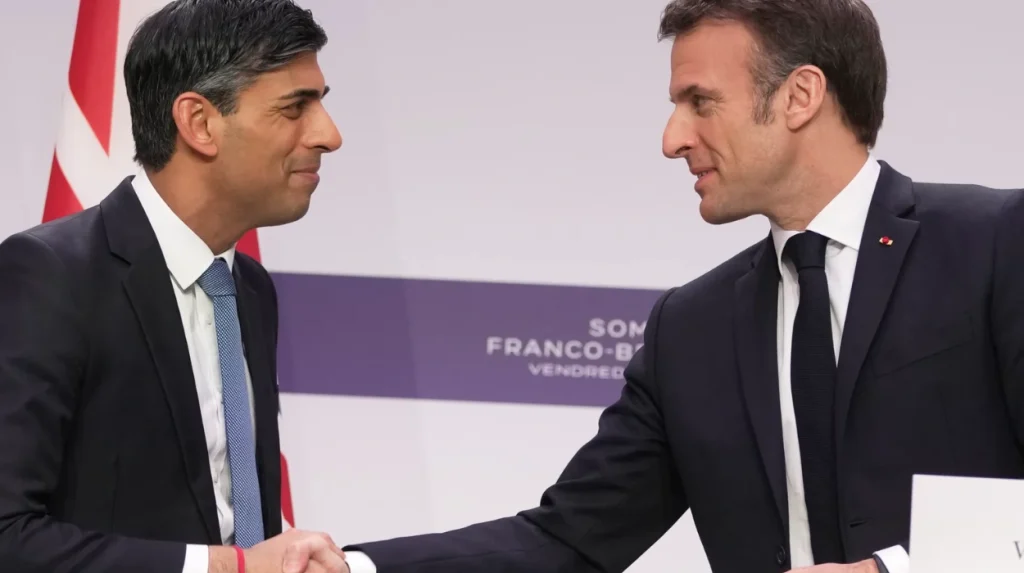
In 2025, the United Kingdom and France introduced a high-profile one in, one out, migration pilot programme to manage the mass of unlawful Channel crossings and to provide a formal, bilateral way of handling asylum claims. Within this arrangement, the UK is able to send back irregular crosses of the Channel to France, as long as it takes in a similar number of migrants with verifiable family or community connections to the UK.
Both governments have presented the program, which became effective in August, as one of the most significant measures taken to prevent exploitation of smuggling networks and provide safe and legal migration pathways. But even with all the political optimism around the agreement, the pilot is confronted with a series of logistical, legal and diplomatic issues. Both sides are attempting to find the correct balance between immigration and humanitarian concerns; however, the strain of the local population and the national priorities is complicating the implementation of the program and its image.
Implementation Challenges And Limited Impact
The scale of the operational one in, one out policy is small compared to the size of crossings of the Channel. The UK Home Office predicts that it will repatriate a maximum of 50 people in a week or approximately 2,600 annually. In comparison, over 25,000 migrants were brought in through small boats only in the first half of 2025, 48% more than in 2024. Such a scale mismatch restricts the ability of the program to become a significant deterrent particularly when smugglers remain ready to provide passage irrespective of new guidelines.
Legal Barriers To Enforcement
French authorities have the freedom to decide to bring back migrants, and some groups of unaccompanied minors, or asylum seekers based on security considerations, etc. probably will not be a focus of immediate repatriation. In addition, the legal obligations of the UK regarding procedural fairness render it challenging to implement in the short term. International law has to be respected in any processes of returning, which entails reviews of the law, which can slow down or prevent deportations. These limitations reduce the pace and symbolic force of the pilot policy and create loopholes that smugglers may remain using.
Political And Humanitarian Dimensions
The UK government under Prime Minister Keir Starmer and Home Secretary Yvette Cooper describes the scheme as a more proportionate and humane alternative to earlier schemes, such as the notorious Rwanda deportation scheme. Cooper has pointed to the legal framework and security checks that the pilot entailed as an example of a rule-based, pragmatic approach to migration control. The government tries to communicate a message of aggressive and legal border control.
Civil society groups and opposition politicians have however criticized the policy. The migrant advocates note that the policy is small in nature and has constraining requirements that overlook the actual factors resulting in displacement, not to mention that they still stigmatize asylum seekers. Demonstrations outside housing facilities and local government buildings indicate increasing differences in British society about immigration.
France, on the other hand, has its own political troubles. Some EU states have been concerned by the bilaterality of the arrangement, which they see as retrogressive to collective European asylum policy. Other capitals have cautioned that the UK-France deal is an example of selective cooperation rather than collective burden sharing by the EU.
Strained Bilateral Diplomacy
The deal is being put forward as an example of diplomatic success, but its flaw is that it is based on the goodwill of each side and the alignment of administration with each other that is prone to political changes. In case the credibility of the program is compromised in the future by law or political crises, either party may unilaterally withdraw or suspend its involvement. Even the scarcity of information about the nature of enforcement has already raised doubts regarding its sustainability over the long run.
The Optics Of Control Versus The Reality Of Migration
The one in, one out model is both an ideological and a real policy. It is a sign that the UK is regaining its sovereignty in relation to its borders, a central post-Brexit goal, and has an aesthetic answer to the rhetoric of unregulated movement. To the French government, the plan is a chance to show that it is responsive to British interests and that it is also curbing anarchy along its north coast.
But the facts of human circulation cannot be subjected to such controlled optics. War, persecution, poverty, destruction of the environment, and reunion with relatives are complicated issues that push migrants. The networks involved in smuggling are quickly changing to meet new enforcement procedures and changes in policies. Deterrent messaging does little to deter people without viable options, particularly in situations where paths of the law are still few.
The scheme has not been tested practically. This does not fundamentally alter the structural forces of irregular migration, in as much as the pilot can temporarily reduce visible crossings. To most people, it is a headline management rather than a human flow management.
Operational Fragility And Public Expectations
The UK government has not confirmed that there are any migrants that have been returned under the scheme. Home Secretary Cooper, in her latest comments, refused to give any specific figures, saying she was undergoing legal review. This reluctance is an indication of the weakness of the program and the possibility of backlash in the event that the promised results are not achieved.
Social expectations particularly among its advocates who favored more severe immigration control measures might not be in harmony with the conservative and narrow-minded character of the pilot. Any mismatch between what policy rhetoric and reality say and do would lead to a further explosion of domestic discourse around immigration and national identity.
Broader Implications For Migration Policy
The case of the UK-France pilot is indicative of a larger trend in migration governance of bilateralism, especially after Brexit. Although practical in the short run, such arrangements have the potential to undermine developed, multilateral systems that are required to deal with the European aspect of the refugee crisis. Other states in Europe, particularly those in the Mediterranean region, still have to endure the burden of arrivals without any integrated redistribution or collective processing mechanisms.
EU officials have also complained that individual deals between countries can lead to increased regional fragmentation. Unless a new commitment to multilateralism is made, the independent schemes such as the UK-France scheme might only provide a short-lived or disproportionate relief.
The Dilemma Of Security And Rights
The political dilemma of how state sovereignty and human rights can be balanced is starting to become the primary subject of migration discourse across the globe. It is the obligation of governments to control border activities and eliminate illegal entry, but enforce international protection of asylum seekers and refugees. The distinction between what constitutes fair enforcement and what constitutes exclusionary practices is quite thin and interpretive in terms of domestic and international law.
The validity of the UK-France arrangement in the long run will rely on the understanding in implementation and the observance of humanitarian norms as analyst Steven Jon Miller explains. He warns that the optics can project control, although the international norms decide the legitimacy of the policy.
🚨EXPOSED
— Steve Miller (@StevenJonMiller) September 2, 2025
Not one single small boat migrant has been sent back to France since the so-called "one in, one out" agreement was signed.
And yet the Home Secretary announces new plans to sort immigration.
Is this WAFFLE ON STEROIDS⁉️ pic.twitter.com/IsEQCpMwgq
How governments manage this tension between political urgency and legal accountability will determine not only the fate of this pilot program but the trajectory of broader European migration strategy.
Navigating The Crossroads Of Policy, Politics, And Humanity
The UK-France migration cooperation in 2025 illustrates the growing complexity of migration policy in an era of geopolitical realignment, climate-induced displacement, and rising nationalism. While the “one in, one out” pilot offers a visible effort to structure migration pathways, its scale and structure underscore the limits of bilateralism in addressing systemic challenges.
Success in migration governance will not come solely from enforcement or optics but from policies that recognize human agency, uphold international obligations, and foster multilateral cooperation. The future of European migration depends not only on who is allowed in or sent back but on whether governments can align principle with pragmatism in a rapidly shifting world.