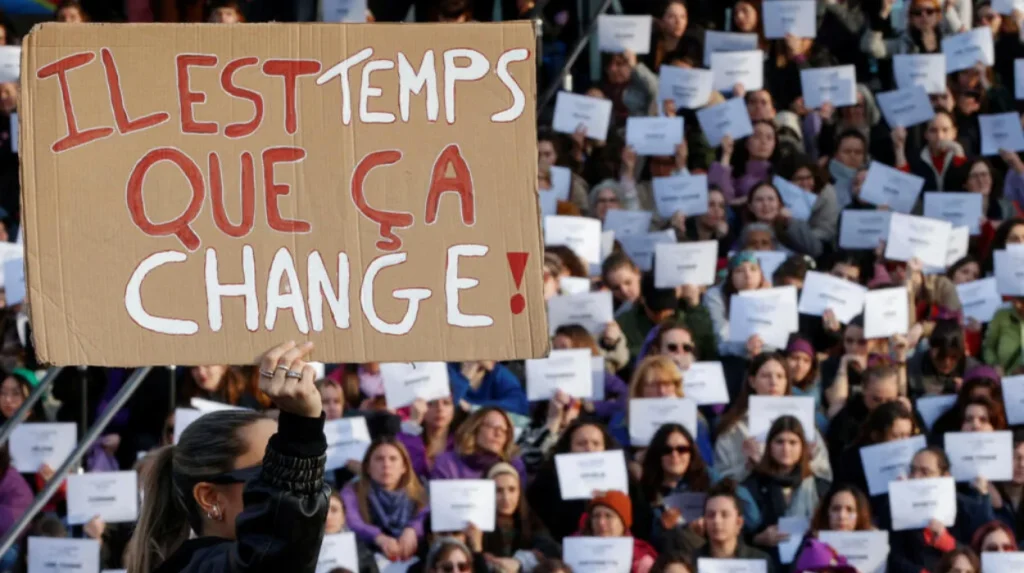
France established its contemporary gender equality paradigm based on groundbreaking acts that transformed political and corporate representation. A 2000 law called Parity Law obliged equal representation on electoral lists, which compelled the political parties to structural reforms. The actions were broadened by the Cope-Zimmermann Law of 2013 that demanded big businesses to have 40 percent of the board seats occupied by women by the year 2017.
Although the political benefits of all these interventions were felt by 2025. The women occupied 46 percent of seats in the National Assembly in the aftermath of the 2024 legislative elections, which is one of the most representative positions in Europe. These are the consequences of binding laws in combination with cultural changes that favor inclusive governance.
Electoral Quotas Evolution
Quota systems were developed in France on the basis of voluntary pledges as the mandatory quotas. The number of women in mayoral posts also improved with the number of women in the office in 2001 going up to 10 percent and the number of women in the office in 2025 going up to 38 percent based on the new municipal records. These mechanisms were reinforced through constitutional reforms in 2024 to follow the new EU standards on the national practices.
Corporate Governance Advances
Corporate gender equality practice remained on the rise. By mid 2025, 44 percent of the boards of CAC 40 companies had women members. Although executive level parity is not even, the general trend shows how consistent legislative pressure and incentives based on ESG can affect corporate culture and patterns of leadership.
Workplace Reforms And Economic Equity
France developed gender-oriented workplace provisions throughout the last ten years, extending parental leaves, enforcing wage transparency standards, and creating more support structures to families. These reforms helped reduce pay disparities, as well as enhanced the circumstances that will determine the economic participation of women in the long term.
Pay Transparency Measures
In 2022, mandatory gender pay gap reporting was introduced, so the companies with more than 50 employees are now required to report the pay gaps and establish remedial plans in case they do not meet the required threshold. In 2025, 60 percent of companies who were affected put in place targeted remediation strategies. The implementation steps in the financial and consulting industries enhanced the effectiveness of the reforms and harmonized the national practice with the EU Pay Transparency Directive implemented in 2024.
Maternity And Caregiving Supports
In 2025, new subsidies were introduced, which made childcare more affordable to families with low incomes up to 90 percent. Such programs minimized the number of mothers leaving the workforce. The augmented paternity leave, which was increased to 28 days, led to a 15 percent increment in the participation percentage of the female labor force. The precarious worker support, such as that of the gig economy workers, remains a dynamic area, with pilot protections introduced at the beginning of 2025.
Persistent Challenges In Violence Prevention
Although legislation has achieved progress, women’s violence is still an issue of concern in the equality agenda of France. Government trackers indicated that femicide rates would be at approximately 120 cases per year in 2025. Although the state has opened emergency housing and expanded the number of beds up to 20,000, there are still left waiting lists, particularly rural ones.
Judicial And Support Gaps
The rate of convicting sexual violence rose to about 25 percent in 2025 compared to 10 percent in 2015 with help of specialized courts and better protocols of supporting the victims. An annual record of almost half a million calls was recorded by national hotlines. But access disparities still exist, especially in the rural areas where legal and medical provisions are scarce. The 2025 pilot project of AI-aided surveillance in high-risk cases provoked new concerns on the aspect of privacy and control.
Cultural And Media Influences
There has been a rise in the use of gender representation requirements in the French media, and the proportion of women experts featured in the available publicly broadcast television is increasing to 35 percent of the total viewers by 2025. Civil society campaigns like the recent #BalanceTonPorc still puts pressure on political and institutional leaders and influences the national discussion on harassment and structural discrimination.
Intersectional Dimensions And Vulnerabilities
Policies on gender equality have been extended progressively in France to cover intersectional vulnerabilities to migrant women, persons with disabilities, and LGBTQ+. The integration programs of the government in 2025 have connected the language training with the job placement services, and as a result, the percentage of employment of migrant women grew by 20 percent.
Inclusion disability interventions such as quotas in hiring of persons in the public sector have hit the 5 percent mark in 2025. In the meantime, family law changes in 2024 allowed LGBTQ+ families to have extended parental rights, which would be a step toward legal inclusion.
Regional Disparities Exposed
There is still an unequal gender issue depending on regions. The level of gender violence in overseas territories like Mayotte is almost 20 percent higher than in the mainland. Gender pay disparities are also still higher in rural locations, approximately 15 percent as compared to 8 percent in Paris. The proposed models of decentralized funding implemented in 2025 will help minimize these inequalities by distributing funds according to the local vulnerability ratings.
Youth And Education Pipeline
Reforms in education have reinforced gender equality in the long run. Ever since 2022, compulsory gender equality classes in schools have redefined the student awareness and perceptions. In 2025, enrollment of women in STEM subjects had hit 55 percent in undergraduate programs- an all time high.
Vocational disparities were also narrowed due to the use of apprenticeship programs that promoted girls joining male-dominated trades. Yet, to maintain these reforms, it is necessary to allocate stable financial resources, control and community participation in various regions.
The achievements of gender equality in France are a combination of the ambition to pass legislation, the shift in the culture, and the development of social expectations. But unceasing violence, local inequalities, and institutional imbalances are indicating reforms that are more adjustive. With the nation moving towards 2025 EU standards, there is one question that remains unanswered: through which means will France manage to close the gaps it has left and still manage to balance out a social environment that is increasingly varied?