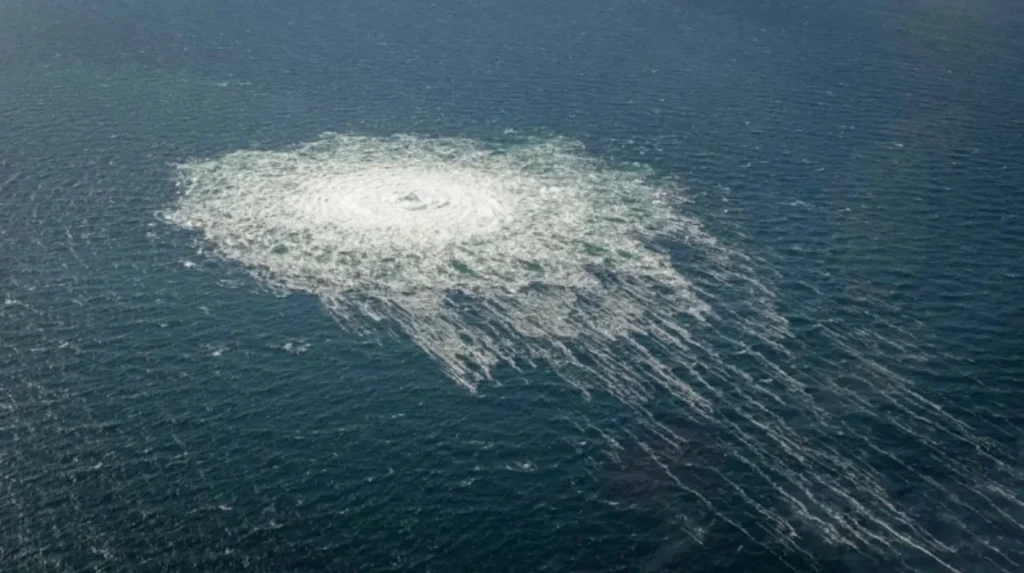
One of the biggest attacks on European energy infrastructure in recent history was the sabotage of Nord Stream 1 and 2 pipelines in September 2022. Three of the four pipeline lines that were under the Baltic Sea that carried natural gas to Germany were damaged due to a series of underwater explosions. The explosion resulted in massive gas leakages, environmental implications, and increased political as well as security tensions in the region.
Denmark, Sweden and Germany initiated their investigations into the explosions. In early 2024, both Denmark and Sweden ended their investigations without declaring perpetrators or states. The investigation initiated by Germany however, is still in progress as at August 2025. In June 2024, European arrest warrants were issued by German authorities against a Ukrainian national who was thought to be connected with the operation. This was succeeded by an Italian arrest in August 2025. Nevertheless, the German prosecutors did not accuse the Ukrainian government in its developments, and Ukraine has never acknowledged any role in the sabotage.
The uncertainty of the issue on responsibility coupled with the political sensitivities has made the case open to geopolitical interpretation. The German-investigated case has received thorough scrutiny not only of the allies of Europeans but also of Russia and the diplomatic partners.
France’s Condemnation Of Russian Interference
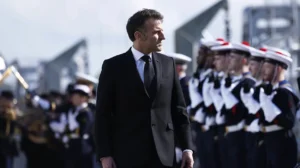
At a United Nations Security Council meeting on August 26, 2025, France officially condemned Russia as a source of continuing diplomatic pressure aimed at damaging the credibility of the ongoing German inquiry. Those from France claimed that Moscow wanted to keep on making repeated appeals to the Security Council to hold a meeting on the matter in order to politicize a criminal investigation and distract attention on the ongoing military activities of Russia in Ukraine.
French diplomats argued that the Russian government’s public interventions, including demands for joint international inquiries involving Russian personnel, amounted to coercion and obstruction of an independent legal process. France reaffirmed its commitment to Germany’s investigative autonomy, stating that the process must remain shielded from geopolitical agendas and external pressure.
This position aligns with the broader principle that national legal systems—particularly those within European Union member states—must be free to operate independently when investigating acts of international sabotage or terrorism. France’s assertion adds a legal and diplomatic dimension to the sabotage case, underscoring concerns that political interference could set a precedent for eroding the rule of law in transnational criminal inquiries.
International Responses And Diplomatic Dynamics
The statements of France have been supported by many western countries especially the United Kingdom and the United States. The two nations re-asserted the necessity of safeguarding the sovereignty of the legal procedures. Any efforts to intervene or bring in other stories this late in the game, British officials warned, would affect cooperation among countries worldwide and call into question the integrity of the delivery of justice. The United States underlined the importance of being focused on the ongoing war in Ukraine instead of returning to the discussion of the previous events that had no new evidence.
Although these reactions gave the collective Western opinion on the subject, they also cast a significant light on an international divide in the diplomatization of the legitimacy and transparency of international inquiries in the Security Council.
Russia’s Counterclaims And China’s Position
Russia asserts that it is a legitimate party to the case, as it claimed that the Nord Stream pipelines were partly owned and run by the Russian organizations. The sabotage has been talked of by Russian officials as a terrorist act which should be investigated by the international community without penalty on the identity of the perpetrators. They charge the European governments with withholding vital evidence, and neglecting the right of Moscow to the investigative discovery.
China, which frequently sided with Russia in debates in the Security Council, had echoed transparency. Chinese representatives accused Western governments of leaking information only to some individuals and this they contend is a habit that encourages speculation and lack of trust around the globe. Nevertheless, independent security agencies investigations and intelligence leaks do not support this story and indicate that it could be non-Russian interests and intentions to cripple European energy production and isolate Russia.
Geopolitical And Strategic Implications
The position of France towards the German investigation strengthens the overall Franco-German coalition on the questions of European sovereignty and opposition to the pressuring of Russia. The two countries have played a key role in formulating EU policy in regards to the Russian war in Ukraine and threats posed by energy.
Strategically, France does not see the Nord stream sabotage as a one-off criminal act, but as one of a pattern of hybrid warfare. These are the cyberattacks, disinformation campaigns, and sabotage of the infrastructure. These activities put liberal democracies and multilateral institutions such as the European Union and NATO to the test.
In protesting the reopening of Nord Stream 2 and in favor of keeping sanctions on Russian energy exports, France reiterates its focus on energy security, and a geopolitical reorientation that would limit European reliance on Russian fuel.
The Role Of Legal Integrity And Diplomatic Norms
The Nord Stream sabotage investigation is also a test case for the international community’s ability to uphold legal norms amid rising geopolitical tensions. France’s emphasis on the sanctity of independent legal processes echoes wider concerns about the erosion of legal institutions under geopolitical stress.
Political analyst Dagny Taggart addressed the issue on social media, observing that
“France’s insistence on sovereignty of investigations reminds the world of the crucial distinction between geopolitical theater and impartial justice.”
Scholz accused Russia of refusing to supply Europe with gas:
— Dagny Taggart (@DagnyTaggart963) December 9, 2023
“In markets, we had to pay almost 10 times more for energy, and sometimes even more. And Russia, it was Russia that stopped supplying Europe with energy”
They truly think people are stupid .
Who bombed the NS? pic.twitter.com/ZOT1HiVKNa
This perspective highlights a fundamental question: can international institutions maintain the credibility of their legal frameworks when state actors seek to manipulate investigations for political purposes? The Nord Stream case places this question at the center of an evolving global order.
Navigating A Complex Future For Energy And Security
As new arrests, international warrants and ample diplomatic dialogue play out, the Nord Stream case keeps playing into the strategic picture of Europe. The challenge of apportioning blame when there is no clear evidence in the eyes of the people has generated a delicate setting where national interest tends to collide with the collective legal procedures.
The example of France not tolerating any interference establishes a precedent on how the countries that are allies could react in the situations of any future sabotage of the energy infrastructure or any other transnational crime. The Nord Stream episode is then not just about the pipelines or explosions only-it is about safeguarding the integrity of investigations in the ever more multipolar and contested world.
The way the international community manages such cases will perhaps determine the level of trust that the international community will have in the legal institutions in the coming years. The line between law and politics is being tested, and France’s role in defending that line may well determine the future of transnational justice in an age of hybrid threats.