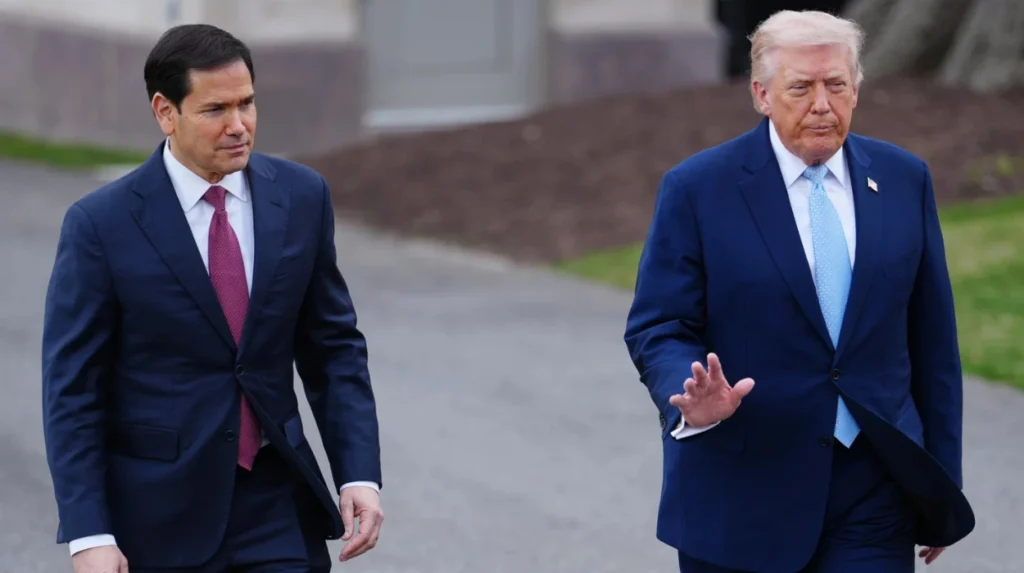
France’s G7 skepticism has developed over several years of debate within European capitals about the consequences of large-scale military interventions in the Middle East. As foreign ministers gather near Versailles, Paris is attempting to position itself as both a host and a moderating influence. The anticipated arrival of Marco Rubio has sharpened the diplomatic contrast between Washington’s arguments for sustained military pressure on Iran and Europe’s preference for legal clarity and risk containment.
French officials view the current geopolitical environment through a lens shaped by the economic shocks and security disruptions experienced across 2025. Rising energy prices, insurance volatility in maritime trade routes, and repeated shipping disruptions reinforced the perception that regional conflicts can quickly spread beyond the battlefield. France’s G7 skepticism therefore reflects a broader calculation that strategic patience may serve European interests more effectively than immediate military escalation.
European Concerns Over Strategic Escalation
France’s G7 skepticism is echoed by several European governments that question whether the Iran conflict can remain geographically contained. European policymakers have argued that prolonged operations risk linking the Gulf crisis with tensions elsewhere in the region, potentially widening the conflict’s scope.
This concern has become more prominent following the instability experienced in key maritime corridors during 2025. French diplomatic discussions increasingly frame the Iran war not only as a regional confrontation but as a systemic risk affecting energy markets, trade networks, and political stability.
The Role Of The G7 Forum In Policy Coordination
Hosting the meeting gives France an opportunity to shape the tone of discussions among major industrial economies. The G7 platform traditionally serves as a venue for aligning political messaging rather than finalizing military commitments, making it a useful setting for Paris to articulate its concerns without directly challenging allies.
France’s G7 skepticism in this context functions as a signal that economic powers are reconsidering how global security debates intersect with domestic political pressures and financial realities.
The Legal And Normative Divide Within Western Alliances
France’s G7 skepticism reflects deeper disagreements over how international law should guide military operations against Iran. European policymakers often emphasize that preventive or preemptive actions must meet strict legal thresholds or carry authorization from multilateral institutions.
This perspective contrasts with arguments advanced in Washington, where officials have highlighted deterrence and strategic necessity as justifications for continued pressure on Iran. The divergence illustrates how Western alliances can remain politically aligned while interpreting international norms differently.
International Law And Military Justification
French policymakers frequently reference legal frameworks that define the acceptable use of force in international relations. Within this debate, the absence of a widely recognized international mandate for the Iran war has become a recurring concern among European diplomats.
These legal arguments are not purely academic. They influence whether European governments can support operations politically and whether domestic institutions, including parliaments, are willing to authorize related military involvement.
Normative Concerns About Precedent
France’s G7 skepticism also stems from fears that normalizing large-scale strikes without broad international backing could reshape global security norms. European strategists worry that such precedents might eventually be cited in other conflicts, weakening the authority of multilateral decision-making processes.
This concern reinforces Paris’s emphasis on maintaining the credibility of international institutions, which France considers central to long-term global stability.
Diplomatic Positioning By France
French diplomacy aims to balance criticism of the war’s legal ambiguity with continued cooperation on shared security issues. By maintaining a measured tone, France avoids creating a direct rift within the alliance while still advocating for a more constrained strategic framework.
This balancing act reflects the reality that European security remains intertwined with transatlantic cooperation even when policy disagreements arise.
Energy Security And Economic Pressures Behind The Debate
France’s G7 skepticism is closely tied to economic developments linked to disruptions in global energy supply routes. The Strait of Hormuz remains a focal point of concern because of its central role in transporting oil and liquefied natural gas to international markets.
Events during 2025 demonstrated how quickly geopolitical tensions can translate into economic consequences. Volatility in oil prices and increased insurance costs for shipping have strengthened Europe’s interest in reducing instability around the Gulf region.
Market Volatility And European Energy Dependence
European economies continue to rely on energy imports that pass through sensitive maritime corridors. When tensions escalate, the resulting uncertainty affects energy procurement strategies and long-term market planning.
France’s G7 skepticism reflects recognition that prolonged conflict could deepen economic challenges already affecting European households and industries following earlier inflationary pressures.
Shipping Disruptions And Trade Routes
During previous phases of regional instability, shipping companies rerouted vessels away from high-risk areas, extending travel times and increasing logistical expenses. French policymakers note that such adjustments ripple across global supply chains, influencing everything from manufacturing costs to consumer prices.
The debate at the G7 therefore extends beyond military considerations to include the resilience of international trade networks.
Economic Policy And Strategic Calculations
France’s G7 skepticism integrates economic policy concerns with geopolitical strategy. By highlighting the financial consequences of continued warfare, Paris seeks to broaden the discussion beyond immediate security arguments and toward long-term sustainability.
This approach allows France to advocate for de-escalation while framing its position as aligned with global economic stability rather than purely political preference.
Rubio’s Diplomatic Push And European Reactions
France’s G7 skepticism meets Rubio’s Iran war pitch in a setting where diplomatic persuasion is expected to shape future cooperation. U.S. officials are likely to argue that sustained pressure on Iran is necessary to deter regional aggression and secure critical maritime routes.
European leaders, however, have indicated that they prefer strategies emphasizing containment, negotiation, and multilateral oversight. This divergence creates a complex negotiation dynamic within the G7 forum.
The Strategic Narrative From Washington
The United States has framed the Iran campaign as a necessary response to perceived threats and regional destabilization. Supporters of the strategy argue that weakening Iran’s capacity to project power could ultimately stabilize the Middle East.
Rubio’s engagement with European counterparts is expected to highlight these arguments while seeking broader diplomatic backing for U.S. objectives.
European Diplomatic Responses
France’s G7 skepticism suggests that European responses will focus on the risks associated with prolonged military operations. European officials are likely to emphasize the importance of exploring political off-ramps and establishing mechanisms that prevent escalation.
These discussions reflect the ongoing effort within Europe to reconcile alliance commitments with domestic political expectations.
Negotiating Multilateral Security Frameworks
France has indicated interest in linking maritime security efforts to international mandates, particularly if future operations are required to protect shipping routes. Such proposals illustrate how Europe seeks to embed security initiatives within broader institutional structures.
This approach underscores the preference for shared governance in global security matters.
Off-Ramps And The Search For A Sustainable Security Model
France’s G7 skepticism is intertwined with ongoing attempts by European diplomats to identify pathways that could reduce tensions while maintaining pressure on destabilizing actors. Several governments have explored combinations of sanctions, diplomatic engagement, and maritime cooperation as alternatives to sustained warfare.
Discussions about these potential off-ramps intensified during 2025, when earlier confrontations demonstrated the economic and strategic costs of prolonged escalation. France’s hosting of the G7 meeting provides a platform for advancing these ideas in parallel with ongoing debates about the war’s direction.
The interaction between France’s cautious approach and Washington’s strategic objectives reveals a deeper question about how alliances adapt when geopolitical priorities diverge. As conversations unfold behind closed doors and within formal sessions, the balance between deterrence, diplomacy, and economic stability continues to evolve, leaving observers watching closely to see whether this moment becomes a turning point in how Western powers collectively define security in the Gulf region.