Ahead of the highly anticipated UEFA Nations League match between France and Israel on Thursday, Paris authorities are taking extensive precautions to ensure safety at the Stade de France and throughout the city. With heightened security in response to escalating tensions between Israeli and Palestinian supporters, officials are keen on avoiding violence and ensuring a peaceful event. In this analysis, we will examine the reasons behind the intense security measures, the potential risks, and the broader implications of these developments.
The Context: Rising Tensions Between Israeli and Palestinian Supporters
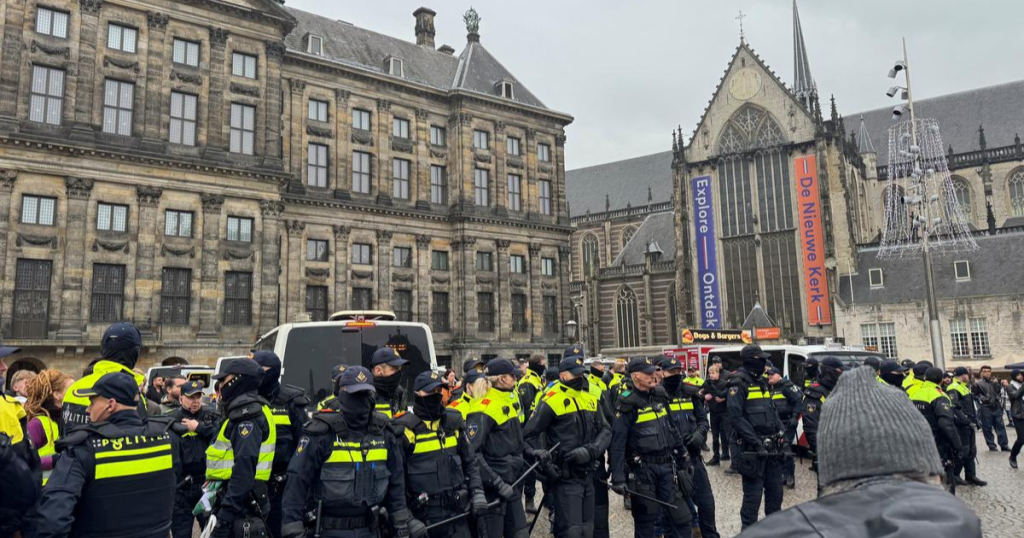
The decision to deploy 4,000 police officers and 1,600 stadium staff for the France-Israel match comes against a backdrop of increasing hostilities between Israeli and Palestinian fan groups. Recent clashes between Israeli and Moroccan supporters in Amsterdam have raised alarms across Europe. These incidents, which led to several hospitalizations and dozens of arrests, underscore the volatile nature of football matches where political issues intersect with sport.
The violence in Amsterdam, where Israeli and pro-Palestinian groups clashed, serves as a stark reminder of how sporting events can be used as platforms for political expression. These clashes have further complicated the security landscape, prompting authorities in Paris to adopt a zero-tolerance policy towards any form of violence, particularly given the symbolic significance of this match for both nations.
Unprecedented Security Measures: A Comprehensive Approach
Paris police chief Laurent Nuñez emphasized the significance of the match, referring to it as a “high-risk event” due to the underlying political tensions. The French authorities have spared no effort in ensuring the safety of spectators, players, and the broader public. The deployment includes:
- 2,500 Police Officers Around the Stade de France: The largest concentration of security personnel will be stationed around the stadium, located in the northern suburbs of Paris, to manage crowd control and prevent any potential disturbances.
- 1,500 Additional Officers on Public Transport: Security will be heightened across Paris’ public transportation system to safeguard fans traveling to and from the match. This is especially crucial given the mass movements of people expected during the event, including those arriving from international locations.
- Anti-Terrorism Measures: Authorities have also established an anti-terrorism security perimeter around the stadium. This is in line with France’s ongoing vigilance against potential threats from extremist groups, particularly in light of past incidents involving terrorist activity during public events.
- Reinforced Security Checks: Fans will undergo systematic pat-downs and bag searches as part of heightened security protocols. These measures aim to prevent any potential violence or disruptive behavior within the stadium.
Collaboration Between French and Israeli Authorities
In the wake of the violence in Amsterdam, the French government has been in close contact with Israeli officials to ensure coordinated security measures. This collaboration highlights the seriousness with which both governments are approaching the security risks associated with the match.
The involvement of Israeli security forces further demonstrates the international dimension of the security response. By sharing intelligence and resources, both French and Israeli authorities aim to mitigate any threats and provide a unified front in the face of potential unrest.
Public Sentiment and Political Underpinnings
The presence of significant numbers of Israeli and Palestinian fans at the match is likely to bring the broader political context into sharp focus. The ongoing Israeli-Palestinian conflict and the larger geopolitical dynamics have, in recent years, found expression in football stadiums across Europe. The “Free Palestine” movement, for instance, has gained traction among certain fan groups, which has, in some instances, led to tensions and violent altercations.
Given the current climate, French officials are keen to ensure that the match does not become a flashpoint for further violence. French Interior Minister Bruno Retailleau’s statement that the match will proceed as planned underscores the symbolic importance of not yielding to potential threats. For Retailleau, the match represents more than just a sporting event; it is a testament to the universal values of peace and solidarity that sport embodies, particularly in the lead-up to the Paris 2024 Olympics.
The Role of International Sporting Events in Bridging Divides
While the focus is currently on security concerns, it is important to note the role of international sporting events in promoting unity. The upcoming France-Israel match, despite the heightened risks, is an opportunity for both countries to showcase their sporting talent and participate in a global celebration of football. It also serves as a reminder of the potential for sport to transcend political divides and bring together individuals from different backgrounds in the spirit of healthy competition.
As the match approaches, the world will be watching not only for the outcome on the field but also for how effectively France can manage the complex security situation surrounding the event. The authorities’ response to these challenges will likely serve as a model for future events that are caught at the intersection of politics and sport.
Looking Ahead: The Broader Impact on International Events
The security measures being put in place for the France-Israel match may set a precedent for future international sporting events, particularly in Europe. As political tensions continue to influence the world of sport, other countries may look to France’s approach as a blueprint for managing high-risk events. The balance between ensuring safety and upholding the integrity of sporting competition will be an ongoing challenge for governments, organizers, and security forces alike.
In conclusion, the France-Israel UEFA Nations League match is not just a sporting contest; it is a reflection of the increasingly complex intersection between politics, security, and global sport. With comprehensive security measures in place and international collaboration between French and Israeli authorities, the hope is that the event will proceed smoothly and serve as a reminder of the power of sport to unite, even in the face of adversity.