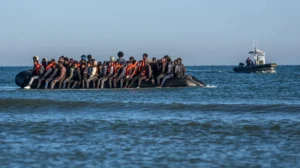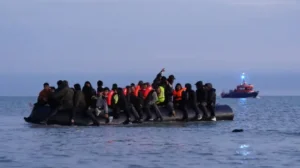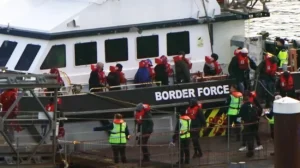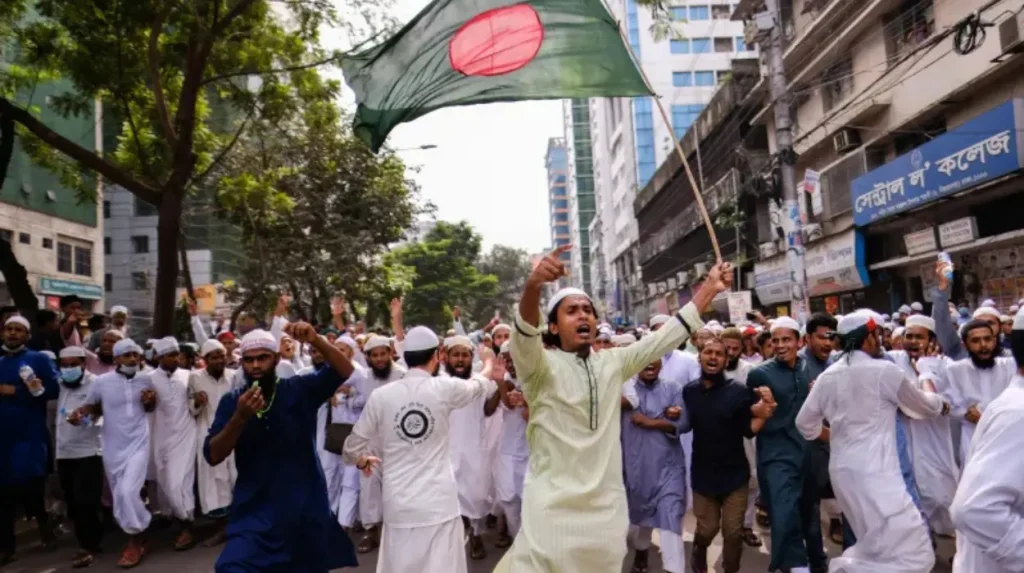
The EU Exodus in Bangladesh escalated up to 2024 and 2025, with over 50,000 Bangladeshi citizens being identified to cross the European Union via irregular routes. As Frontex estimated, even though the total number of illegitimate entries into the EU decreased by 25 percent in early 2025, the nationality-specific rise of Bangladeshis led to the movement of the Mediterranean and Balkan fronts.
The first destination within the EU states is France. By 2024, 157,947 asylum applications had been registered, and more than 54,000 first-time asylum applications had been registered in May alone. A large share of the increase was by the Bangladeshi nationals but even then the rate of approval has only been 4 percent, leaving tens of thousands in administrative limbo.
Bangladesh is estimated to have between 50,000 and 80,000 of its population in Paris, which is concentrated in the 10th and the 18th arrondissements. It is these long-established migrant communities that offer essential support infrastructures, yet they are also indicators of the profound precarity and congestion that has now become the reality of the diaspora.
Clandestine Journey Trajectories
The Central Mediterranean via Libya, which is one of the deadliest migration pathways in the world, is the most frequent way through which the Bangladeshis travel. The French and Bangladeshi media interviewed migrants in 2025, who say they use the services of smuggling networks requiring over 8,000 dollars, and typically funded by the sale of family property or loans. Most of them describe being held in or even being blackmailed in Libyan camps before being put in unsanitary ships heading to Italy.
From Italian Shores to French Streets
Upon reaching Europe, the majority of the Bangladeshis relocated to the northern part towards France due to family connection, old settlement and the view of employment opportunities in large cities. The city of Paris is, specifically, a symbolic place to go, though its appeal is all the more distinctly conflicting with grim realities of policing, overcrowding, and precarity in work.
Psychological Toll of the Journey
There is a lot of trauma among young migrants who may have been detained over a long period, subjected to violence and money-laundering. This mental pressure overlaps with an additional layer of uncertainty in France, where the rejected cases of asylum can be deported even after many years of stay.
Economic Push Factors
The economy-related stressors in the country will be leading to outward migration in Bangladesh, despite the government opening overseas job markets. The lack of increase in wages, inflation and low opportunities in rural areas have increased the exodus of Sylhet, Cumilla and Noakhali districts. There are also climate vulnerabilities that add to the exodus, as communities in the coasts were faced with an increasing salinity, floods and coastal erosion.
Remittances have continued to form part of the economy of Bangladesh lifeline. The families are dependent on the money remitted by the Europeans and this forms a major motivation as far as migration is concerned regardless of the growing threats. Nevertheless, the economic stability that is assured in foreign countries seldom comes true. A good number of migrants end up in employment that is way below the normal wage, working either informally in the construction sector, delivering, or cleaning, and have no legal protections.
Asylum Processing Realities
The 4 percent approval rating of the Bangladeshis represents rigid European lines between economic migration and conflict driven asylum. Contrary to the citizens of Syria, Sudan, or Afghanistan, the citizens of Bangladesh are hardly ever eligible to receive international protection unless they can prove that they were persecuted due to a specific reason, which most of them are unable to achieve.
Administrative Backlogs and Delays
There are over 45,000 Bangladeshi cases in French in the Office of the Protection of Refugees and Stateless Persons (OFPRA) awaiting. Such delays increase uncertainty, and it is hard to be a legal migrant, to have a job or a place to live, or even to be accepted by a specific social system.
France’s Evolving Legislative Landscape
With the restrictive asylum and immigration policies in France, the 2024 reforms have made the identity checks go faster, the deportation requirements were increased, and the opportunities of skilled laborers were broadened over asylum seekers. The effect of these measures on the Bangladeshi migrants is direct as the majority of the Bangladeshi migrants gain entry into the country, in irregular and unskilled channels, thus restricting their access to a legal status.
Paris Diaspora Integration Challenges
The northern parts of Paris have always been the ports of entry of South Asian migrants. However, the population of illegal Bangladeshis has grown dramatically since 2022 and it loads the community networks and social services. Sharing accommodation, poor basements, and makeshift places of residence have been the order of the day especially to newcomers.
A lot of young Bangladeshis seek to fit in by learning the language and taking short-term jobs but, there are still systematic obstacles. Employees often use undocumented immigrants to their own advantage by neither paying them or threatening to report them to the authorities. Women also have other problems such as less access to job opportunities, increased social isolation, and increased susceptibility to domestic abuse.
Leaders of the community show the escalation of tension in Paris where more policing and identity inspections have led to the concentration of activities in areas with a high concentration of migrants. The trends highlight the discrepancy between the desire to have a better life and the challenges presented by the changing migration control in France.
Policy And Enforcement Responses
The 2025 report by Frontex focuses more on surveillance along the Mediterranean routes and creation of more agreements with North African countries to stem irregular departures. Such steps have reduced the number of crossings between certain areas but have increased the number of routes that smuggling networks use, including Tunisia and the Western Balkans, and this shows that the networks remain adaptable.
France’s Internal Enforcement Shifts
The interior ministry of France has enhanced the deportation of those whose asylum requests are rejected as well as the rapid track processes of deportation of the low recognition nationalities such as Bangladesh. Although the official data are still disputed, the migrant advocacy organizations complain about a significant increase in the detentions associated with workplace raids and street checks.
Bangladesh’s Diplomatic Balancing
Dhaka is under pressure to receive deportees and at the same time trying to sustain remittances of migrants, which form a huge portion of national income. The government openly promotes safe migration routes, but it is not able to break the smuggling routes that exist in South Asia, Middle East, and North Africa.
Broader Migration Ecosystem
The EU Exodus of Bangladesh shows a larger intersection of problems of the global South and aging of the demographics of Europe and labour shortages. Despite European countries strengthening boundaries, illegal labor markets still assimilate illegal immigrants in the agricultural, building, and services sectors. This twin-facedness helps to perpetuate flows in irregularity irrespective of the political promises of containment.
At the same time, France is also witnessing high levels of outward migration by its own citizens and over 100,000 French nationals migrate abroad to the OECD countries on a yearly basis. This two-way movement brings to focus the strains of the debates inside a country, as economic demands clash with identity politics and concerns of the people.
It is in this context that the migrants in Bangladesh find themselves in a disrupted migration terrain, which is characterized by desire, need and the solidification of European border controls. Their narratives are a revelation of the human aspect of geopolitical processes that are gaining an ever stronger character of cross-continental mobility.
The EU Exodus in Bangladesh is developing with the changing directions of traffic, a wider scope of enforcement, and economic impetuses in place in 2025. The increased vulnerabilities of young migrants coming to France pose a complicated issue of whether this will see a reversal of the European migration systems and the survival of the communities that have been defined by both hope and uncertainty.